


What to Expect at a Medical Spa: Your 2026 Guide


A medical spa is defined as a hybrid facility that delivers non-surgical aesthetic treatments under the active supervision of a licensed physician. Unlike a traditional day spa, a medical spa operates within a clinical framework, meaning every treatment plan is reviewed by a qualified medical director. Clients visit for results that go beyond relaxation, targeting skin texture, volume loss, pigmentation, and signs of aging with medical-grade tools and products. Knowing what to expect at a medical spa before you walk in removes the guesswork and puts you in control of your results.
What happens during the initial medical spa consultation?
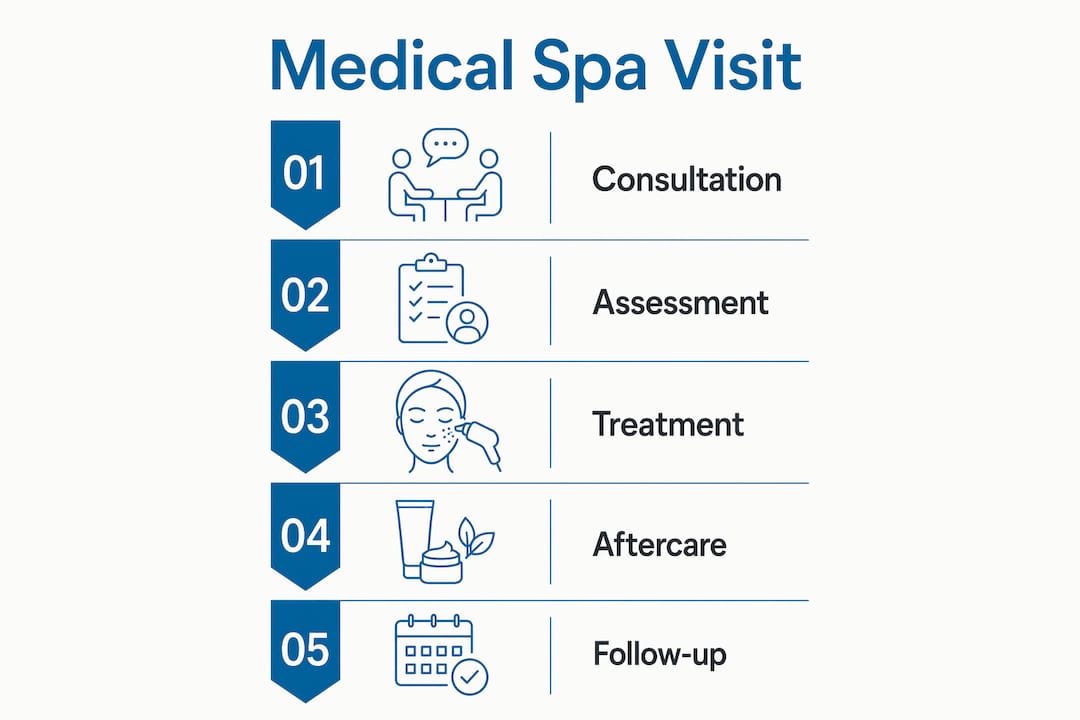
The consultation is the most important part of your first visit. Standard consultations last 30–60 minutes and cover your medical history, current medications, skin assessment, and personal goals. That length matters because a rushed intake is one of the clearest signs a facility is cutting corners.
Your provider will review contraindications before recommending any treatment. Providers assess conditions such as pregnancy, autoimmune disorders, and active skin infections that could make certain procedures unsafe. This step protects you, not just the clinic.
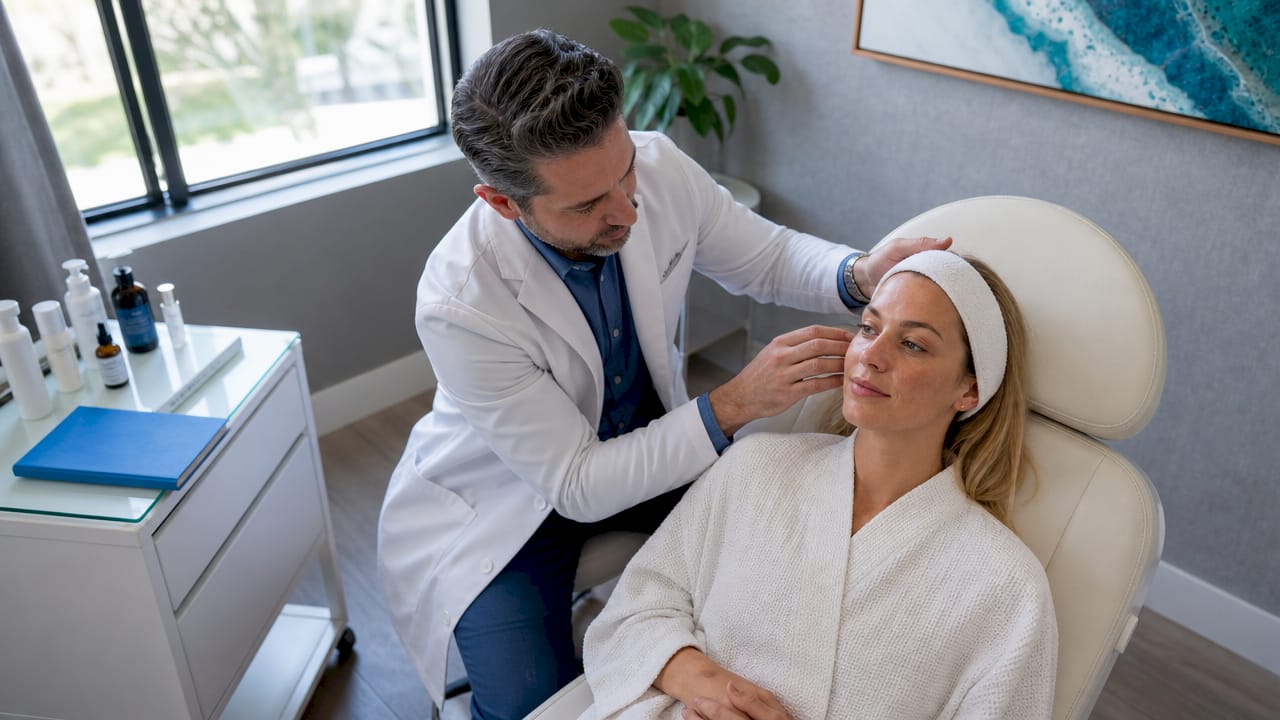
Goal-setting happens during this same session. A skilled provider will ask what bothers you most, look at the treatment area under good lighting, and explain what is and is not achievable. High-quality providers clarify risks and realistic results rather than promising perfection. That honesty is a trust signal, not a weakness.
Cost and treatment planning should also be addressed openly. You deserve a written breakdown of what each service costs before you agree to anything. A medical spa consultation should feel like a planning session, not a sales pitch.
Bring a list of your current medications and supplements.
Write down your top two or three skin concerns before you arrive.
Ask the provider to explain the treatment plan in plain language.
Request a written cost estimate before committing.
Confirm the name and credentials of the medical director overseeing your care.
Pro Tip: Take a photo of your skin or treatment area the morning of your consultation. Having a clear “before” reference helps your provider track progress and gives you a personal baseline.
Which treatments are commonly offered at a medical spa?
Medical spa treatments include neuromodulators like Botox and Dysport, dermal fillers, laser resurfacing, chemical peels, microneedling, and body contouring. All of these require administration by a licensed professional. That requirement is what separates a medical spa from a standard esthetics studio.
Here is what to expect during the most common procedures:
Neuromodulators (Botox, Dysport): A series of small injections into targeted muscles. Most clients feel a mild pinch. Results appear within 3–14 days and typically last 3–4 months.
Dermal fillers: Injected into areas like the lips, cheeks, or under-eye hollows to restore volume. Topical numbing cream is applied first. Mild swelling is normal for 24–48 hours after.
Laser resurfacing: A handheld device passes over the skin to stimulate collagen or reduce pigmentation. Sensation ranges from warm to mildly stinging depending on the laser type and setting.
Chemical peels: A solution is applied to the face and left for a set time before removal. Mild tingling is typical. Peeling occurs over the following 3–7 days.
Microneedling: Tiny needles create controlled micro-injuries to trigger skin renewal. Redness similar to a mild sunburn is expected for 24–48 hours.
Product authenticity is non-negotiable. Authentic neurotoxin and filler products carry lot numbers and tamper-proof packaging. Ask your provider to show you the vial before administration. Any hesitation to do so is a red flag worth taking seriously.
You can learn more about specific medical spa services and what each procedure involves before booking your first appointment.
Medical spa vs. day spa: how do you spot a safe, reputable provider?
A legitimate medical spa operates under a licensed physician who provides active medical oversight of all clinical protocols. That physician is called the medical director, and their credentials should be verifiable through your state medical board’s public portal. Checking that license before you book takes less than five minutes and is one of the most protective steps you can take.
Green flag | Red flag |
Medical director name and license posted publicly | No mention of a physician on the website |
Transparent, itemized pricing | Vague pricing or pressure to buy packages |
Consultation required before any treatment | Treatment offered without prior assessment |
Provider shows product vials on request | Refusal to confirm product brand or lot number |
Informed consent forms provided in writing | No paperwork before procedures |
Abnormally low prices for injectables often indicate counterfeit products or undertrained practitioners. Authentic Botox cannot be sold at unusually low per-unit prices without compromising product integrity. Price transparency is a trust signal, not just a convenience.
Pressure to immediately book or purchase packages during your first consultation is unethical and a clear warning sign. A reputable provider gives you time to think, compare, and decide without urgency. Your comfort and safety come before any sale.
Pro Tip: Before your appointment, search your state’s medical board website and enter the medical director’s name. A valid, active license should appear within seconds. If it does not, walk away.
You can also review a full medical spa safety checklist to verify every standard before your visit.
What to expect after your treatment
Recovery after most medical spa procedures is mild and short. Minor swelling or bruising is normal and typically resolves within 1–7 days. That timeline applies to most injectable treatments, including Botox and dermal fillers.
Standard aftercare instructions include:
Avoid rubbing or touching the injection site for at least 24 hours.
Skip intense exercise, saunas, and direct heat for the first 24 hours after injectables.
Stay out of direct sunlight and apply SPF 30 or higher after laser or peel treatments.
Do not apply active skincare ingredients like retinol or AHAs for 48–72 hours post-treatment.
Schedule a follow-up appointment two weeks after injectables to assess results and address any touch-up needs.
Results do not always appear immediately. Botox takes 3–14 days to reach full effect. Laser and peel results build over several weeks as collagen remodels. Knowing this timeline prevents the common mistake of judging a treatment too early.
Contact your provider right away if you experience severe pain, significant asymmetry, skin discoloration, or any sign of infection. These are not typical side effects and require prompt medical attention. A reputable clinic will have a clear protocol for handling complications and will not leave you without guidance.
How to prepare for your first medical spa visit
Preparation turns a good appointment into a great one. Arriving organized signals to your provider that you are a serious, informed client, and it helps them give you better recommendations.
Gather your full medical history, including any autoimmune conditions, allergies, or previous cosmetic treatments.
Write down every medication and supplement you take, including over-the-counter products and vitamins.
Verify the medical director’s license through your state medical board before booking.
Prepare two or three specific questions about your treatment, including expected downtime and realistic outcomes.
Take clear, well-lit photos of your skin or treatment area the day before your appointment.
Arrive with no makeup on the treatment area so your provider can assess your skin accurately.
Know your budget and ask for a written cost breakdown before agreeing to any procedure.
Understanding the key differences between a medical spa and a traditional spa also helps you set the right expectations before you walk through the door. Medical spa services require medical oversight, carry real clinical protocols, and deliver results that standard spa treatments cannot replicate.
Key Takeaways
A safe, effective medical spa visit depends on licensed oversight, transparent communication, and realistic expectations from the first consultation onward.
Point | Details |
Consultation is mandatory | Expect 30–60 minutes covering medical history, skin assessment, and treatment planning. |
Product authenticity matters | Ask to see product vials with lot numbers before any injectable is administered. |
Medical director oversight is required | Verify the physician’s license through your state medical board before booking. |
Low prices signal risk | Unusually cheap injectables often indicate counterfeit products or unqualified providers. |
Aftercare drives results | Follow post-treatment instructions closely and schedule a two-week follow-up after injectables. |
What I’ve learned from watching clients navigate their first med spa visit
The single biggest mistake I see is clients treating the consultation like a formality. They show up, nod along, and agree to a treatment plan they do not fully understand. The consultation is actually your best opportunity to vet the provider’s honesty. Ask about risks. Ask what happens if results are not what you expected. Ask who handles complications. A provider who answers those questions directly, without deflecting, is one worth trusting.
Cost pressure is the other pattern worth naming. When a clinic pushes you to buy a multi-session package on your first visit, that is not generosity. It is a sales tactic. Quality providers know that trust is built over time, not locked in on day one. The benefits of a certified medical spa show up in the long run, through consistent results and a provider who knows your skin.
My honest advice: prioritize transparency over price every time. A slightly higher cost at a clinic with a verified medical director and clear protocols is always the better investment. Your skin is not the place to find a bargain.
— Lux
Trusted medical spa treatments, backed by expert care at Luxveritae
Luxveritae brings together licensed professionals and a physician-supervised treatment environment to deliver results you can trust. Every client receives a thorough consultation before any procedure begins, with transparent pricing and a personalized plan built around your skin goals.
From signature BB Glow facials to specialized skin rejuvenation services, Luxveritae offers a full range of medical-grade treatments designed for real, visible results. The team is trained in paramedical techniques and committed to authentic outcomes that complement your natural features. Ready to take the first step? Book your consultation online and arrive knowing exactly what to expect.
FAQ
What is a medical spa?
A medical spa is a facility that combines non-surgical aesthetic treatments with licensed physician oversight. It differs from a traditional day spa by operating under a medical director who supervises all clinical procedures.
How long does a first medical spa appointment take?
The initial consultation typically lasts 30–60 minutes. If a treatment is performed the same day, plan for additional time depending on the procedure.
What questions should I ask at a medical spa?
Ask for the medical director’s name and license, a written cost breakdown, the brand and lot number of any injectable product, and the provider’s protocol for managing complications.
Is it safe to get Botox at a medical spa?
Botox administered by a licensed professional in a physician-supervised facility is considered safe. The key is verifying provider credentials and confirming the product is authentic before treatment begins.
How do I know if a medical spa is reputable?
A reputable medical spa posts its medical director’s credentials publicly, requires a consultation before treatment, provides informed consent forms, and does not pressure clients to purchase packages on the first visit.
Recommended
Comments