


How to Compare Medical Spa Treatment Menus Effectively


Medical spa treatment menus are structured catalogs of clinical and wellness services designed to address specific skin concerns through non-invasive or minimally invasive procedures. Knowing how to compare medical spa treatment menus is the difference between spending money wisely and booking the wrong treatment for your skin. The best med spa menus organize services into clear categories, list pricing transparently, and offer consultations before any procedure begins. Treatments like Botox, dermal fillers, and microneedling each target different concerns, and no single menu works for every client.
What are the main categories of medical spa treatments?
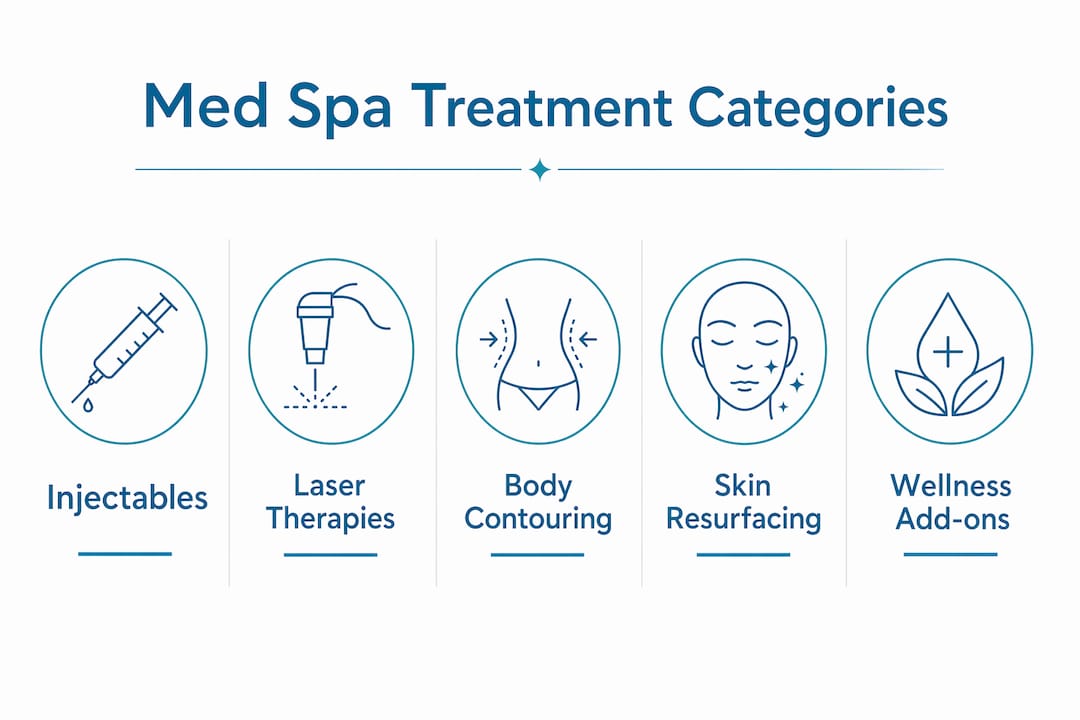
Medical spa services fall into five core categories. Understanding each one is the foundation for any meaningful medical spa services comparison.
1. Injectables Neurotoxins like Botox and dermal fillers like Juvederm and Restylane dominate this category. Botox alone accounts for over 50% of the non-surgical aesthetic market, with more than 9 million treatments performed annually. That volume reflects how widely trusted and repeatable injectable treatments have become.

2. Laser and light therapies This group includes IPL photofacials, laser resurfacing, and laser hair removal. These treatments target pigmentation, redness, and surface texture. They require a series of sessions and carry more downtime than injectables.
3. Body contouring Procedures like CoolSculpting and radiofrequency treatments reduce fat and tighten skin without surgery. Results build gradually over several weeks.
4. Skin resurfacing Chemical peels, microneedling, and Morpheus8 RF microneedling fall here. These treatments stimulate collagen production and improve texture, tone, and firmness.
5. Wellness add-ons IV therapy, lymphatic massage, and medical-grade facials round out most menus. These support skin health from the inside out and pair well with clinical treatments.
Med spa menus commonly differentiate between one-time procedures and ongoing treatment programs. A single Botox session is a one-time service. A collagen-building Sculptra protocol, by contrast, spans multiple visits over months. Knowing which category a treatment falls into helps you plan your time and budget realistically.
Pro Tip: When reviewing a menu, look for a “signature” or “best seller” label. Spas that tag their most popular treatments make it easier to identify what their providers do most confidently.
How to evaluate treatment menus based on your skin type and goals
Not every treatment on a menu is right for your skin. Matching spa treatment options to your specific concerns is the most important step in any comparison.
Start with a professional consultation. Consultations align your skin anatomy with your goals, steering you away from procedures that are too aggressive or simply ineffective for your condition. A good provider will not just list what they offer. They will tell you what you do not need.
Here is how common skin concerns map to treatment categories:
Fine lines and dynamic wrinkles respond best to neurotoxins like Botox or Dysport. These relax the muscles that cause expression lines.
Volume loss in cheeks or lips calls for hyaluronic acid fillers like Juvederm Voluma or Restylane Lyft. Sculptra works for deeper, longer-term volume restoration.
Uneven texture and enlarged pores improve with microneedling, chemical peels, or Morpheus8 RF microneedling. These stimulate collagen and resurface the outer skin layer.
Skin laxity and sagging responds to radiofrequency treatments and ultrasound-based procedures like Ultherapy.
Hyperpigmentation and sun damage clears with IPL photofacials or laser treatments targeting melanin.
Sensitive skin types need extra attention when reviewing a menu. Aggressive peels or high-energy laser treatments can cause irritation or post-inflammatory hyperpigmentation in reactive skin. A skin types treatment checklist helps you cross-reference your skin profile with what a menu offers before you book.
Treatment tiers and add-ons also matter. Many spas offer a base treatment with optional enhancements. A standard HydraFacial, for example, can be upgraded with a booster serum or LED light therapy. These add-ons let you customize results without committing to a more intensive procedure.
Pro Tip: Ask the provider which treatment they would choose for your concern if budget were not a factor. Their answer reveals both their expertise and their honest assessment of what actually works.
What do popular medical spa treatments typically cost?
Spa treatment pricing comparison is one of the most practical tools for evaluating a menu. Prices vary by region, provider credentials, and the complexity of the procedure.
Treatment | Pricing Model | 2026 National Average |
Botox | Per unit | |
Sculptra | Per vial | $900–$1,500 per vial |
Morpheus8 RF microneedling | Per session | $700–$1,500 per session |
Dermal fillers (Juvederm, Restylane) | Per syringe | $600–$1,200 per syringe |
Chemical peel | Per session | $150–$600 per session |
Pricing models differ across treatment types, and that difference matters. Botox is priced per unit, so a forehead treatment using 20 units at $15 per unit costs $300. Sculptra is priced per vial, and most protocols require 2–4 vials across multiple sessions. Morpheus8 is priced per session, with most clients needing 3 sessions for full results.
Transparent per-unit and per-session pricing builds client trust and helps you compare value across providers. A spa that lists only a vague “starting at” price makes accurate comparison impossible.
Regional pricing also shifts these numbers significantly. A Botox treatment in Manhattan or Beverly Hills will run closer to $20 per unit. The same treatment in a mid-sized city may cost $12 per unit. Provider credentials affect price too. A board-certified dermatologist or plastic surgeon typically charges more than a nurse injector, and that premium often reflects deeper anatomical knowledge.
What questions should you ask when comparing med spa menus?
Comparing service menus goes beyond reading a list of treatments. The questions you ask during a consultation reveal more than the menu itself ever will.
Questions that matter:
Who performs the treatments? Ask for the provider’s credentials and whether a physician supervises the practice.
How many times has this provider performed the specific treatment you want?
Does the menu include a consultation before any procedure, or does booking go straight to treatment?
Are prices listed per unit, per session, or as a package? Ask for a written breakdown.
What is the cancellation and refund policy for prepaid packages?
Menus with clearly labeled categories, transparent pricing, and consultation availability signal a well-run practice. Menus that bury pricing or push packages before a consultation are a warning sign.
“Misaligned treatment choices waste money and can cause dissatisfaction. Provider expertise matters more than the brand name alone.” — SpaLens, 2026
Common mistakes clients make when comparing menus include choosing a treatment because it is trending rather than because it addresses their actual concern. Morpheus8 is one of the best medical spa treatments for skin laxity, but it does nothing for dynamic wrinkles. Booking it for the wrong reason produces disappointing results and wastes hundreds of dollars.
Aggressive upsells are another red flag. A provider who recommends three additional treatments before completing your initial consultation is prioritizing revenue over results. A certified medical spa will build a treatment plan around your goals, not their sales targets.
Key Takeaways
Comparing medical spa treatment menus effectively requires matching treatment categories, pricing structures, and provider credentials to your specific skin concerns and goals.
Point | Details |
Know the five core categories | Injectables, laser therapies, body contouring, skin resurfacing, and wellness add-ons each address different concerns. |
Start with a consultation | A professional skin analysis prevents mismatched treatments and wasted spending. |
Understand pricing models | Botox is priced per unit, Sculptra per vial, and Morpheus8 per session. Compare like for like. |
Check provider credentials | Board-certified providers with supervised practices deliver safer, more consistent results. |
Watch for red flags | Vague pricing, no consultation requirement, and aggressive upsells signal a poorly run practice. |
What I have learned from comparing treatment menus with clients
Most people walk into a med spa with a treatment name in mind, not a skin goal. They have seen Morpheus8 on social media or heard about Sculptra from a friend, and they want that specific procedure. My experience tells me this is the wrong starting point. The best outcomes come from starting with the concern, not the treatment.
The menus that impress me most are not the longest ones. A spa with 40 treatments listed and no consultation requirement worries me more than a focused menu of 12 procedures backed by a thorough intake process. Depth of expertise in fewer treatments beats surface-level coverage of everything.
I have also noticed that clients who ask about the provider’s training and case volume get better results. A nurse injector who has performed 2,000 Botox treatments will outperform a physician who does 10 per month. The credential matters, but the volume and focus matter more.
One thing most articles skip: ask the spa how they handle complications. Every reputable provider has a protocol for bruising, asymmetry, or unexpected reactions. If they look uncomfortable answering that question, walk out. The non-surgical treatment benefits are real, but only when the provider knows how to manage the full range of outcomes.
— Lux
Personalized treatments at Luxveritae, built around your skin
Luxveritae takes a different approach to skin rejuvenation. Every client starts with a detailed consultation that maps their skin concerns to specific treatments, not the other way around.
From signature BB Glow facials to paramedical techniques that blend results with your natural features, the full treatment menu covers a curated range of non-invasive options for skin improvement and rejuvenation. If you are ready to invest in your skin with a plan built specifically for you, explore the treatment packages or book a consultation directly online. Luxveritae’s approach is personal, precise, and grounded in real results.
FAQ
What is a medical spa treatment menu?
A medical spa treatment menu is a structured list of clinical and aesthetic services offered by a med spa, organized by category, pricing, and treatment type. It typically includes injectables, laser therapies, skin resurfacing, body contouring, and wellness services.
How do I compare medical spa menus across different providers?
Compare menus by checking treatment categories, pricing models (per unit, per session, or per vial), provider credentials, and whether a consultation is required before booking. Transparent pricing and clear categories are the strongest indicators of a trustworthy practice.
What is the most popular medical spa treatment?
Botox is the most popular non-surgical medical aesthetic procedure globally, representing over 50% of the market with more than 9 million treatments performed annually.
How much does a typical medical spa treatment cost?
Costs vary widely by treatment type and region. Botox averages $10–$20 per unit, Sculptra runs $900–$1,500 per vial, and Morpheus8 RF microneedling costs $700–$1,500 per session at the 2026 national average.
What should I look for in a medical spa consultation?
A good medical spa consultation includes a professional skin analysis, a review of your goals and medical history, and a personalized treatment plan. Providers who steer you away from treatments that do not fit your skin type are the ones worth trusting.
Recommended
Comments