


The Role of Paramedical Technician in Skincare
- L Guevara
- 3 days ago
- 8 min read

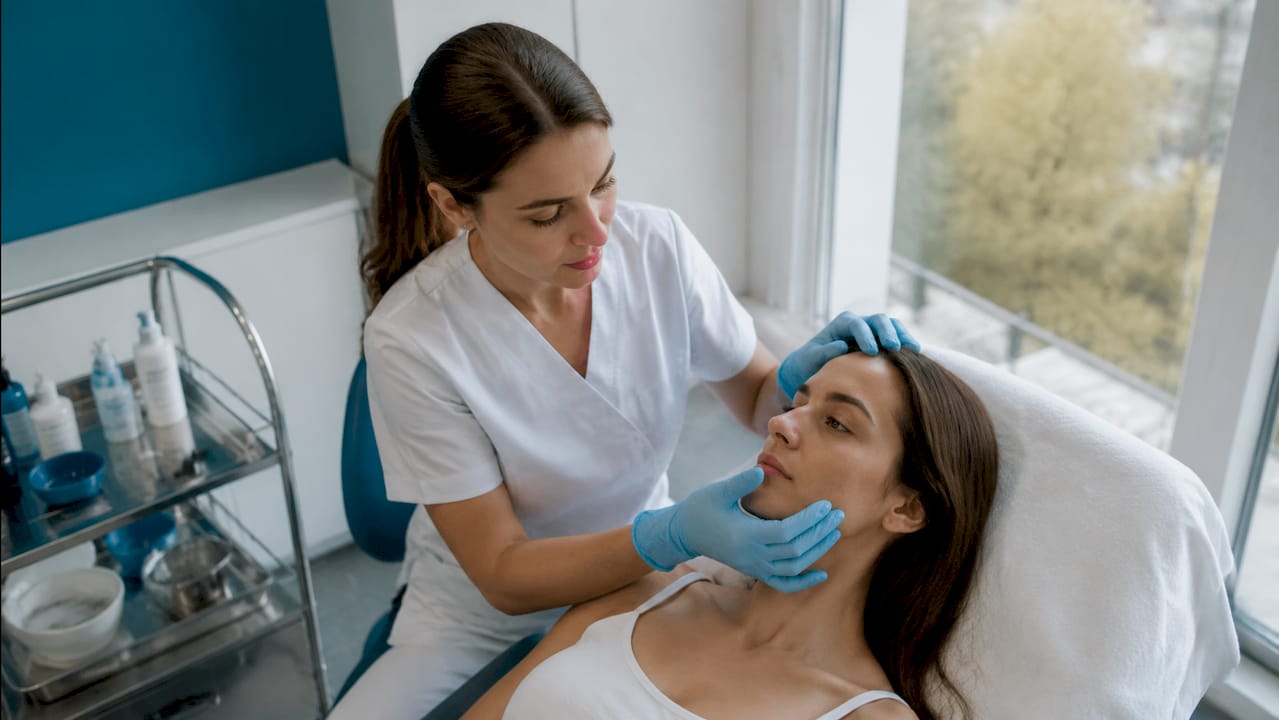
Paramedical technicians in skincare are licensed estheticians with advanced clinical training who perform medically supervised skin treatments in settings like dermatology clinics, plastic surgery offices, and medical spas. The industry term for this role is “paramedical esthetician,” though “paramedical technician” is widely used to describe the same clinical function. These professionals go far beyond facials and relaxation services. They manage skin recovery after surgery, treat scarring with micropigmentation, and operate medical-grade devices under physician oversight. Understanding the role of paramedical technician in skincare helps you make smarter decisions about which treatments your skin actually needs and who is qualified to deliver them.
What specialized training do paramedical technicians require?
Paramedical technicians build on a standard esthetician license with advanced clinical coursework that covers anatomy, pharmacology, and sterile protocols. That foundation separates them from spa-trained estheticians who focus primarily on product application and relaxation techniques. The clinical layer is not optional. Without it, a technician cannot safely operate the equipment or manage the contraindications involved in medical-grade procedures.
Training programs typically add 100–300 extra hours beyond basic esthetician certification, focused entirely on clinical procedures. Many programs span several weeks to months, and some require a healthcare background depending on the services offered. That time investment reflects the complexity of the work, not a credentialing formality.
The core skill set paramedical technicians develop includes:
Laser therapy and IPL operation: Understanding wavelengths, skin phototypes, and contraindications for devices like fractional CO2 lasers and intense pulsed light systems
Radiofrequency microneedling: Combining mechanical skin puncture with thermal energy to stimulate collagen production in deeper skin layers
Advanced chemical peels: Applying medical-strength acids such as TCA and phenol under physician protocols, not the mild peels available in standard spas
Micropigmentation and paramedical tattooing: Implanting custom pigments to camouflage scars, stretch marks, and hypopigmented areas
Medical terminology and contraindication screening: Identifying when a treatment is unsafe due to medications, skin conditions, or recent procedures
Sterile technique and infection control: Maintaining clinical hygiene standards required in medical environments
Advanced skin therapists in clinical roles often need 1–2 years of hands-on clinical experience to reach full procedural competence. That experience gap explains why a newly certified paramedical technician and a seasoned one produce noticeably different outcomes.
Pro Tip: When evaluating a paramedical technician, ask specifically about their clinical hours and which devices they are certified to operate. A certificate alone does not confirm hands-on competency.
How do paramedical technicians differ from traditional estheticians?
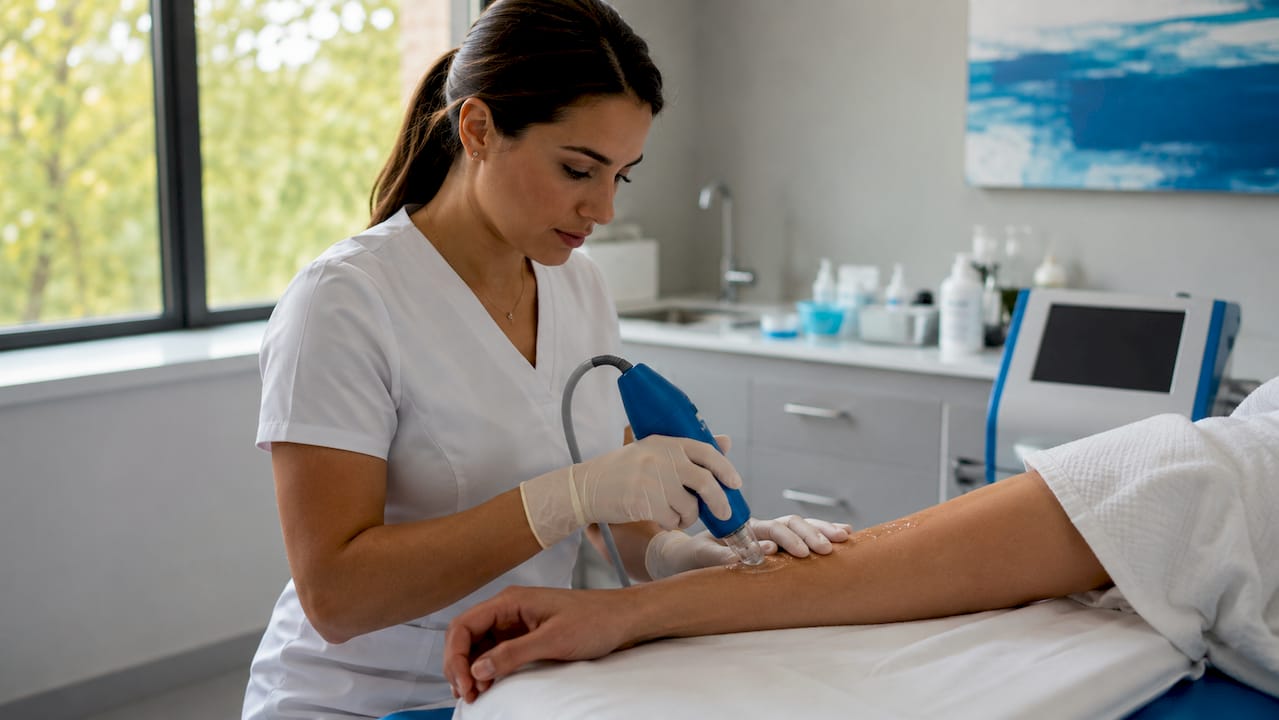
Medical esthetics represents a shift from spa treatments toward evidence-based, outcome-focused therapies that require physician oversight and clinical safety protocols. That shift defines the core difference between a paramedical technician and a traditional esthetician. Both hold esthetician licenses. The training, environment, and goals diverge sharply after that.
Traditional estheticians work in spas and salons, focusing on skin maintenance, relaxation, and cosmetic improvement. Paramedical technicians work in clinical settings, focusing on corrective and therapeutic outcomes. The table below maps the key differences clearly.
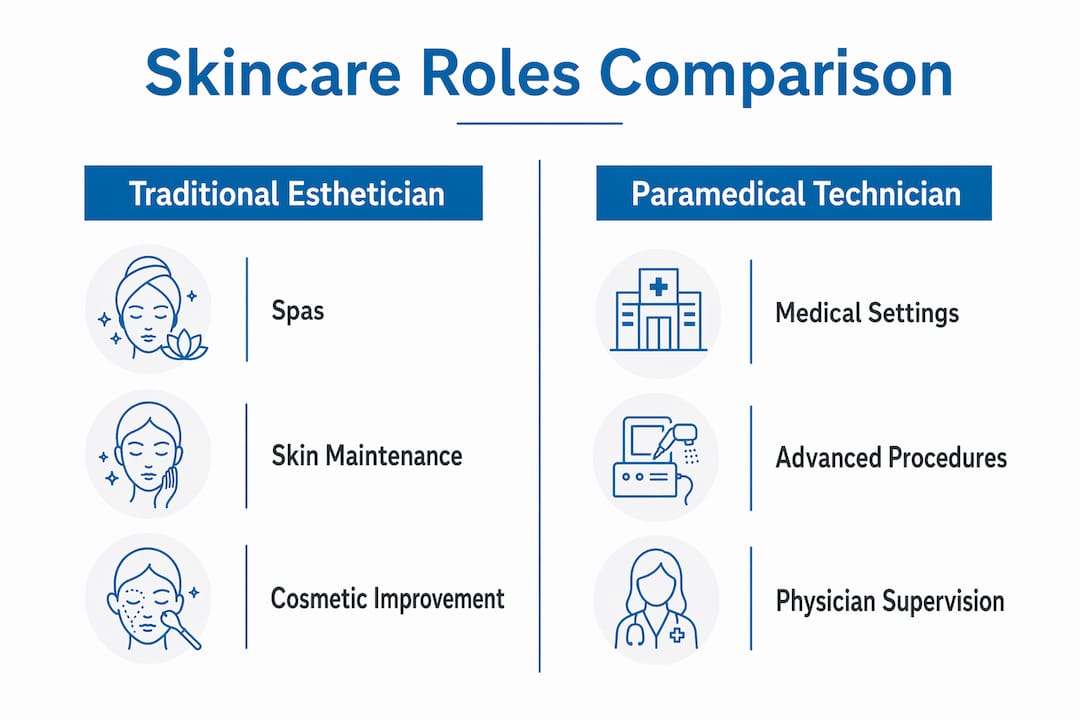
Category | Traditional esthetician | Paramedical technician |
Work environment | Day spas, salons, wellness centers | Dermatology clinics, plastic surgery offices, medical spas |
Primary focus | Relaxation, skin maintenance, cosmetic enhancement | Corrective treatment, surgical recovery, clinical outcomes |
Supervision | Independent or spa management | Physician or medical director oversight |
Products and equipment | Cosmetic-grade products, basic devices | Medical-grade products, lasers, IPL, radiofrequency systems |
Scope of practice | Facials, waxing, mild peels, basic extractions | Chemical peels, microneedling, micropigmentation, scar camouflage |
Training beyond licensure | Continuing education in product lines | Advanced clinical certifications, anatomy, pharmacology |
The supervision requirement is the most consequential difference. Paramedical estheticians work under physician supervision, which means a licensed medical professional is accountable for the treatment plan. That accountability structure protects the client in ways a spa environment simply cannot replicate.
Traditional estheticians are not less skilled at what they do. They are trained for a different purpose. Asking a spa esthetician to manage post-surgical skin recovery is like asking a general practitioner to perform reconstructive surgery. The license exists, but the training does not.
What are common paramedical skincare treatments?
Paramedical skincare techniques cover a wide range of corrective and restorative procedures. Each treatment targets a specific skin concern with clinical tools and protocols that go beyond what cosmetic-grade services can achieve.
Scar and stretch mark camouflage
Paramedical skin camouflage uses custom pigments matched to the client’s biological profile, deposited through microneedling to mask scars and stretch marks naturally. Technicians blend pigments drop-by-drop, accounting for blood flow, undertones, and how living tissue absorbs color over time. This level of customization requires both clinical precision and artistic judgment. A poorly matched pigment looks unnatural within months as the skin changes.
Micropigmentation and paramedical tattooing
Paramedical tattooing for scar camouflage implants custom color into hypopigmented or scarred skin to reduce visual contrast with surrounding healthy tissue. The treatment also stimulates collagen production and improves skin texture over multiple sessions. Sterile equipment and precise technique are non-negotiable. This is not decorative tattooing. It is a clinical procedure with measurable outcomes. You can explore how cosmetic skin artistry intersects with these techniques for a broader picture.
Laser therapy and radiofrequency microneedling
These two treatments address skin aging, texture irregularities, and pigmentation concerns at a depth that topical products cannot reach. Laser therapy targets specific chromophores in the skin to break down pigment or stimulate collagen. Radiofrequency microneedling combines controlled injury with thermal energy to remodel the dermis. Both require advanced procedural training and a thorough understanding of skin phototypes to avoid burns or post-inflammatory hyperpigmentation.
Pre- and post-surgical skin protocols
Paramedical technicians prepare skin before surgical procedures to reduce infection risk and improve healing conditions. After surgery, they manage wound care, reduce inflammation, and monitor for complications. This pre- and post-operative role is one of the most clinically significant functions they perform. Without proper skin preparation and aftercare, even a technically successful surgery can produce poor cosmetic outcomes.
Pro Tip: If you are planning a surgical procedure, ask your surgeon whether a paramedical esthetician is part of the care team. Pre-operative skin conditioning can meaningfully reduce your recovery time.
The table below summarizes common treatments and their primary applications:
Treatment | Primary application |
Laser therapy | Pigmentation, vascular lesions, skin resurfacing |
Radiofrequency microneedling | Collagen stimulation, skin tightening, scar reduction |
Advanced chemical peels | Acne scarring, hyperpigmentation, texture correction |
Paramedical tattooing | Scar camouflage, areola restoration, vitiligo coverage |
Skin camouflage with pigments | Stretch marks, burn scars, surgical scars |
Pre/post-surgical protocols | Infection prevention, healing optimization, inflammation control |
How do paramedical technicians collaborate with medical teams?
Paramedical estheticians work within multidisciplinary teams that include nurses, surgeons, and dermatologists to manage pre- and post-operative skin care. That collaboration is not informal. It follows clinical communication protocols where the technician reports treatment progress, flags contraindications, and adjusts protocols based on physician guidance. Effective teamwork in this context directly affects patient safety and skin outcomes.
The collaboration responsibilities of a paramedical technician include:
Contraindication reporting: Identifying skin reactions, medication interactions, or healing complications and communicating them to the supervising physician before proceeding
Pre-procedure skin assessment: Evaluating skin condition, phototype, and health history to inform the treatment plan
Sterile field maintenance: Upholding infection control standards consistent with clinical environments, not spa-level hygiene
Progress monitoring: Tracking how skin responds between sessions and adjusting treatment intensity or frequency accordingly
Post-procedure documentation: Recording treatment details, products used, and client responses for the medical record
This level of coordination requires comfort working within healthcare teams and the ability to communicate clinical observations clearly. A paramedical technician who cannot articulate what they observed during a treatment is a liability in a medical setting. The clinical communication skill is as important as the technical one. For a deeper look at how med spa safety standards shape these environments, that context is worth understanding before booking any advanced treatment.
Key Takeaways
Paramedical technicians are the clinical bridge between medical procedures and optimal skin recovery, requiring advanced training, physician oversight, and specialized techniques that traditional estheticians are not trained to perform.
Point | Details |
Clinical training is non-negotiable | Programs add 100–300 hours beyond basic licensure, covering anatomy, pharmacology, and sterile protocols. |
Scope exceeds traditional esthetics | Paramedical technicians operate lasers, perform micropigmentation, and manage surgical skin recovery. |
Physician oversight defines the role | All treatments occur under medical supervision, creating accountability that spa settings cannot provide. |
Collaboration drives outcomes | Effective communication with surgeons and dermatologists is as critical as technical skill. |
Customization is the standard | Treatments like scar camouflage require drop-by-drop pigment matching tailored to each client’s biology. |
Why the importance of paramedical technicians is still underestimated
Most people walk into a medical spa without knowing whether the person treating them is a traditional esthetician or a paramedical technician. That distinction matters more than the equipment in the room. I have seen clients come in after procedures performed by under-qualified technicians, presenting with burns, uneven pigmentation, and infections that set their skin back months. The device does not cause the damage. The gap between training and procedure does.
The misconception I encounter most often is that a paramedical technician is just a fancier esthetician with more expensive tools. The reality is that the clinical knowledge changes the entire decision-making process during a treatment. Recognizing a Fitzpatrick Type IV skin reacting poorly to a laser setting and adjusting in real time is not a skill that comes from product training. It comes from anatomy coursework, supervised clinical hours, and the kind of experience that only medical environments build.
My honest advice: before booking any non-surgical skin treatment that involves a device or pigment, verify the technician’s clinical certifications and ask who supervises their work. A confident answer with specific credentials is what you are looking for. Vague answers about “years of experience” without clinical backing are a warning sign. The field is evolving fast, and the technicians who invest in ongoing education are the ones producing results that last.
— Lux
Experience advanced paramedical skincare at Luxveritae
Luxveritae brings certified paramedical skincare techniques into a personalized treatment environment designed around your skin’s actual needs. Every service is built on clinical training, not guesswork, and every treatment plan is tailored to your skin type, goals, and health history.

Whether you are exploring under-eye pigmentation correction or want to understand which advanced procedure fits your skin concerns, Luxveritae’s team is ready to walk you through your options. Booking is straightforward. You can view all available treatments and schedule your consultation directly online. Your skin deserves care from someone who knows exactly what they are doing.
FAQ
What is the role of a paramedical technician in skincare?
A paramedical technician performs clinical skin treatments such as laser therapy, micropigmentation, and post-surgical skin care under physician supervision. Their focus is corrective and therapeutic outcomes, not relaxation or cosmetic maintenance.
How does a paramedical esthetician differ from a regular esthetician?
A paramedical esthetician holds advanced clinical certifications beyond a standard esthetician license and works in medical environments under physician oversight. Traditional estheticians work in spas and focus on skin maintenance rather than clinical correction.
What treatments do paramedical technicians perform?
Common paramedical skincare treatments include radiofrequency microneedling, advanced chemical peels, scar camouflage with custom pigments, paramedical tattooing, and pre- and post-surgical skin protocols.
How do paramedical technicians help with skin recovery?
They prepare skin before procedures to reduce infection risk and manage healing after surgery by monitoring inflammation, adjusting protocols, and communicating progress to the supervising medical team.
Do paramedical technicians need ongoing education?
Ongoing education is required because devices, protocols, and clinical standards evolve continuously. Technicians who do not update their training risk applying outdated techniques to increasingly advanced procedures.
Recommended
Comments