


How to Prep Skin for Non-Surgical Treatments


Prepping skin for non-surgical treatments is defined as stabilizing the skin barrier, pausing active irritants, and optimizing hydration before any energy-based or injectable aesthetic procedure. The goal is not just comfort. Calm, hydrated skin recovers faster and more predictably than compromised skin, which means better results with fewer complications. Whether you are scheduling laser resurfacing, microneedling, injectables, or a BB Glow session, the preparation protocol follows the same core logic: protect the barrier, reduce inflammation risk, and arrive at your appointment with skin that is ready to respond.
What are the essential prerequisites for prepping skin before treatment?
Skin preparation, known clinically as pre-treatment priming, starts with knowing your skin type. Fitzpatrick skin type assessment directly controls which laser settings are safe for you and what risks you carry for post-inflammatory hyperpigmentation. Darker skin tones require adjusted energy levels and longer prep windows. Skipping this step is the single most common reason people experience uneven outcomes after laser procedures.
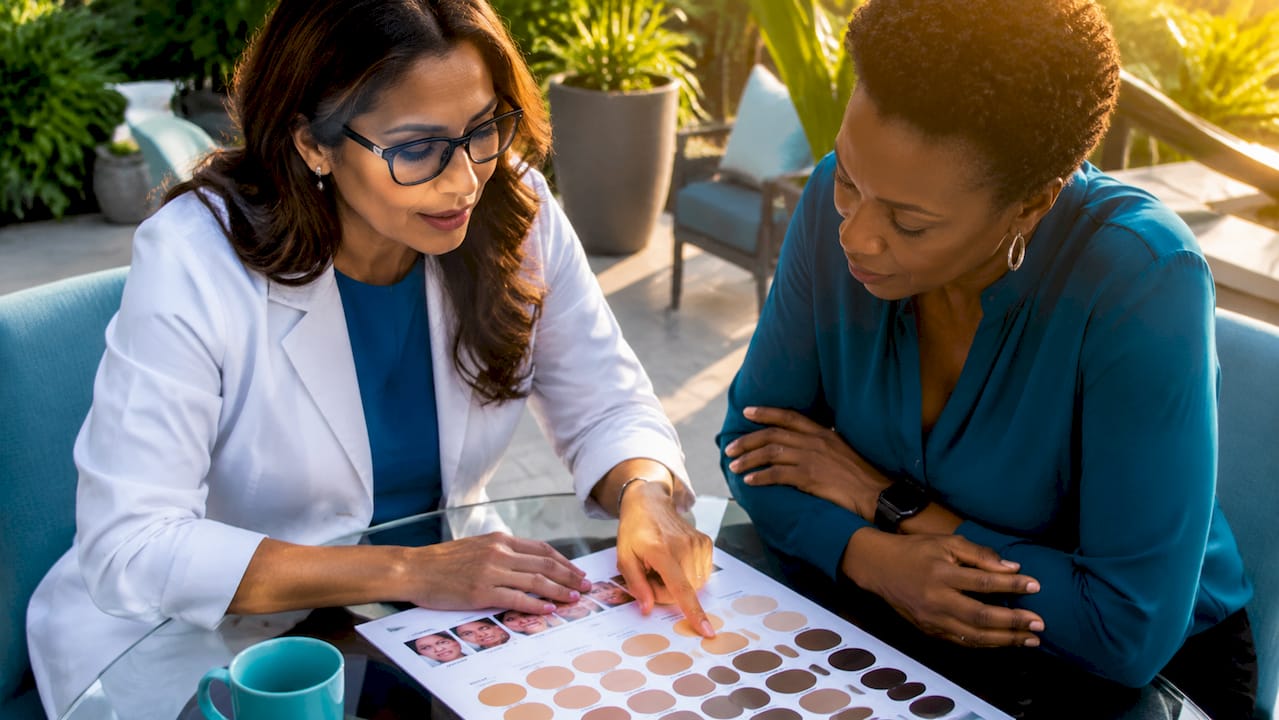
Medical history review is equally non-negotiable. Isotretinoin use within the past year is a hard contraindication for laser resurfacing because it dramatically raises the risk of severe scarring. Autoimmune conditions, active cold sores, and blood-thinning medications all affect treatment safety. Your provider needs this information before any procedure begins, not after.
Once your baseline is established, gather the right products. The core toolkit for skin prep for beauty procedures includes:
A gentle, fragrance-free cleanser (such as CeraVe Hydrating Cleanser or La Roche-Posay Toleriane)
A barrier-supporting moisturizer with ceramides or hyaluronic acid
A broad-spectrum SPF 30 or higher sunscreen, worn daily without exception
An antioxidant serum such as vitamin C to reduce oxidative stress in the weeks before treatment
No retinoids, glycolic acid, salicylic acid, or physical scrubs during the final prep window
Pro Tip: Check your full skincare shelf, not just your daily routine. Toners, eye creams, and spot treatments often contain hidden acids or retinol that can compromise your skin barrier right before treatment.
Understanding non-surgical treatment benefits helps you set realistic expectations and commit to the prep process with confidence.
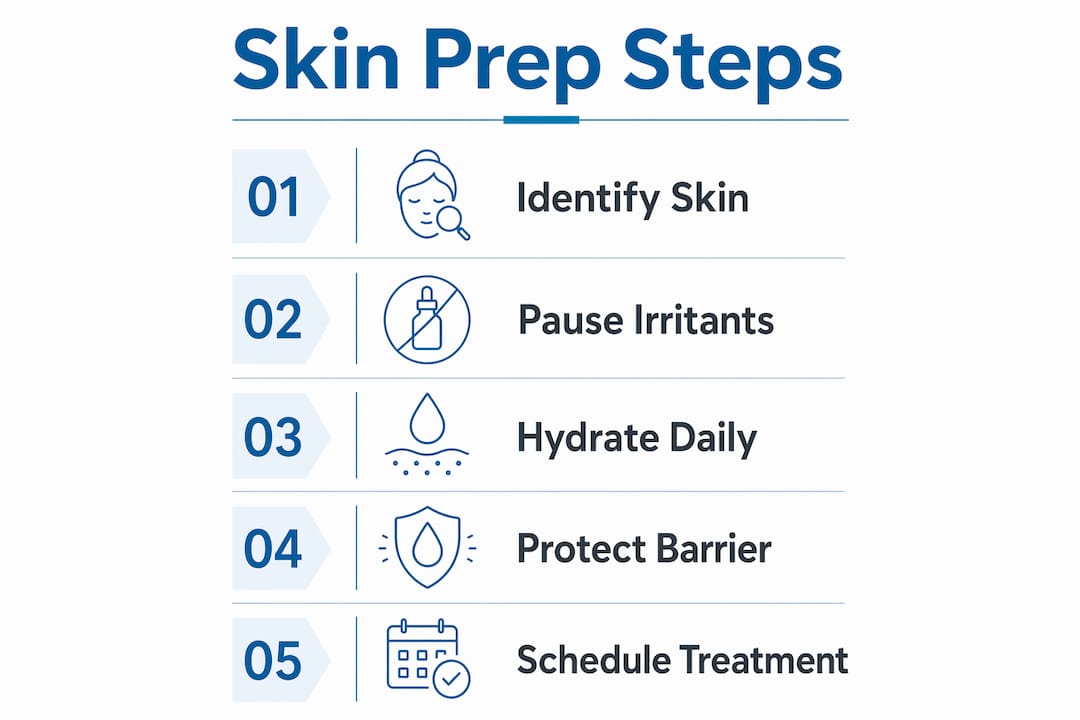
Step-by-step pre-treatment skincare regimen
A structured timeline makes the difference between showing up prepared and showing up reactive. Start your regimen 2–4 weeks before your scheduled procedure.
Weeks 2–4 before treatment: Shift your routine to gentle, barrier-focused products. Use a mild cleanser twice daily. Apply a ceramide-rich moisturizer morning and night. Add a vitamin C serum in the morning to build antioxidant reserves. Balanced dermo-cosmetic routines at this stage directly reduce post-procedure inflammation.
Daily throughout prep: Apply broad-spectrum SPF every morning, even on cloudy days. Sun exposure during prep raises melanin activity, which competes with laser energy and causes uneven results. This step is not optional.
Avoid tanning completely: Active tanning, whether from sun, tanning beds, or spray tan, must stop well before your appointment. Pigment in tanned skin absorbs laser energy unpredictably. Wait until the tan has fully faded before proceeding.
48 hours before treatment: Stop retinoids, glycolic acid, and exfoliants completely. These ingredients thin and sensitize the skin surface. Continuing them into the final 48 hours increases the chance of irritation, redness, and prolonged healing.
Support your microbiome: Avoid over-exfoliation and harsh cleansers throughout the prep period. Microbiome stability before energy-based treatments improves recovery outcomes. Stripping the skin of its natural bacterial balance leaves it more vulnerable to inflammation.
If prescribed antivirals: Prophylactic antiviral medications are commonly prescribed before laser resurfacing to prevent herpes simplex outbreaks. Take them starting the day before or the morning of your procedure, exactly as directed.
Day of treatment: Arrive with completely clean skin. Remove all makeup, perfume, and deodorant before your appointment. No topical products should be on the treatment area. Chemical residues interfere with device delivery and raise the risk of adverse reactions.
Pro Tip: Preparing skin for a BB Glow session follows many of the same rules. Read the BB Glow prep guide at Luxveritae for treatment-specific details.
How to heal skin after laser tattoo removal and resurfacing
Post-treatment care is where many people lose the gains they worked hard to achieve in prep. The skin after laser resurfacing or tattoo removal is an open, vulnerable surface. Treat it accordingly.
Keep the area clean and hydrated. Use a mild, fragrance-free soap and apply a healing ointment such as Aquaphor or a provider-recommended barrier cream. Hydration and gentle cleansing accelerate recovery and reduce the risk of scarring.
Do not pick, scratch, or pop blisters. Disrupting the healing surface introduces bacteria and causes permanent scarring. Let the skin shed naturally.
Limit physical activity for 2–7 days. Sweating raises skin temperature and introduces bacteria to the treated area. High-intensity workouts, saunas, and hot showers are off the table during early recovery.
Wear SPF every day without fail. Post-treatment skin is highly susceptible to UV-triggered pigment changes. A broad-spectrum SPF 50 applied daily protects the new skin forming underneath.
Understand the healing timeline. Surface closure happens within days. Deeper skin layers take 6–8 weeks to fully recover after laser tattoo removal. Patience during this window determines your final result.
Watch for warning signs. Increasing redness, swelling, warmth, or discharge after the first 48 hours signals a possible infection. Contact your provider immediately. Do not wait to see if it resolves on its own.
“The skin’s recovery phase is not passive. What you apply, avoid, and protect against in the first two weeks after treatment shapes the outcome more than the procedure itself.”
Common mistakes that undermine skin prep and recovery
Most treatment complications trace back to a small set of avoidable errors. Knowing them in advance puts you ahead of the majority of people who walk into a procedure underprepared.
Using retinoids or acids too close to treatment day. This is the most common prep mistake. Sensitized skin reacts more aggressively to laser energy or needles, extending recovery time significantly.
Failing to disclose full medical history. Not mentioning isotretinoin use, autoimmune conditions, or active skin infections puts you at serious risk. Providers cannot protect you from risks they do not know about.
Tanning before or after treatment. Tanning before a laser procedure causes uneven energy absorption. Tanning after treatment triggers hyperpigmentation on healing skin. Both outcomes are difficult to reverse.
Wearing makeup or scented products on treatment day. Foundations, primers, and perfumes leave chemical residues that interfere with treatment devices. Arrive with bare, clean skin.
Ignoring early signs of adverse reactions. Mild redness and swelling are normal. Spreading redness, blistering beyond the treatment zone, or fever are not. Delayed response to these signs increases complication severity.
Using a one-size-fits-all prep routine. Sensitive skin, rosacea-prone skin, and darker skin tones each need adjusted protocols. A skin types treatment checklist helps you tailor your routine to your actual skin, not a generic template.
Pro Tip: If you have naturally reactive or sensitive skin, consider incorporating evidence-based natural skincare products during your prep window. Formulas built around microbiome science tend to support barrier recovery without triggering inflammation.
Key takeaways
Proper skin preparation is the single most controllable factor in how well your non-surgical treatment performs and how quickly you recover.
Point | Details |
Start prep 2–4 weeks early | Begin barrier-focused cleansing, moisturizing, and daily SPF well before your procedure date. |
Pause active ingredients | Stop retinoids, glycolic acid, and exfoliants at least 48 hours before treatment to prevent irritation. |
Disclose full medical history | Isotretinoin use and autoimmune conditions are contraindications that must be shared with your provider. |
Post-treatment hydration matters | Clean gently, apply healing ointment, and avoid picking to support recovery over 6–8 weeks. |
Sun protection is non-negotiable | Wear broad-spectrum SPF daily before and after every non-surgical procedure to prevent pigment complications. |
What I have learned about skin barrier stability and treatment outcomes
Clients who arrive with a compromised skin barrier almost always have a harder recovery. I have seen this pattern consistently. The skin that responds best to controlled injury, whether from a laser, microneedling, or a paramedical tattoo technique, is skin that was calm, hydrated, and intact going in.
The science backs this up. Barrier stability and microbiome balance before energy-based treatments directly improve recovery speed and reduce the chance of post-inflammatory hyperpigmentation. But the clinical data only tells part of the story. The other part is lifestyle. Clients who sleep well, drink water, and avoid alcohol in the week before treatment heal noticeably faster than those who do not.
What I tell every person who books with Luxveritae is this: the procedure is the easy part. The prep and the aftercare are where your results are actually built. Providers can customize protocols, adjust settings, and recommend the right products. But the daily commitment to protecting your skin barrier is yours alone.
If you are unsure where to start, a cosmetic skin assessment gives you a personalized map. It removes the guesswork and replaces it with a protocol built around your actual skin type, history, and goals.
— Lux
Ready to prepare your skin with expert guidance?
At Luxveritae, every treatment begins with a thorough skin assessment and a personalized prep plan. The team at Lux Veritae Skin Spa specializes in non-surgical procedures including BB Glow, paramedical tattooing, and skin rejuvenation services, each designed around your skin type and lifestyle. You do not have to figure out the prep protocol alone.
Explore treatment packages at Luxveritae to find the right service for your goals. When you are ready to book, the online booking page makes it simple to schedule your consultation and start your skin preparation journey with professional support from day one.
FAQ
How far in advance should I start prepping my skin?
Start your prep routine 2–4 weeks before your scheduled non-surgical procedure. This window gives your skin barrier time to stabilize and your microbiome time to recover from any prior over-exfoliation.
What products should I stop using before a laser treatment?
Stop using retinoids, glycolic acid, salicylic acid, and physical exfoliants at least 48 hours before any laser or energy-based treatment. These ingredients sensitize the skin surface and increase the risk of irritation and prolonged healing.
How long does it take to heal skin after laser tattoo removal?
Surface skin closes within a few days, but deeper skin layers take 6–8 weeks to fully recover after laser tattoo removal. Consistent hydration, gentle cleansing, and daily SPF throughout this period protect your results.
Can I wear makeup on the day of my treatment?
No. Arrive with completely bare skin. Makeup, perfume, and deodorant leave chemical residues that interfere with treatment devices and raise the risk of adverse reactions.
Does skin type affect how I should prepare for non-surgical treatments?
Yes. Fitzpatrick skin type directly determines safe laser settings and the risk of post-inflammatory hyperpigmentation. Darker skin tones and sensitive skin types require adjusted prep protocols and longer preparation windows.
Recommended
Comments