


Clear Acne with Professional Spa Treatments in 2026

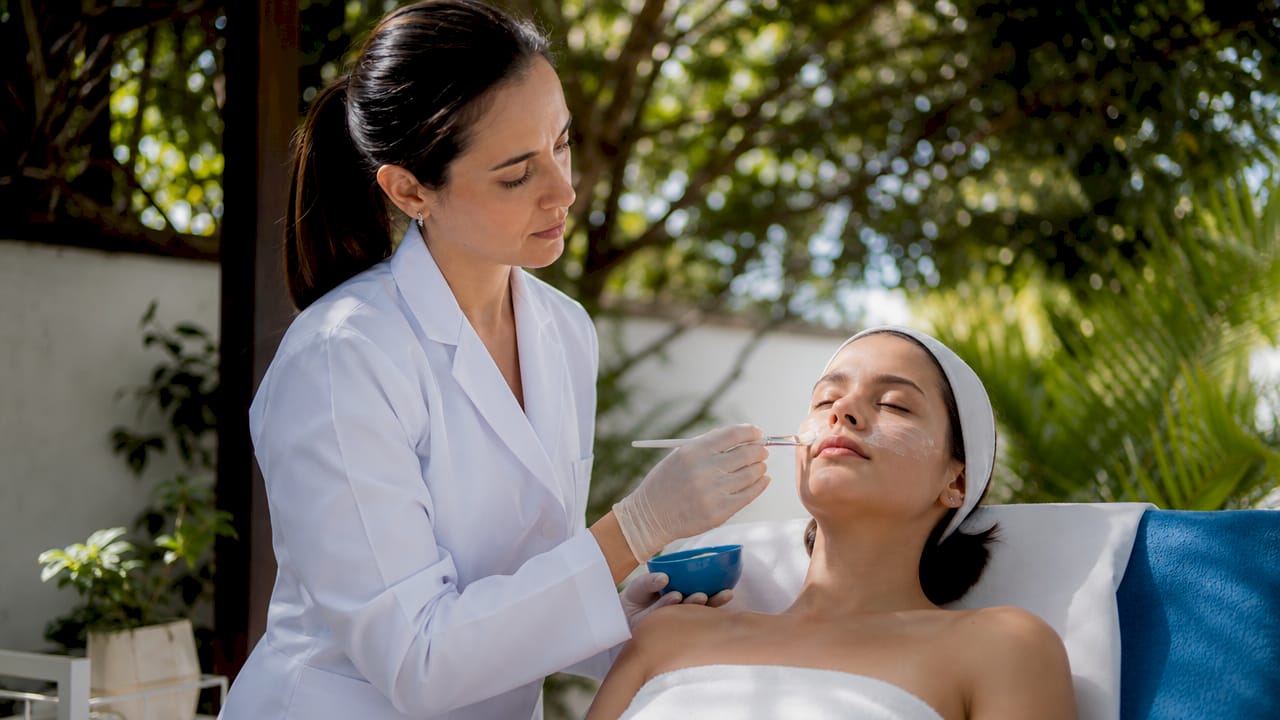
Professional spa treatments clear acne by targeting its root causes simultaneously: clogged pores, bacterial overgrowth, chronic inflammation, and a compromised skin barrier. Over-the-counter products address one or two of these factors at best. Medically informed spa protocols, including chemical peels, LED phototherapy, and professional acne facials, work across all four. Combination therapies reduce flare-ups and promote healing more reliably than single-agent approaches. If you are between 18 and 35 and tired of cycling through drugstore products with inconsistent results, this guide explains exactly which treatments work, why they work, and how to get the most from every session.
What professional spa treatments are most effective for different acne types?
Acne is not a single condition. Comedonal, inflammatory, and cystic acne each respond to different treatment mechanisms, which is why matching the right spa service to your specific acne type is the single most important decision you will make before booking.
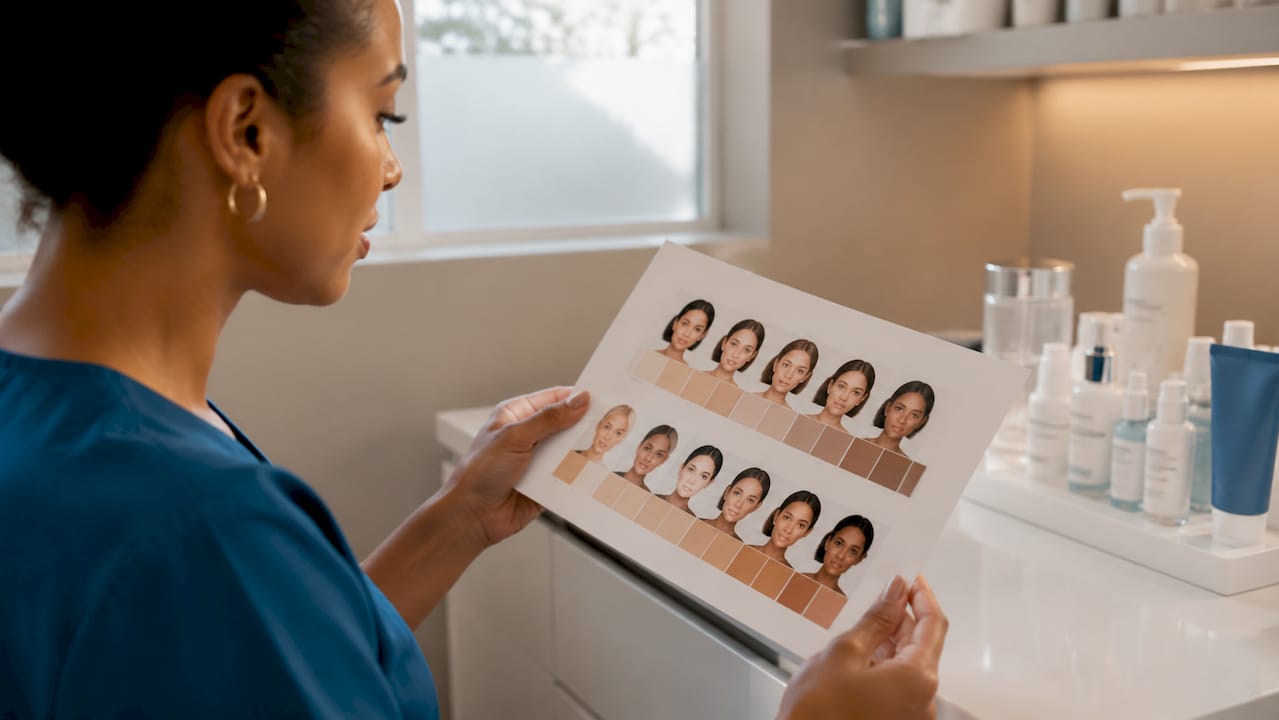
Comedonal acne (blackheads and whiteheads) forms when dead skin cells and sebum block pores without triggering significant inflammation. Salicylic acid peels and gentle glycolic acid peels are the most direct solution. Salicylic acid is oil-soluble, meaning it penetrates the pore lining and dissolves the plug from the inside. Professional-grade peels deliver concentrations that are not available in retail products, producing faster and more consistent results.
Inflammatory acne (papules and pustules) involves bacterial activity and immune response. LED light therapy is the standout treatment here. Blue light at 415 nm destroys Cutibacterium acnes bacteria directly, while red light at 633 nm reduces the surrounding inflammation. Professional acne facials that include deep cleansing, controlled extractions, and calming serums also reduce active lesions and improve skin texture without the irritation of aggressive at-home scrubbing.
Severe or cystic acne sits in a different category. Spa treatments can support and accelerate clearance, but cystic acne often requires dermatological intervention. Oral isotretinoin at 0.5 to 1.0 mg/kg per day over 15 to 20 weeks remains the clinical standard for severe nodulocystic cases. Spa protocols work best as adjunctive care alongside medical management for this acne type.
Comedonal acne: salicylic acid peels, glycolic acid peels, ultrasonic extractions
Inflammatory acne: blue and red LED phototherapy, professional acne facials, calming enzyme treatments
Cystic acne: medical-grade care first, then spa protocols for barrier support and scar prevention
Post-acne marks: chemical peels, LED therapy, and spa combination protocols that fade discoloration and restore texture
Pro Tip: Ask your esthetician to identify your primary acne type before your first session. A 15-minute skin analysis changes the entire treatment direction and prevents wasted sessions on the wrong protocol.
How do professional treatments work together to clear acne?
The most effective acne clearance comes from multi-modal protocols, not single treatments repeated indefinitely. Each modality targets a different layer of the problem, and their effects compound over a treatment series.
Chemical peels remove the outermost layer of dead skin cells, reducing the hyperkeratinization that traps sebum in pores. A series of medium-depth peels also suppresses sebaceous activity and fades post-inflammatory hyperpigmentation left behind by healed lesions. The result is smoother texture and fewer new blockages forming each week.
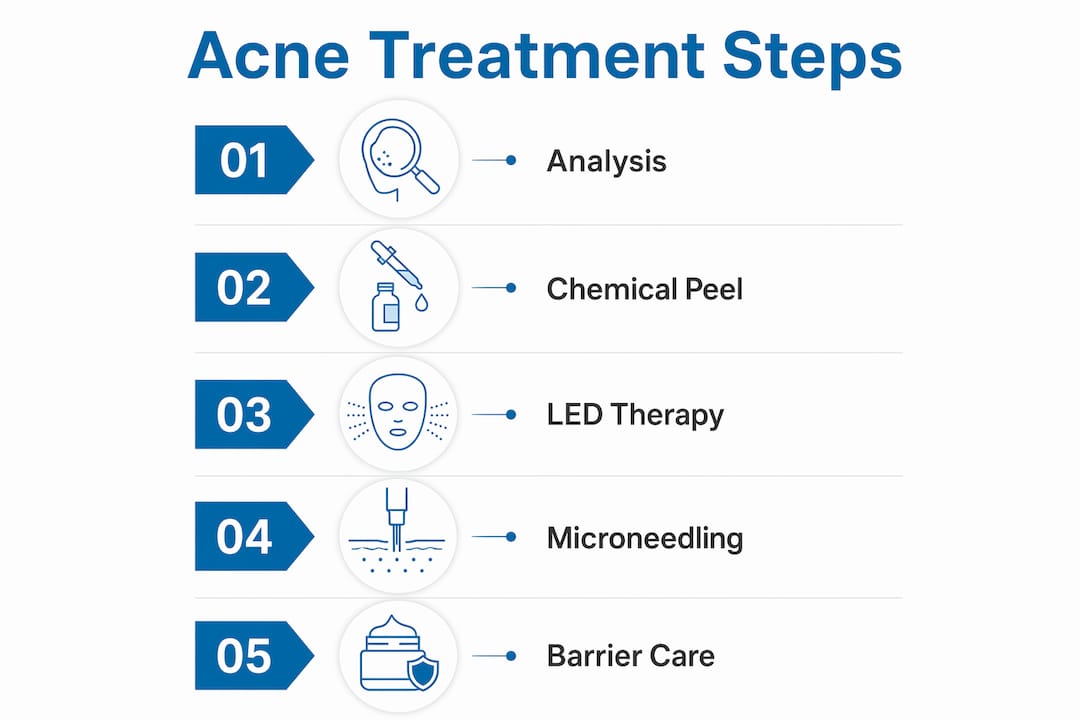
LED phototherapy works at the cellular level without any physical contact with the skin. Red and blue LED phototherapy combined with a short course of oral minocycline achieved a 100% cure rate in severe acne within 8 weeks in one cohort study, while halving the duration of antibiotic use. That finding matters because it demonstrates that phototherapy is not a soft add-on. It is a clinically meaningful treatment that reduces the systemic antibiotic exposure your body would otherwise need.
Microneedling and laser therapies serve a different purpose. They stimulate collagen production, improve skin texture, and are the primary spa-level tools for reducing acne scarring. They are most appropriate once active breakouts are under control, typically after a foundational course of peels and LED sessions.
Treatment | Primary target | Best acne type | Typical session count |
Salicylic acid peel | Clogged pores, sebum | Comedonal | 4 to 6 sessions |
Blue/red LED therapy | Bacteria, inflammation | Inflammatory | 6 to 8 sessions |
Glycolic acid peel | Dead skin buildup, texture | Mild to moderate | 4 to 6 sessions |
Microneedling | Collagen, scar depth | Post-acne scarring | 3 to 4 sessions |
Professional facial | Surface cleansing, extractions | All types (maintenance) | Monthly |
Barrier-supportive skincare is the connective tissue of any good protocol. Aggressive exfoliation without barrier repair worsens inflammation and increases sensitivity, which is why every professional protocol should include a calming, hydrating step after active treatments. Ceramide-based moisturizers and niacinamide serums are the most commonly used barrier-support agents in spa settings.
Pro Tip: Do not judge a treatment protocol by results after one session. Chemical peels and LED therapy both require a series to produce measurable clearance. Commit to at least four sessions before evaluating progress.
How to prepare for professional acne spa treatments
Walking into your first professional acne treatment without preparation is one of the most common reasons people see suboptimal results. The skin needs to be in a stable, receptive state before any active treatment is applied.
Book a consultation first. A skilled esthetician or paramedical skin specialist will assess your acne type, skin sensitivity, and current product use before recommending a protocol. This step prevents mismatched treatments and sets realistic expectations.
Discontinue harsh actives 48 to 72 hours before your appointment. Stop using retinoids, benzoyl peroxide, and exfoliating acids in the days before a peel or LED session. These products increase skin sensitivity and can lead to over-exfoliation when combined with professional-grade treatments.
Avoid waxing, threading, or any physical exfoliation on the treatment area for at least one week prior. Mechanical disruption of the skin surface creates micro-tears that make chemical peels and extractions more likely to cause irritation.
Arrive with clean, product-free skin. Skip makeup, SPF, and heavy moisturizers on the day of your appointment. Your esthetician will cleanse the skin before treatment, but starting clean reduces the risk of product interactions.
Expect a structured session flow. A typical professional acne facial moves through cleansing, steam or enzyme softening, extractions, active treatment application (peel or LED), and a calming finish with barrier-supportive products. The entire process takes 60 to 90 minutes.
Mild redness and sensitivity after a session are normal and typically resolve within 24 hours. Dermatologist-grade combination therapies that include retinoids and benzoyl peroxide require the same pre-treatment caution because these actives sensitize the skin to professional treatments. Always disclose your full skincare routine during your consultation.
Pro Tip: Take a photo of your skin before your first session and again after every fourth treatment. Progress in acne clearance is gradual, and visual documentation keeps you motivated and gives your esthetician objective data to adjust your protocol.
Common mistakes that slow down acne clearance
Even with access to the best professional acne treatment options, certain habits consistently undermine results. Knowing what to avoid is as important as knowing what to do.
Over-exfoliating between sessions. Clients who use strong at-home acids or scrubs between professional peel appointments strip the skin barrier faster than it can recover. This triggers reactive sebum production and worsens breakouts rather than clearing them.
Stopping treatment too early. Acne clearance is not linear. Weeks three and four of a treatment series often look worse before they look better as congestion purges to the surface. Discontinuing at this stage is the single most common reason people report that professional treatments “did not work.”
Skipping sunscreen post-treatment. Chemical peels and LED therapy both increase photosensitivity. Unprotected sun exposure after a session causes post-inflammatory hyperpigmentation, which is harder to treat than the original acne. Apply SPF 30 or higher every morning without exception.
Ignoring cystic acne signals. If your breakouts are deep, painful nodules that do not respond after six to eight professional sessions, that is a clear signal to see a dermatologist. Early professional intervention prevents the scarring and psychological burden that untreated severe acne causes. Spa treatments are not a substitute for medical care when the condition warrants it.
Failing to communicate with your provider. If a treatment causes unusual burning, prolonged redness beyond 48 hours, or new breakouts in areas that were previously clear, tell your esthetician immediately. Protocol adjustments are routine and expected. Silence leads to compounding damage.
Key takeaways
Professional spa treatments clear acne most effectively when protocols are matched to acne type, combine multiple modalities, and include consistent barrier support throughout the treatment series.
Point | Details |
Match treatment to acne type | Salicylic peels target comedonal acne; LED therapy addresses inflammatory breakouts. |
Combine modalities for faster results | Peels, LED therapy, and facials together outperform any single treatment used alone. |
Protect the skin barrier | Barrier-supportive moisturizers prevent over-exfoliation and improve treatment tolerance. |
Commit to a full series | Visible clearance typically requires 4 to 8 sessions depending on acne severity. |
Escalate when needed | Cystic or treatment-resistant acne requires dermatological care alongside spa protocols. |
What I have learned from treating acne at the spa level
The clients who see the fastest, most lasting clearance are never the ones chasing a single miracle treatment. They are the ones who commit to a protocol and protect their barrier as aggressively as they exfoliate. That balance is where most people go wrong.
I have seen clients arrive after months of aggressive at-home acid use with a compromised barrier, active inflammation, and a skin microbiome in complete disarray. The instinct is to keep exfoliating harder. The reality is that the skin needs two weeks of barrier recovery before any professional treatment will perform as intended. Barrier-supportive moisturizers during intensive treatment are not optional extras. They are what makes the active treatments work.
The psychosocial weight of acne is also something the industry underestimates. Clients in their 20s dealing with persistent breakouts carry real confidence damage into every consultation. That is why I believe early professional intervention matters so much. Waiting until acne is severe before seeking clinical care means treating both the acne and the scarring it leaves behind. One is far easier than two.
My honest advice: choose a spa that uses evidence-based protocols, asks detailed questions before touching your skin, and adjusts your plan based on how your skin responds. A provider who gives every client the same facial regardless of acne type is not practicing at the level your skin deserves. You can review what to expect from a professional setting in this overview of medical spa services before you book.
— Lux
Ready to clear your skin at Luxveritae?
At Luxveritae, every acne treatment plan starts with a detailed skin consultation to identify your acne type and build a protocol that actually fits your skin. Professional acne facials, medical-grade chemical peels, and targeted LED phototherapy are all available as standalone services or as part of a customized series.
Whether you are dealing with persistent blackheads, inflammatory breakouts, or post-acne marks that won’t fade, the team at Luxveritae designs each session around your specific skin goals. No generic protocols. No guesswork. Book your appointment online and take the first concrete step toward clearer, healthier skin with a plan built specifically for you.
FAQ
What is the fastest professional treatment to clear acne?
LED phototherapy combined with a short antibiotic course produced 90% or greater symptom improvement in severe acne within 8 weeks. For mild to moderate acne, a series of salicylic acid peels combined with professional facials typically shows visible improvement within 4 to 6 sessions.
Can professional facials make acne worse?
Professionally performed facials rarely worsen acne when matched to the correct skin type and acne severity. Poorly executed extractions or inappropriate product use can trigger temporary purging, but a trained esthetician minimizes this risk through proper technique and barrier-supportive finishing steps.
How many spa sessions does it take to clear acne?
Most clients see meaningful clearance after 4 to 8 sessions, depending on acne type and severity. Comedonal acne typically responds faster than inflammatory or cystic forms, which may require ongoing maintenance sessions after the initial treatment series.
Are spa acne treatments safe for sensitive skin?
Yes, when the protocol is calibrated to your skin’s tolerance. Barrier-conscious treatment protocols that pair active treatments with calming and hydrating steps are specifically designed to minimize irritation in sensitive skin types. Always disclose sensitivity during your consultation.
When should I see a dermatologist instead of a spa?
Seek dermatological care if your acne is predominantly deep, painful cysts or nodules, or if it has not responded after 6 to 8 professional spa sessions. Oral isotretinoin and prescription-strength topicals are medical interventions that spa treatments cannot replace for severe cases.
Recommended
Comments