


Skincare Treatments Men Actually Need in 2026

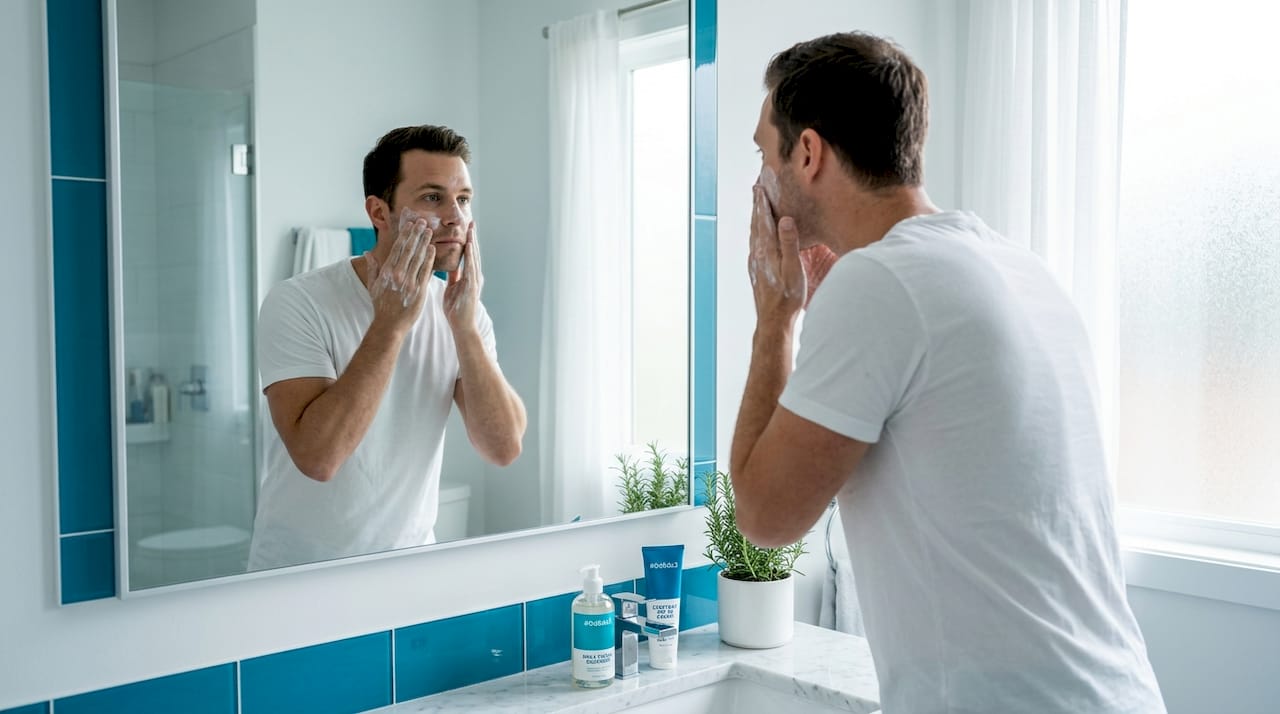
Skincare treatments men actually need consist of three cornerstone steps: cleansing, moisturizing, and daily sunscreen use, with targeted treatments added for acne, aging, or specific skin concerns. Men’s skin is structurally different from women’s skin. It produces more sebum, has larger pores, and faces daily trauma from shaving. Despite this, most men operate without any consistent routine. Dermatologists at GQ and skin cancer prevention authorities agree: a simple, evidence-based approach to men’s skincare delivers real, measurable results without requiring a bathroom full of products.
1. The skincare treatments men actually need as a foundation
The baseline men’s skincare routine is cleanse, moisturize, and protect with SPF 30 or higher, applied morning and evening. Every other treatment builds on this foundation. Skip it, and no serum or in-office procedure will compensate.
Cleansing removes excess oil, dead skin cells, and environmental debris that accumulate throughout the day and overnight. Use a gentle, non-stripping cleanser twice daily. Brands like CeraVe and Cetaphil formulate cleansers that clean without disrupting the skin barrier, which is the protective layer that keeps moisture in and irritants out.
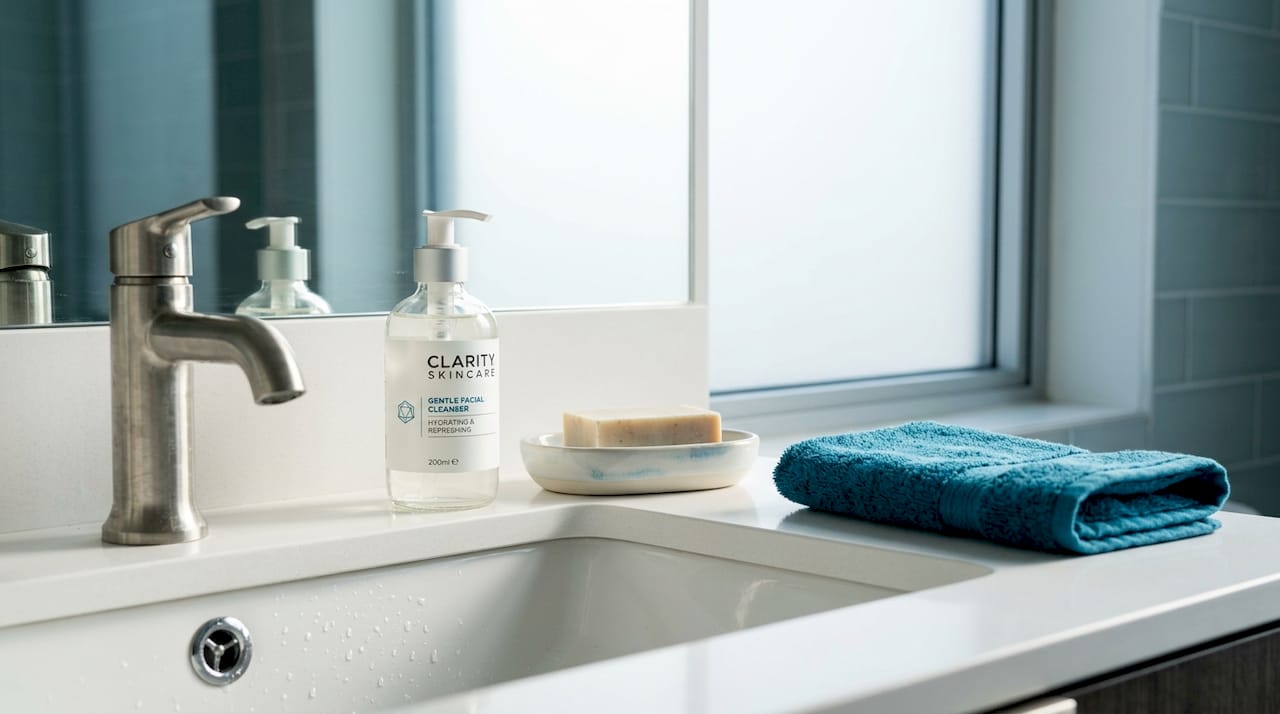
Moisturizing is not optional, even for oily skin. Moisturizers strengthen the skin barrier and reduce water loss, and men with oily skin benefit specifically from lightweight, non-comedogenic formulations that regulate oil without clogging pores. Skipping moisturizer often triggers the skin to overproduce oil as compensation.
Sunscreen is the single most protective product in any man’s routine. Broad-spectrum SPF 30 or higher applied every two hours prevents UV-induced skin cancer and photoaging. UVA rays penetrate glass and cloud cover, causing hyperpigmentation and collagen breakdown year-round. Real-world sunscreen compliance depends more on product texture than on knowing SPF facts, so find a formula you will actually wear daily.
Pro Tip: Apply sunscreen as the last step in your morning routine, after moisturizer. A tinted SPF 30 mineral sunscreen from brands like EltaMD or La Roche-Posay doubles as light coverage and is far easier to wear consistently.
2. Which acne treatments do men actually need?
Acne is the most common skin condition men aged 18 to 45 face, and the most effective treatments are topical, not systemic. Topical acne medications like benzoyl peroxide and retinoids reduce lesions by over 70%, with combination therapies being the standard of care for mild to moderate acne.
The most effective combination is a topical retinoid paired with benzoyl peroxide. Retinoids unclog pores and prevent new comedones from forming. Benzoyl peroxide kills acne-causing bacteria and reduces inflammation. Used together, they target multiple causes of acne simultaneously, which is why combination topical therapy is the 2026 clinical consensus recommendation before considering any systemic treatment.
Topical antibiotics like clindamycin are sometimes added, but only in combination with benzoyl peroxide. Using antibiotics alone accelerates bacterial resistance, which is why dermatologists now limit standalone antibiotic prescriptions for acne. Poor adherence, not ingredient failure, is the most common reason acne regimens fail in practice. Combination therapies improve adherence because they address more symptoms with fewer products.
For sensitive skin, niacinamide at 4 to 5 percent concentration reduces redness and oil production without the irritation that retinoids can cause at the start. Azelaic acid is another well-tolerated option that addresses both acne and post-inflammatory hyperpigmentation.
Pro Tip: Start benzoyl peroxide at 2.5 percent, not 10 percent. Higher concentrations increase irritation without meaningfully improving efficacy, according to clinical comparisons.
3. How anti-aging treatments fit into men’s skincare
Anti-aging skincare for men is not about vanity products. It is about protecting the structural integrity of your skin over time. Daily photoprotection is the most critical anti-aging step because UVA and visible light drive the majority of photoaging and pigmentation changes. No retinoid or peptide serum works well without consistent sunscreen use underneath it.
Retinoids are the most evidence-backed topical anti-aging ingredient available without a prescription. They stimulate collagen production, accelerate cell turnover, improve skin texture, and reduce fine lines over time. The catch is patience. Significant visible improvements from retinoids require consistent use over months, with early results mainly involving increased cell turnover rather than structural changes. Most men quit too soon.
Additional actives like vitamin C serums and peptide formulations are genuinely useful but secondary. Vitamin C from brands like SkinCeuticals (C E Ferulic) neutralizes free radicals and brightens skin tone. Peptides support collagen synthesis. Neither replaces retinoids or sunscreen. Think of them as upgrades once your foundation is solid.
For men interested in a mature skin care approach, the priority order is: sunscreen daily, retinoid nightly, then optional actives. That sequence is not arbitrary. It reflects the clinical evidence on what actually moves the needle on skin aging.
4. How to start retinoids without wrecking your skin
Retinoids cause irritation, peeling, and redness when introduced too aggressively. The solution is a gradual introduction protocol that most men skip because they assume more product equals faster results.
Introduce retinoids at low strength, starting at 0.025 to 0.05 percent retinol, applied one to two nights per week for the first month. Increase frequency only when your skin tolerates it without significant redness or flaking. This approach builds tolerance without structural damage to the skin barrier.
The “sandwich method” works well for beginners: apply a thin layer of moisturizer, then retinoid, then another thin layer of moisturizer. This buffers the active ingredient and reduces irritation without eliminating efficacy. CeraVe Moisturizing Cream or Vanicream work well as the buffer layers because they are fragrance-free and barrier-supportive.
Retinoids increase photosensitivity, which is another reason daily sunscreen is non-negotiable when using them. Apply retinoids at night only, and never skip SPF the following morning.
5. What professional in-spa treatments can do for men’s skin
Home care handles the daily maintenance. Professional treatments handle what topicals cannot: texture irregularities, enlarged pores, uneven tone, and dullness that accumulates over years. Understanding the benefits of non-surgical skin treatments helps you decide which in-office options are worth your time and investment.
Here is a comparison of the most effective professional treatments for men:
Treatment | Primary benefit | Best for |
Chemical peel | Exfoliation, texture refinement | Acne scars, dullness, uneven tone |
Microdermabrasion | Surface resurfacing | Rough texture, mild hyperpigmentation |
BB Glow | Pigmentation balance, luminosity | Uneven skin tone, early signs of aging |
Laser resurfacing | Collagen stimulation, deep texture | Wrinkles, scarring, elasticity loss |
HydraFacial | Deep cleansing, hydration infusion | All skin types, maintenance |
Pore size cannot be permanently erased but can be visually minimized through chemical peels, exfoliation, and professional resurfacing, especially when combined with consistent home skincare. This is a critical distinction: professional treatments improve appearance, but they do not override the need for a daily routine.
BB Glow is a signature treatment at Luxveritae that uses micro-needling to infuse tinted serums into the skin, creating a semi-permanent, natural-looking tone correction. For men dealing with redness, post-acne marks, or general unevenness, it delivers results that topicals alone cannot replicate.
6. How to customize your routine based on your skin type
Not every man needs the same products. Skin type determines which formulations work and which ones cause problems. A routine built for your skin type performs significantly better than a generic one-size approach.
Oily skin: Use a gel or foaming cleanser, a lightweight water-based moisturizer, and add niacinamide or salicylic acid to control sebum. Zinc PCA is a lesser-known ingredient that directly regulates oil production at the follicle level.
Dry skin: Use a cream cleanser and a richer moisturizer with ceramides, hyaluronic acid, and glycerin. CeraVe Moisturizing Cream and Vanicream are both strong options.
Sensitive skin: Avoid fragrances, alcohol, and high-concentration actives. Introduce one new product at a time, waiting two weeks before adding another. Centella asiatica and allantoin are calming ingredients worth looking for.
Acne-prone skin: Keep the routine minimal. Over-layering products is a common trigger for breakouts. Stick to a non-comedogenic cleanser, lightweight moisturizer, SPF, and one targeted acne treatment.
Consistency matters more than product selection. A basic routine used every day outperforms an elaborate routine used three times a week. The skin types treatment checklist at Luxveritae is a practical starting point for identifying exactly which products belong in your routine.
Key takeaways
Effective skincare for men requires daily sunscreen, a barrier-supporting moisturizer, and targeted treatments like retinoids or benzoyl peroxide matched to specific skin concerns.
Point | Details |
Foundation first | Cleanse, moisturize, and apply SPF 30 or higher every morning before any other treatment. |
Acne needs combination therapy | Pair retinoids with benzoyl peroxide to target multiple acne causes and reduce resistance risk. |
Retinoids require patience | Start at low strength two nights per week and expect visible structural changes after several months of consistent use. |
Sunscreen drives anti-aging | Daily broad-spectrum SPF is the most evidence-backed anti-aging step, more so than any serum. |
Professional treatments amplify results | In-spa options like chemical peels and BB Glow address texture and tone that topicals alone cannot correct. |
What I’ve learned from working with men’s skin every day
Most men who come to Luxveritae for the first time are not dealing with complicated skin. They are dealing with neglected skin. The difference matters because neglected skin responds quickly once you give it the basics. I have seen clients clear years of congestion and dullness within three months of a consistent cleanse-moisturize-SPF routine, before we even introduced any actives.
The mistake I see most often is skipping straight to the “interesting” treatments: retinoids, peels, serums. These work, but they work because the skin barrier underneath them is healthy and supported. When men come in with a compromised barrier from over-washing or skipping moisturizer, even a gentle peel causes unnecessary irritation.
My honest position on retinoids: most men should start them in their late 20s, not their 40s. The collagen you protect in your 30s is far easier to maintain than the collagen you try to rebuild in your 50s. Starting slow and staying consistent is not a compromise. It is the actual strategy.
Sunscreen compliance is the area where I push hardest. I have never met a man who regretted wearing SPF daily. I have met plenty who regretted not starting sooner.
— Lux
Ready to take your skincare further with Luxveritae?
At-home routines build the foundation. Professional treatments deliver the results that topicals cannot reach on their own.
Luxveritae offers personalized skin consultations and a full menu of treatments designed for your specific skin goals, whether that is clearing acne, correcting uneven tone, or addressing early signs of aging. Signature services like BB Glow, chemical peels, and customized facial treatments are all available with expert guidance from certified skin professionals. Browse the full range of treatment packages to find the right fit, or book your appointment directly online. Your skin responds to what you consistently give it. Give it something worth responding to.
FAQ
Do men really need a skincare routine?
Yes. Men’s skin produces more sebum and faces daily shaving stress, making cleansing, moisturizing, and SPF protection non-negotiable for maintaining skin health and preventing long-term damage.
What is the best acne treatment for men?
The most effective approach combines a topical retinoid with benzoyl peroxide. This combination reduces acne lesions by over 70% and is the current clinical standard for mild to moderate acne.
When should men start using retinoids?
Starting in your late 20s is ideal. Begin at 0.025 to 0.05 percent retinol one to two nights per week and increase gradually as your skin builds tolerance.
Does sunscreen actually prevent aging?
Yes. Daily photoprotection is the single most evidence-backed anti-aging step available, preventing the UVA-driven collagen breakdown and pigmentation changes that cause visible aging.
How often should men get professional skin treatments?
For most men, a professional treatment every four to six weeks maintains results and addresses concerns that home care cannot fully resolve. Frequency depends on your specific skin goals and the treatment type.
Recommended
Comments