


Skin Laxity in Seniors: Causes, Signs, and Treatments

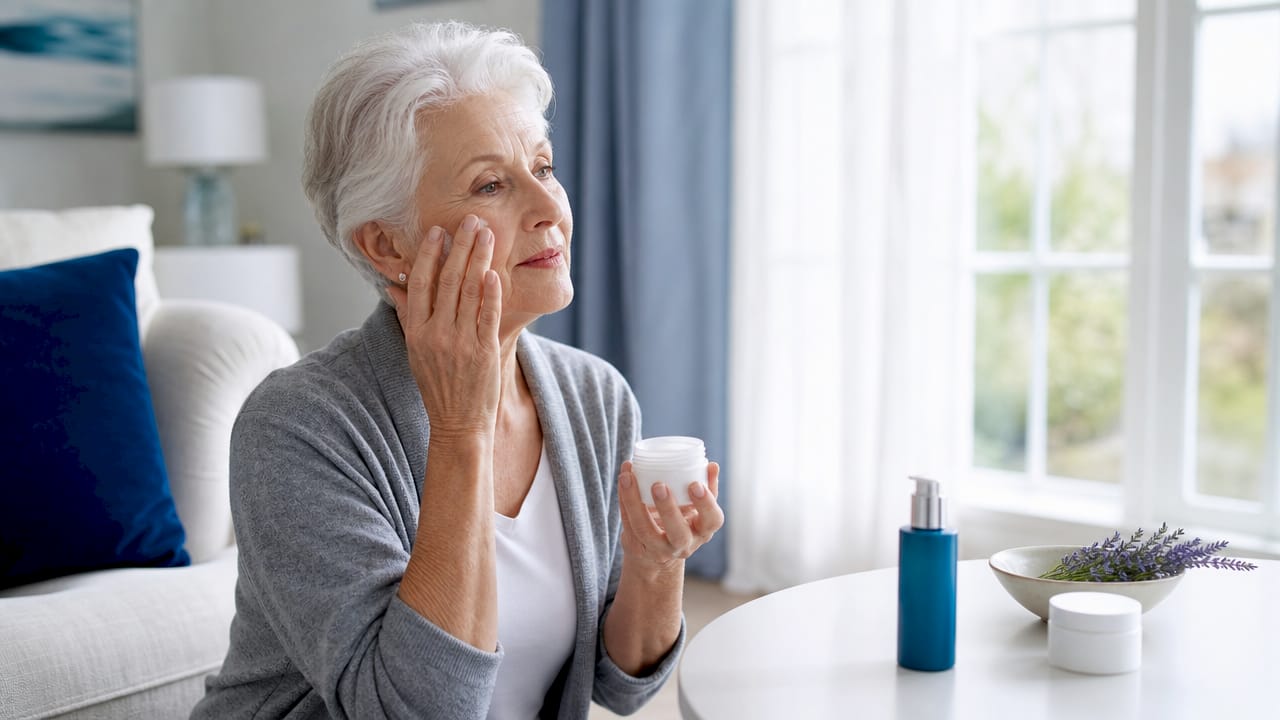
Skin laxity is defined as the loss of firmness and elasticity in the skin, caused by the natural decline of collagen, elastin, and the structural fat that supports skin from beneath. For adults over 60, this process accelerates significantly, making loose or sagging skin one of the most visible signs of aging. Understanding what is skin laxity in seniors means recognizing it as a biological condition, not simply a cosmetic concern. The face, neck, and hands are the most commonly affected areas, and the changes run deeper than the surface.
What biological changes cause skin laxity in aging skin?
Skin laxity in seniors begins with collagen. Collagen declines about 1% per year starting in the late 20s, and during menopause that loss can reach 30% within just five years. Collagen is the protein that keeps skin firm and structured. Without enough of it, skin loses the internal scaffolding that holds it taut.
Elastin follows a similar path. Elastin gives skin its ability to snap back after being stretched or compressed. As elastin fibers break down and production slows, skin stops bouncing back. The result is a looser, less resilient surface that creases more easily and holds those creases longer.
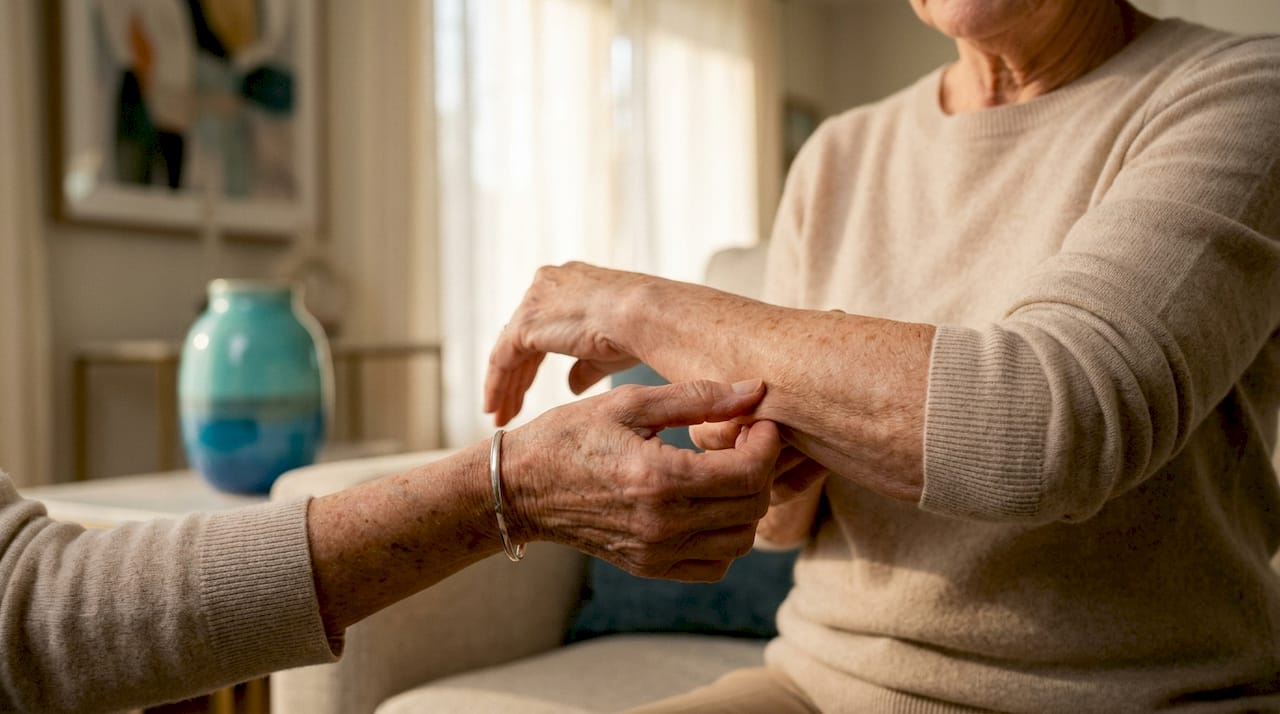
The epidermis, the outermost skin layer, also thins with age. Epidermal thinning of roughly 6% per decade reduces the skin’s ability to repair itself and increases fragility. Thinner skin tears more easily, heals more slowly, and provides less protection against environmental damage.
Beneath the surface, fat pads that once gave the face its rounded, lifted shape shrink and shift downward. Dermatologist Dr. Henry describes this as the “tablecloth effect,” where the underlying structures shrink but the skin covering them does not. The skin then drapes loosely, the same way a tablecloth sags when the table beneath it is removed. This is why skin laxity involves both surface changes and deep structural loss, including fat, muscle, and bone.
Collagen loss begins in the late 20s and accelerates sharply during menopause
Elastin breakdown reduces skin’s ability to recoil after movement or pressure
Epidermal thinning makes skin more fragile and slower to heal
Fat pad shrinkage creates the “tablecloth effect,” causing skin to drape loosely
Reduced cell turnover slows the skin’s ability to replace damaged tissue
Pro Tip: If you notice sagging in the lower face or neck, the cause is often fat and volume loss beneath the skin, not just surface changes. Treatments that only address the skin surface may deliver limited results without also restoring that deeper structure.
How does skin laxity affect seniors’ skin health and appearance?
Loose skin changes more than just your appearance. The most visible signs include sagging cheeks, a less defined jawline, loose skin along the neck, and a crepey texture on the arms and hands. These changes are gradual, but by the time most people reach their 60s, they are clearly noticeable.
Sagging facial contours. The cheeks flatten and drop, the jawline softens, and the neck develops loose folds. These changes reflect the combined loss of collagen, elastin, and fat beneath the skin.
Crepey skin texture. Skin on the arms, hands, and chest develops a thin, wrinkled texture that resembles crepe paper. This reflects both surface thinning and reduced moisture retention.
Increased skin fragility. Thinner, looser skin tears more easily from minor friction or bumps. Healing takes longer, and bruising becomes more common.
Dryness and barrier breakdown. Aging skin’s reduced barrier function increases vulnerability to dryness, inflammation, and infections. The skin produces fewer lipids, which means it holds less moisture.
Masking of medical conditions. Age-related skin changes can obscure or misrepresent underlying medical conditions, which is why regular skin monitoring matters as much as cosmetic care.
Xerosis, the medical term for chronic skin dryness, is one of the most common conditions linked to aging skin. It worsens with laxity because loose, thinning skin retains moisture poorly. Left untreated, xerosis can lead to cracking, bleeding, and infection.
Lax skin and thin skin are related but distinct conditions. Thin skin is defined by fragility and a tendency to tear. Lax skin is defined by the loss of elastic recoil. Both can occur together in seniors, but they require different care approaches. Recognizing the difference helps you choose the right treatment path.
What lifestyle habits can help manage skin laxity in seniors?
Prevention slows the progression of skin laxity more reliably than any single treatment. The most impactful daily habit is sun protection. UV radiation breaks down collagen and elastin faster than almost any other environmental factor.
Use a broad-spectrum sunscreen with SPF 30 or higher every day, even when it is cloudy
Reapply sunscreen every two hours when outdoors
Wear long sleeves, wide-brimmed hats, and UV-protective clothing for extended outdoor time
Avoid rapid weight loss, which causes fat to disappear faster than skin can contract, worsening laxity
Moisturize daily with products formulated for mature skin to support barrier function and reduce dryness
Rapid weight loss deserves special attention. Skin laxity often appears three to six months after significant weight loss, because the skin cannot contract quickly enough to match the body’s new shape. This is especially relevant for seniors using GLP-1 medications, where fat loss can be fast and pronounced. If weight loss is a goal, a gradual approach gives the skin more time to adapt.
Nutrition also plays a direct role in skin health. Protein supports collagen synthesis, and vitamin C is required for the body to produce collagen at all. Antioxidant-rich foods, including berries, leafy greens, and nuts, help protect existing collagen from oxidative damage. Staying well hydrated supports skin plumpness and barrier function. These are not dramatic fixes, but they create the internal conditions that slow laxity over time.
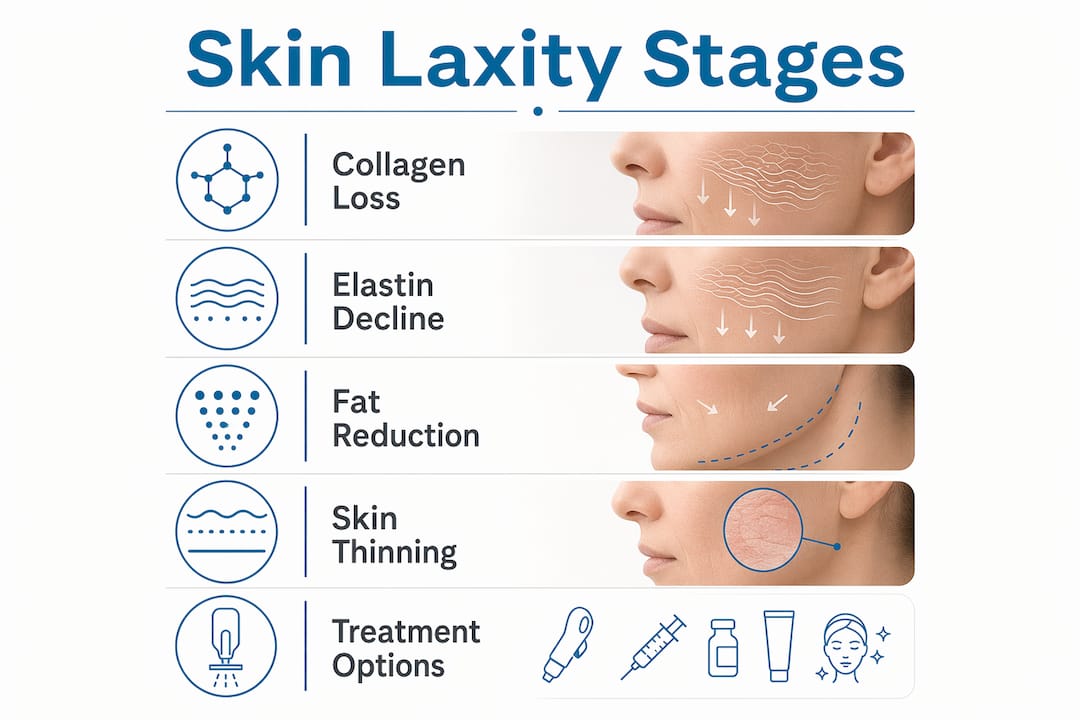
A mature skin care approach also includes avoiding harsh cleansers, limiting hot showers that strip natural oils, and patting skin dry rather than rubbing it. Small daily habits compound over months and years.
Pro Tip: Apply moisturizer to slightly damp skin immediately after bathing. This traps water in the skin and significantly improves hydration retention compared to applying it to dry skin.
What treatment options are effective for improving skin laxity in seniors?
Treatment for skin laxity in seniors works best when it addresses both the surface and the underlying structure. No single treatment reverses aging completely, but the right combination can produce meaningful, visible improvement.
Topical treatments
Topical retinoids, peptides, and antioxidants are the most clinically supported ingredients for improving skin elasticity. Retinoids increase cell turnover and stimulate collagen production. Peptides signal the skin to produce more structural proteins. Antioxidants protect against ongoing damage from UV exposure and pollution. These ingredients work gradually, typically over three to six months of consistent use.
Non-surgical procedures
Non-surgical treatments like radiofrequency, ultrasound, and laser therapies stimulate collagen remodeling deep within the skin. Radiofrequency uses heat energy to tighten existing collagen fibers and trigger new collagen growth. Ultrasound therapy, such as the Ultherapy technique, targets deeper tissue layers. Laser treatments resurface the skin and promote renewal. These procedures are well tolerated by most seniors and require no surgical recovery time.
Volume restoration
Addressing the tablecloth effect requires restoring volume beneath the skin, not just tightening the surface. Dermal fillers and fat transfer techniques replace lost fat pads and lift the skin from below. Volume loss beneath the skin plays a critical role in laxity, and superficial treatments often fall short without this step.
Managing expectations
Treatments improve skin laxity. They do not reverse it entirely. Skin aging is tied to systemic processes, and topical or procedural treatments alone cannot address every contributing factor. A dermatologist or licensed skin care professional can assess your specific skin condition and recommend a plan that matches your goals and health profile. Consulting a professional before starting any treatment program is the most reliable way to avoid wasted effort and unnecessary expense.
You can review a detailed breakdown of skin laxity causes and treatment types to understand which options align with your skin’s current condition.
Key Takeaways
Skin laxity in seniors results from the combined loss of collagen, elastin, fat, and epidermal thickness, and addressing it effectively requires both protective habits and targeted treatments.
Point | Details |
Collagen loss drives laxity | Collagen declines 1% per year from the late 20s and drops sharply during menopause. |
The tablecloth effect explains sagging | Fat and volume loss beneath the skin causes it to drape loosely, not just surface thinning. |
Sun protection is the top prevention | SPF 30+ sunscreen applied daily and reapplied every two hours slows UV-driven collagen breakdown. |
Non-surgical treatments rebuild collagen | Radiofrequency, ultrasound, and laser therapies stimulate collagen remodeling without surgery. |
Realistic goals improve outcomes | Treatments improve laxity but do not reverse it fully; a professional plan delivers the best results. |
What I have learned from working with aging skin every day
The most common mistake I see is treating skin laxity as a surface problem. People invest in creams and serums, apply them faithfully, and then feel discouraged when the results are modest. The truth is that loose skin in your 60s and beyond is largely a structural issue. The fat pads are gone. The collagen scaffold has thinned. The skin has less to hold onto. A topical product cannot rebuild what has been lost beneath the surface.
What actually works is a layered approach. You protect the skin you have with sunscreen and good nutrition. You support it with clinically proven ingredients like retinoids and peptides. And when you are ready for more visible change, you work with a professional to address the deeper structure through volume restoration or collagen-stimulating procedures.
I also want to say something that does not get said enough: aging skin is not damaged skin. It is skin that has changed. The goal is not to look 30 again. The goal is to have skin that feels comfortable, looks healthy, and holds up well to daily life. That is achievable at any age with the right approach.
Seniors who come in with realistic expectations and a willingness to commit to both home care and professional treatment consistently see the best results. The people who struggle are those looking for a single fix. There is no single fix. There is a plan, and the plan works when you stick to it.
— Lux
Skin care for seniors at Lux Veritae Skin Spa
Lux Veritae Skin Spa offers personalized skin rejuvenation treatments designed for mature skin, including non-surgical tightening therapies and customized treatment plans that address both surface and structural changes.

Every client receives a professional consultation to assess their specific skin condition and goals. Whether you are looking to slow the progression of skin laxity or address visible sagging, the team at Luxveritae builds a plan around your skin, not a generic protocol. Browse the full range of skin treatment packages or book a treatment to take the first step toward a personalized care plan that fits your lifestyle and goals.
FAQ
What is skin laxity in seniors?
Skin laxity is the loss of firmness and elasticity in the skin caused by declining collagen, elastin, and fat beneath the skin’s surface. It is a natural part of aging that becomes more pronounced after age 60.
What are the first signs of skin laxity?
The earliest signs include sagging along the cheeks and jawline, loose skin on the neck, and a crepey texture on the arms and hands. These changes reflect both surface thinning and deeper structural loss.
Can skin laxity be reversed?
Skin laxity can be significantly improved with treatments like radiofrequency, ultrasound therapy, and volume restoration, but it cannot be fully reversed. Consistent treatment and protective habits produce the most lasting results.
Does rapid weight loss worsen skin laxity in seniors?
Rapid weight loss causes skin laxity to worsen because fat disappears faster than the skin can contract. Seniors using GLP-1 medications are particularly at risk and should discuss skin care with their provider.
What is the best daily habit for preventing skin laxity?
Daily use of broad-spectrum sunscreen with SPF 30 or higher, reapplied every two hours outdoors, is the single most effective habit for slowing UV-driven collagen breakdown and preventing further skin laxity.
Recommended
Comments