


What Causes Uneven Skin Texture: a 2026 Guide
- L Guevara
- May 26
- 9 min read


If your skin feels rough in some spots, smooth in others, and somehow dull everywhere at once, you already know the frustration of uneven skin texture. What causes uneven skin texture is rarely one single thing. It is a combination of biology, environment, habits, and sometimes conditions you have not yet identified. The good news is that once you understand what is actually driving the problem, treating skin texture issues becomes far more targeted and effective. This guide breaks down every major cause and tells you exactly what to do about each one.
Table of Contents
Key takeaways
Point | Details |
Collagen loss starts early | Collagen depletion begins around age 25, making daily SPF and retinoids non-negotiable for texture health. |
Dead cell buildup dulls skin | Insufficient exfoliation causes roughness and dullness; chemical exfoliants work better and safer than physical scrubs. |
Barrier damage worsens texture | Overusing actives and harsh products disrupts your skin barrier, creating rough, inflamed patches that resist repair. |
Systemic causes are often missed | Conditions like keratosis pilaris, eczema, and vitamin A deficiency produce texture issues that topical products alone cannot fix. |
Consistency beats intensity | A simple, steady routine of exfoliation, hydration, and SPF outperforms aggressive or overcomplicated regimens every time. |
What causes uneven skin texture: the biology behind it
Your skin has a natural renewal cycle. When that cycle gets disrupted, whether by age, sun exposure, or something internal, the surface stops behaving uniformly. One of the biggest drivers is collagen. Collagen production starts declining around age 25, and UV exposure speeds that loss significantly. The result is skin that gradually loses its firmness, develops uneven thickening in some areas, and starts to feel rougher to the touch.
Photoaging is worth understanding separately. Every unprotected minute in the sun accelerates collagen breakdown at a structural level. Over three to five years of consistent UV exposure without adequate protection, the texture changes become visible. You see it as rough patches, enlarged pores, and a general loss of that smooth, plump surface you had in your teens.
The fix here requires two things working simultaneously: stopping further damage and stimulating repair. A broad-spectrum SPF 30 or higher applied every morning is non-negotiable. Retinoids, applied several nights per week, signal fibroblast cells to produce more collagen. They also speed up cell turnover, which directly smooths surface texture. The catch is patience. Retinoids require 4-6 weeks of consistent use before you notice visible changes. Expecting results in a week sets you up for giving up too early.
Use broad-spectrum SPF 30 or higher every single morning, even on overcast days
Start retinoids two to three nights per week and build up gradually to reduce initial irritation
Pair retinoids with a hydrating moisturizer to buffer dryness during the adjustment period
Reapply sunscreen every two hours when outdoors
Pro Tip: Apply retinoids to dry skin and wait ten minutes before layering moisturizer. This slows absorption slightly and cuts down on redness without reducing effectiveness.
Dead skin cells and clogged pores as causes of rough skin
Here is something most people do not fully appreciate: your skin sheds constantly. When that shedding process slows or stalls, dead skin cell buildup creates a rough, dull surface that neither catches light well nor absorbs your skincare products properly. This is why is my skin uneven even when I drink water and sleep well. The texture you feel is often literal cellular debris sitting on the surface.
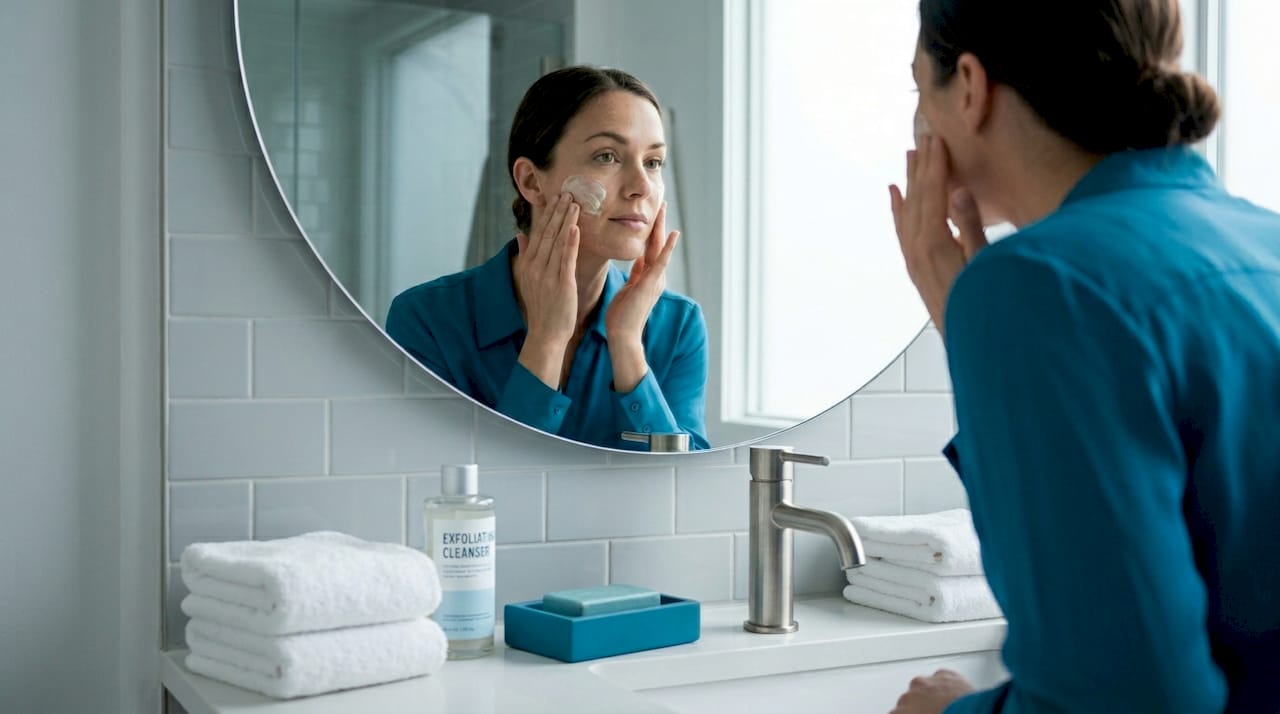
Physical scrubs were the go-to answer for decades, but they are actually a poor choice for most skin types. Gritty particles create micro-tears in the skin, which can trigger inflammation and worsen the very roughness you are trying to smooth out. Chemical exfoliants do the job far more effectively by dissolving the bonds that hold dead cells together instead of scraping them off.
AHAs like glycolic and lactic acid work well for normal to dry skin. PHAs, which are larger molecule acids, offer similar resurfacing with a gentler profile, making them a strong option for sensitive skin. For darker skin tones specifically, mandelic acid and PHAs are the safer choices because they carry a lower risk of triggering post-inflammatory hyperpigmentation, a real concern with stronger acids on Fitzpatrick IV through VI skin types.
Clogged pores add another layer to the problem. Sebum, product residue, and environmental debris collect inside pores. When that congestion hardens, pores appear enlarged and the skin surface looks and feels uneven. After acne clears, the scarring left behind creates physical depressions and ridges that alter skin texture in ways no serum can fully erase on its own.
Pro Tip: Start exfoliating just once per week and observe how your skin responds over the following 48 hours. Redness, stinging, or peeling that lasts longer than a day means you need a gentler acid or a longer gap between sessions.
Skin barrier health and its effect on texture
Your skin barrier is a thin protective layer made up of lipids, proteins, and water. When it is intact, skin feels supple and smooth. When it is compromised, dryness, redness, and rough patches appear rapidly, and texture deteriorates in a way that looks similar to aging but has a completely different cause.
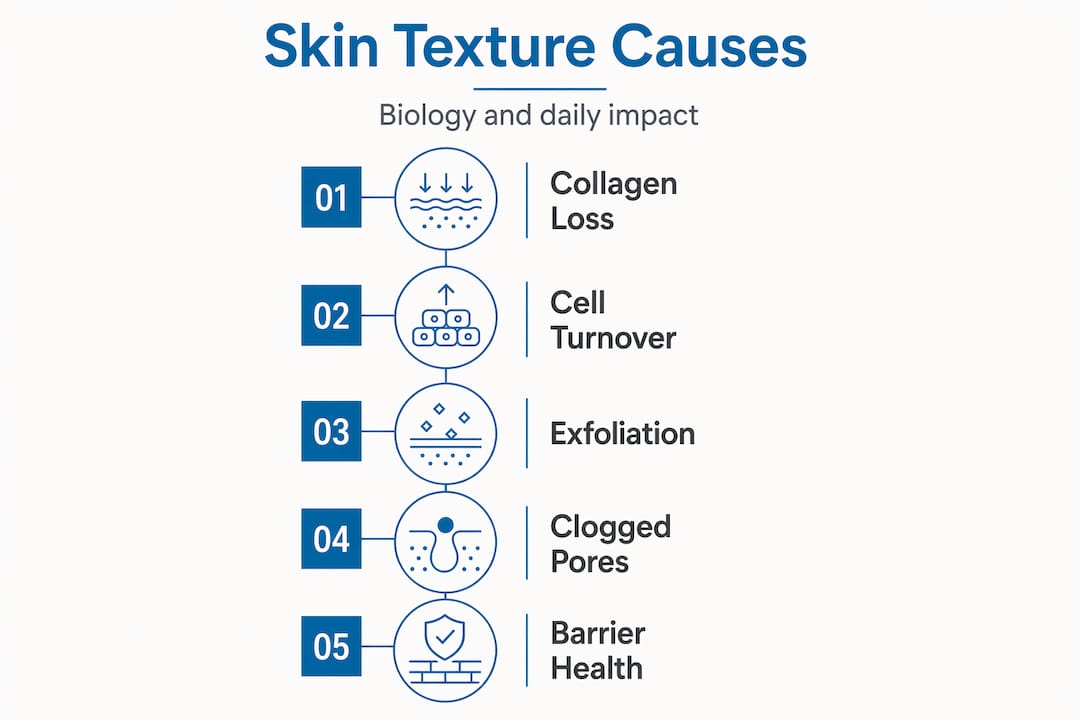
The most common culprits behind barrier damage are not external pollution alone. They are the products sitting on your bathroom shelf. Using too many actives at once, layering acids over retinoids over vitamin C, strips the barrier faster than it can repair itself. Harsh weather and indoor heating make things worse. Chronic barrier disruption leads to low-level inflammation, and that inflammation consistently shows up as rough, dull, unresponsive skin.
Repairing the barrier follows a clear sequence:
Strip your routine down to a gentle cleanser, a fragrance-free moisturizer containing ceramides or niacinamide, and SPF during the day.
Pause all actives, including acids and retinoids, for at least one week while the barrier restores.
Reintroduce actives one at a time, with at least a week between each addition, so you can identify any that cause irritation.
Add niacinamide or peptides as supporting ingredients once the barrier feels calm. Both strengthen the barrier while also addressing uneven skin tone and texture simultaneously.
Pro Tip: Layering a ceramide-rich moisturizer on slightly damp skin locks in more hydration than applying it to dry skin. This single change noticeably reduces the rough, tight feeling that signals a struggling barrier.
Systemic and less obvious causes of texture problems
Not every texture issue comes from what you put on your skin, or what you forget to put on it. Some causes run deeper, and this is where many people waste months on the wrong solutions.
Skin conditions including eczema, psoriasis, and keratosis pilaris directly alter the skin surface. Keratosis pilaris, those small rough bumps most common on the upper arms and cheeks, forms when keratin plugs hair follicles. No amount of moisturizer or exfoliating serum fully resolves it because the cause is structural, driven by genetics. Managing it requires consistent use of urea or lactic acid to soften the plugs over time, along with realistic expectations.
Nutritional deficiencies also show up on the skin surface long before they cause obvious health problems. Vitamin A deficiency slows cellular turnover, producing the same rough, dull texture that inadequate exfoliation creates. The difference is that no topical retinoid fully compensates for a deficiency that starts from the inside. Dietary sources include liver, eggs, orange and yellow vegetables, and leafy greens.
Beyond specific conditions and nutrients, several lifestyle factors quietly degrade skin texture:
Poor sleep reduces growth hormone production, which slows skin cell repair overnight
Chronic stress elevates cortisol, which breaks down collagen and disrupts the skin barrier
Air pollution deposits particulate matter that generates free radical damage on the skin surface
Smoking accelerates collagen breakdown and reduces blood flow to skin tissue
If you have used consistent topical treatments for four to six weeks without improvement, do not just buy stronger products. Persistent rough patches with itching or unusual location can indicate systemic issues like thyroid disorders or early-stage diabetes. A dermatologist or your physician can rule these out quickly and redirect your treatment.
How to fix uneven skin: building a routine that works
Skin texture improvement tips are everywhere, but most people overcomplicate the approach. The actual gold standard for how to fix uneven skin is a consistent, gentle routine built around exfoliation, hydration, and UV protection. Not six serums. Not daily acids. Just the fundamentals, done reliably.
Here is how the core ingredients compare for texture-focused routines:
Ingredient | Primary benefit | Best for | Caution |
Retinoids | Collagen stimulation, cell turnover | Aging-related texture, dullness | Start slow; causes initial dryness |
AHAs (glycolic, lactic) | Surface exfoliation, smoothing | Dry to normal skin, sun damage | Avoid overuse; max 2-3x per week |
PHAs / Mandelic acid | Gentle exfoliation | Sensitive skin, darker tones | Fewer risks; still limit frequency |
Niacinamide | Barrier support, pore minimizing | All skin types | Very well tolerated |
Ceramides | Barrier repair, hydration | Dry, compromised, or reactive skin | No restrictions |
Building the routine itself works best as a staged process:
Start with the basics only: a gentle cleanser, moisturizer with ceramides or niacinamide, and SPF 30 or higher.
After two weeks, introduce one chemical exfoliant, used once per week.
After another two to three weeks, if your skin is tolerating things well, add a retinoid on non-exfoliation nights.
Reassess after six weeks. If texture is improving, stay consistent. If not, consider whether a professional treatment is the right next step.
Professional options like chemical peels, microneedling, and laser resurfacing address texture at a deeper level than topical products can reach alone. Chemical peels remove damaged surface layers. Microneedling stimulates collagen production through controlled micro-injuries. Laser treatments target photoaging and resurfacing simultaneously. These are not shortcuts, but they accelerate results when used alongside a solid home routine.
You can also explore a skincare routine for your skin type to make sure the foundation you build is actually suited to your skin’s specific needs.
Pro Tip: Take a photo of your skin under the same lighting every two weeks from the same angle. Texture changes are gradual enough that day-to-day comparisons feel discouraging. Side-by-side photos over six weeks often reveal significant progress you would otherwise miss.
What I have learned treating texture from both sides
In my experience, the single biggest obstacle to improving uneven skin texture is not the wrong product. It is the impulse to do more when the skin is not responding fast enough.
I have worked with clients who arrived with genuinely worsened texture caused entirely by their own routines. Multiple acids, nightly retinol, vitamin C in the morning, and a physical scrub twice a week. Every product was individually reasonable. Together, they were dismantling the barrier faster than the skin could recover. Pulling everything back to a two-step routine sometimes produces more visible improvement in three weeks than six months of an aggressive regimen.
What surprises most people is that texture can be felt before it becomes visible. Clients often describe skin that feels rough or subtly uneven well before a mirror shows any obvious change. That early tactile signal matters. It is your skin telling you something in the barrier or renewal process is off. Responding early, gently, prevents it from becoming the entrenched texture issue that needs clinical intervention.
My honest advice: diagnose before you treat. Congested pores causing texture require a completely different approach than a compromised barrier causing rough patches. Treating congestion with occlusive moisturizers makes it worse. Treating a damaged barrier with acids makes it worse. Taking the time to identify which category you are in saves months of frustration. And if topical care has genuinely failed after six consistent weeks, see a professional. Not because you did something wrong, but because some causes of rough skin simply require more than a bottle can deliver.
— Lux
Real texture results start with the right treatment
At Luxveritae, skin texture improvement is never a one-size-fits-all process. Every client receives a personalized assessment to identify the specific causes driving their texture concerns, whether that is collagen loss, congestion, barrier damage, or something systemic.
Luxveritae’s signature services include BB Glow treatments that improve surface luminosity and tone, professional-grade chemical exfoliation and resurfacing, and specialized scar camouflage for texture irregularities caused by scarring. Each treatment is designed to complement your home routine, not replace it. For those ready to explore a structured approach, the Luxveritae treatment packages offer tiered options built around varied skin concerns and goals. You can also book a consultation directly online and start with a plan built around your skin, not a generic template.
FAQ
What are the most common causes of uneven skin texture?
The most common causes include collagen loss from aging and UV exposure, dead skin cell buildup from insufficient exfoliation, clogged pores, skin barrier disruption, and acne scarring. Skin conditions like keratosis pilaris and eczema also directly alter surface texture.
Can diet affect skin texture?
Yes. Vitamin A deficiency slows cellular turnover and produces rough, dull skin, and other nutritional gaps can reduce the skin’s ability to repair itself. Diet alone rarely fixes texture issues, but it plays a supporting role in how efficiently your skin renews.
How long does it take to improve uneven skin texture?
With consistent use of retinoids and chemical exfoliants, most people begin to see visible improvement after four to six weeks. More significant changes in skin smoothness and tone typically require three to six months of steady routine adherence.
Why is my skin uneven even with a skincare routine?
Using too many actives at once is a frequent cause. Overlapping acids, retinoids, and physical scrubs can damage the skin barrier, creating the same rough, dull texture you are trying to fix. Simplifying your routine often produces faster results than adding more products.
When should I see a professional for skin texture issues?
If consistent topical care over four to six weeks produces no improvement, or if rough patches are accompanied by itching, redness, or unusual location, seek a clinical evaluation. Persistent symptoms can indicate underlying systemic conditions that topical products cannot address.
Recommended
Comments