


10 Signs You Need a Professional Skin Consultation

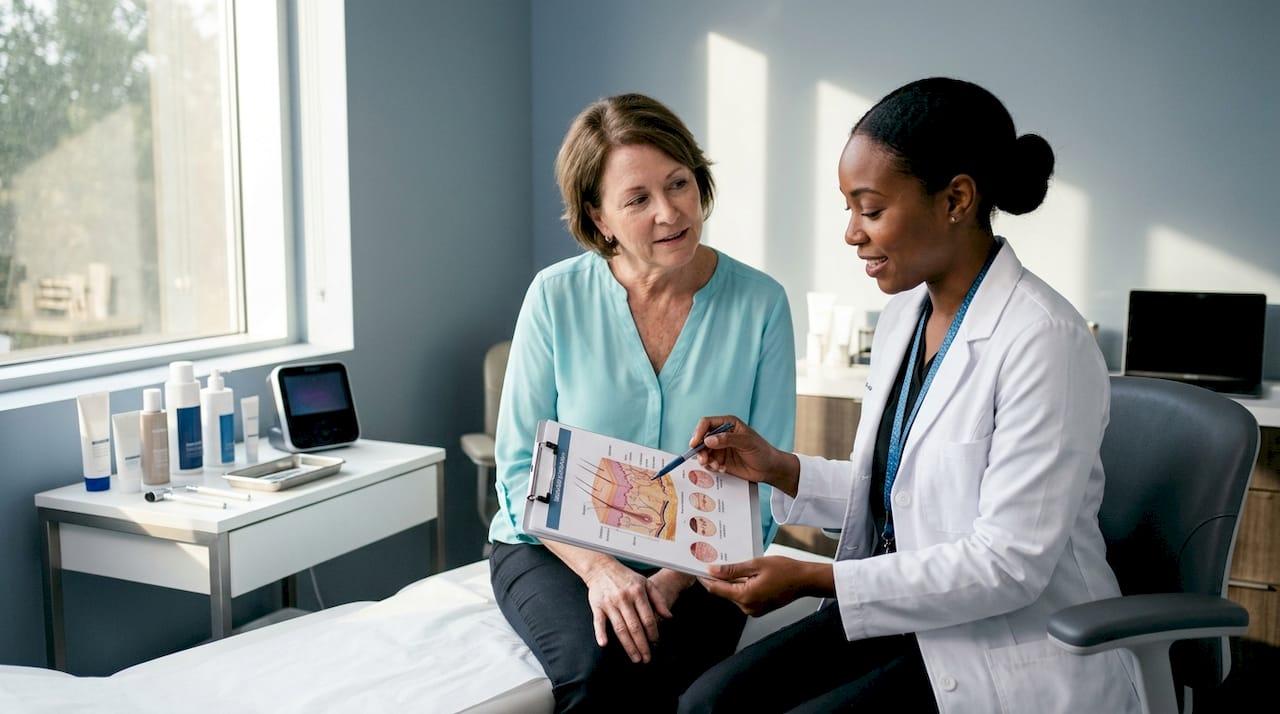
Recognizing the signs you need professional skin consultation is the first step toward protecting both your skin health and your confidence. A professional skin consultation, known in clinical settings as a dermatological or aesthetic skin assessment, covers everything from suspicious moles to persistent dullness that no serum can fix. Clinical guidelines recommend seeking evaluation when a skin concern lasts beyond 1–2 weeks despite consistent over-the-counter treatment. That window matters because early assessment prevents minor issues from becoming complex, costly problems.
1. Signs you need professional skin consultation: persistent or worsening skin changes
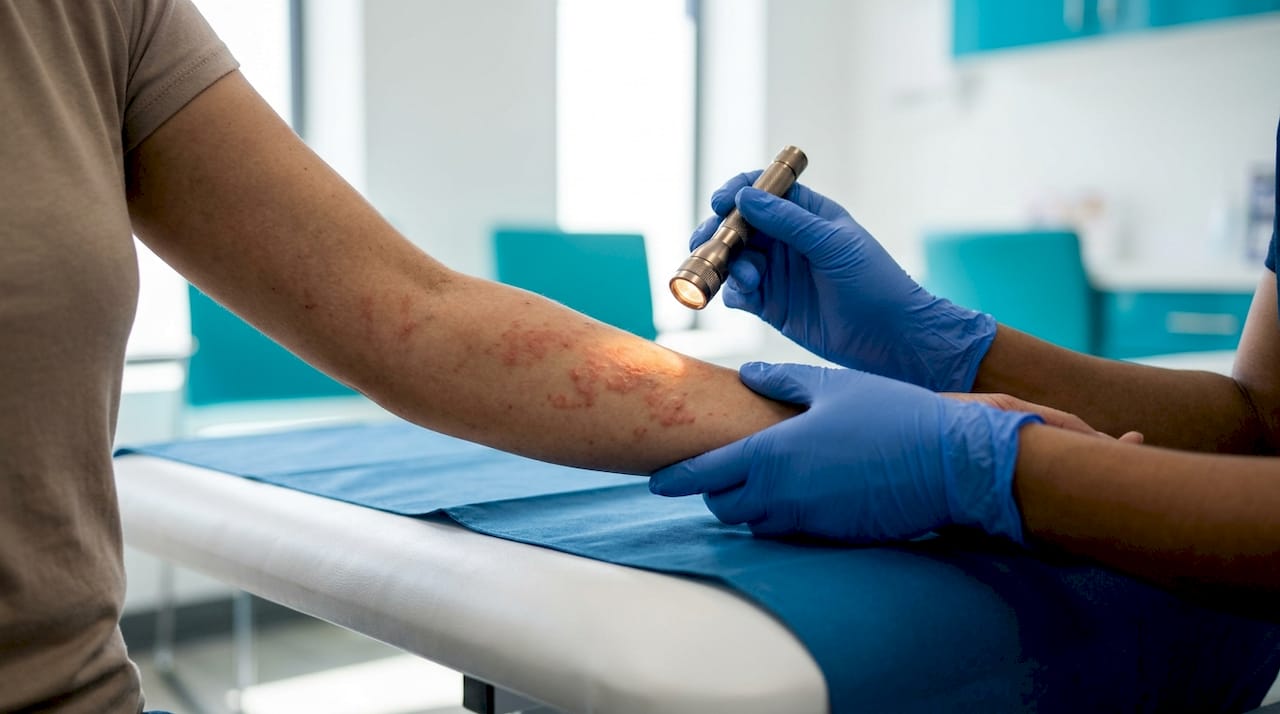
Skin changes that do not resolve within 1–2 weeks are the clearest indicator that self-care is not enough. Over-the-counter products treat surface symptoms. They do not diagnose underlying causes like fungal infections, autoimmune flares, or early skin cancer.
Watch for rashes, patches, or lesions that spread, deepen in color, or cause increasing discomfort despite consistent home treatment. A dermatologist can identify the root cause and prescribe targeted therapy. Waiting longer than two weeks increases the risk of scarring, infection, or delayed cancer detection.
2. Suspicious moles or spots following ABCDE criteria
The ABCDE rule is the gold standard for identifying moles that need professional review. Each letter stands for a specific warning sign: Asymmetry, Border irregularity, Color variation, Diameter larger than 6mm, and Evolving appearance. Moles showing ABCDE signs or any spot that bleeds, itches, or fails to heal require immediate professional evaluation.
Early diagnosis through skin cancer screening dramatically reduces treatment complexity. A dermatologist can perform a dermoscopy exam, a non-invasive technique that magnifies and illuminates skin structures invisible to the naked eye.
Pro Tip: Photograph suspicious moles monthly in the same lighting and angle. Consistent photos make it far easier for a professional to assess change over time.
3. The “Ugly Duckling” rule: when a spot looks out of place
Most people know the ABCDE criteria, but fewer know the Ugly Duckling rule. This clinical indicator flags spots that look distinctly different from all other moles on your body, even if they do not technically meet ABCDE criteria. MD Anderson Cancer Center uses this rule as a complementary screening tool for early skin cancer detection.
If one spot simply does not match the others, that difference alone justifies a professional checkup. Trust your instinct when something looks wrong. A skin professional can confirm or rule out concern in a single appointment.
4. Painful, bleeding, or non-healing skin spots
Any skin spot that bleeds without injury, causes persistent pain, or refuses to heal after several weeks is a red flag for skin consultation. These symptoms can indicate basal cell carcinoma, squamous cell carcinoma, or a serious infection. None of these conditions improve with moisturizer or topical antibiotic cream alone.
Non-healing wounds are particularly deceptive because they can look minor on the surface. A professional assessment includes a full visual exam and, when needed, a biopsy to confirm or rule out malignancy. Do not wait for pain to intensify before booking an appointment.
5. Signs of skin infection spreading beyond the original site
Redness, warmth, swelling, and pus at a skin site signal active infection. When those signs spread outward from the original area, the infection is advancing and needs medical attention fast. Cellulitis, a bacterial skin infection, can spread to deeper tissue and the bloodstream if left untreated.
Topical antiseptics cannot reach deep-tissue infections. A physician or dermatologist will assess whether oral or intravenous antibiotics are needed. Speed matters here. A spreading infection that takes 48 hours to treat is far easier to manage than one that has progressed for a week.
6. Chronic skin conditions affecting sleep or daily life
Eczema, psoriasis, and rosacea are chronic conditions that cycle through flares and remissions. When a flare disrupts sleep, causes constant itching, or affects your ability to work or socialize, that is a clear symptom requiring skin assessment. Annual skin cancer screenings are also recommended for adults with a history of heavy sun exposure, numerous moles, or a family history of skin cancer.
A professional can adjust your treatment plan, prescribe prescription-strength options, and identify triggers you may have missed. Managing a chronic condition without professional guidance often leads to overuse of topical steroids and long-term skin thinning.
7. Cosmetic concerns that home care cannot resolve
Persistent dull or tired-looking skin that does not respond to home care warrants professional consultation for effective, personalized treatment. This is not vanity. Unresponsive skin often signals an underlying issue, whether that is a compromised moisture barrier, hormonal changes, or early photoaging.
Visible fine lines, stubborn pigmentation, melasma, and enlarged pores all fall into this category. Severe or persistent acne, uneven skin tone, and signs of aging frequently need professional-grade products and procedures that go well beyond what drugstore shelves offer. An aesthetic skin professional can map your skin type, identify contributing factors, and build a treatment plan that actually works.
Pro Tip: Before your cosmetic consultation, stop using active ingredients like retinol, AHAs, and BHAs for 48 hours. This gives the professional a clearer baseline view of your skin.
8. Skin anxiety causing significant stress or sleep loss
A skin change that causes significant anxiety or sleep loss justifies a professional visit, even if the condition turns out to be completely benign. The reassurance alone has real clinical value. Chronic worry about a skin change activates the stress response, which can actually worsen inflammatory skin conditions like acne and eczema.
Professionals do not judge the severity of your concern. Their role includes managing patient expectations and providing clear, evidence-based explanations. Knowing what something is, and what it is not, removes the mental burden that keeps people up at night.
Skin anxiety that disrupts sleep or concentration is a valid reason to book an appointment.
A professional diagnosis replaces misinformation from online searches with accurate, personalized information.
Even a benign result provides a documented baseline for future comparison.
Cosmetic concerns that affect your confidence are equally valid. Non-medical cosmetic consultations are encouraged as proactive skin health maintenance.
9. You have not had a professional skin check in over a year
Yearly professional skin exams are the standard of care for adults with risk factors. Risk factors include fair skin, a history of sunburns, more than 50 moles, a personal or family history of skin cancer, or regular use of tanning beds. Skipping annual checks means changes go undetected until they are harder to treat.
Even without risk factors, a baseline skin exam in your late 20s or early 30s creates a reference point. Professionals photograph and map moles so future changes are immediately visible. Exercise and lifestyle habits also influence skin health in ways that a professional can factor into your care plan.
10. Your current skincare routine has stopped working
A skincare routine that worked well for two years and suddenly stops delivering results is a signal worth taking seriously. Skin changes with age, hormones, seasons, and stress. What worked at 28 may actively irritate skin at 38. Bringing photos of your skincare products and documenting skin changes before your consultation reduces diagnostic time and improves accuracy.
Differentiating between a medical dermatologist and an aesthetic skin professional helps you target the right consultation. A dermatologist handles medical diagnoses and prescriptions. An aesthetic provider like Luxveritae specializes in personalized treatment plans, cosmetic procedures, and skin rejuvenation. Knowing which type of professional you need saves time and gets you to the right solution faster.
Pro Tip: Write down the duration of each symptom, any known triggers, and every product you have used in the past three months. This list turns a 45-minute appointment into a focused, productive session.
Key takeaways
The clearest signs you need professional skin consultation are persistent skin changes, suspicious moles, cosmetic concerns unresponsive to home care, and skin anxiety that disrupts daily life.
Point | Details |
The 1–2 week rule | Seek professional evaluation for any skin concern that does not improve within 1–2 weeks of consistent home treatment. |
ABCDE and Ugly Duckling | Use both criteria to identify moles or spots that need urgent professional review before they progress. |
Cosmetic signs count | Dullness, pigmentation, and acne unresponsive to over-the-counter products are valid reasons to book a skin assessment. |
Mental impact matters | Skin anxiety that affects sleep or confidence justifies a professional visit, even when the condition is benign. |
Preparation improves outcomes | Bring product photos, document symptom history, and avoid active ingredients 24–48 hours before your appointment. |
What I have learned from watching people wait too long
The most common mistake I see is people convincing themselves their concern is not serious enough to mention. They spend months cycling through drugstore products, reading conflicting advice online, and hoping the problem resolves itself. By the time they book an appointment, what could have been a 20-minute consultation has become a multi-step treatment plan.
The fear of wasting a professional’s time is real, but it is also unfounded. Skin professionals expect the full range of concerns, from a mole that turned out to be a freckle to a patch of skin that looked minor but needed immediate attention. I have never seen a professional dismiss a concern that mattered to the person sitting in front of them.
What I find most telling is the relief people feel after a professional gives them a clear answer. That relief is not a side effect of treatment. It is the result of replacing uncertainty with information. Skin health is not a luxury category. It sits at the intersection of physical health, mental well-being, and self-confidence, and it deserves the same proactive attention you give to dental checkups or annual physicals.
My practical advice: start documenting now. Take a photo of any spot or area that concerns you, note the date, and track any changes. That habit costs nothing and gives a professional exactly what they need to help you efficiently. Early action is always the better choice, whether the concern turns out to be minor or not.
— Lux
Personalized skin care at Luxveritae
Luxveritae offers professional skin consultations designed to address both medical-grade concerns and cosmetic goals with equal care and precision. Every assessment starts with a thorough evaluation of your skin type, history, and lifestyle before any treatment is recommended.

Whether you are dealing with stubborn pigmentation, fine lines, or under-eye concerns, Luxveritae’s certified specialists build treatment plans around your specific skin, not a generic protocol. Signature services include BB Glow treatments for an even, luminous complexion and under eye lightening for targeted correction. Book your appointment online and get a clear, professional answer about what your skin actually needs.
FAQ
How long should I wait before seeing a skin professional?
Seek professional evaluation if a skin concern does not improve within 1–2 weeks of consistent over-the-counter treatment. Do not wait longer if the area bleeds, spreads, or causes pain.
What is the ABCDE rule for moles?
The ABCDE rule identifies warning signs in moles: Asymmetry, Border irregularity, Color variation, Diameter over 6mm, and Evolving appearance. Any mole meeting one or more of these criteria needs professional review.
Can I see an aesthetic provider instead of a dermatologist?
Yes, for cosmetic concerns like dullness, pigmentation, and acne, an aesthetic skin professional is the right starting point. A medical dermatologist is the correct choice for suspected infections, non-healing wounds, or suspicious moles.
Is skin anxiety a valid reason to book a consultation?
Skin anxiety that disrupts sleep or daily life is a fully valid reason to seek professional evaluation. A professional diagnosis replaces guesswork with accurate information and provides documented peace of mind.
How do I prepare for my first skin consultation?
Stop using active ingredients like retinol and AHAs 24–48 hours before your appointment, bring photos of your products and any visible skin changes, and write down how long each concern has been present. This preparation gives the professional a clear, accurate baseline to work from.
Recommended
Comments