


Types of Skin Discoloration Treatments: Your Full Guide


Uneven skin tone, dark spots, and patches that seem to appear overnight — skin discoloration is one of the most common concerns people bring to skincare professionals. Yet knowing types of skin discoloration treatments exists is very different from knowing which ones actually work for your specific situation. Melanin overproduction, sun exposure, hormonal shifts, or old acne scars all create different types of discoloration, and each responds to different approaches. This guide breaks down every major treatment category so you can make an informed decision, whether you prefer starting at home or going straight to a clinic.
Table of Contents
Key takeaways
Point | Details |
Match treatment to cause | Sun spots, melasma, and post-inflammatory hyperpigmentation each respond to different treatments. |
Topicals work but take time | Consistent use of the right ingredients for 8 to 12 weeks shows meaningful improvement. |
Professional procedures go deeper | Laser, peels, and microneedling target pigmentation that topicals alone cannot fully correct. |
Natural remedies support, not replace | Plant-based ingredients complement clinical treatments but rarely resolve stubborn discoloration alone. |
Sunscreen is non-negotiable | Daily broad-spectrum SPF 30+ protects any treatment investment and prevents pigmentation from returning. |
How to evaluate types of skin discoloration treatments
Before spending money on serums or booking a procedure, you need to understand what you are treating and what your skin can tolerate. The causes of skin discoloration shape everything about which treatment will actually work.
Identify your discoloration type first. Sun spots (solar lentigines) sit near the skin surface and respond well to IPL and vitamin C. Melasma is hormonally driven and lives deeper in the dermis, making it one of the hardest types to treat. Post-inflammatory hyperpigmentation (PIH) from acne or injury is often more responsive but still needs the right ingredients.
Your skin tone matters enormously for procedural choices. Darker skin tones carry a higher risk of post-treatment hyperpigmentation from aggressive lasers or high-strength peels. Any clinic treatment plan should account for your Fitzpatrick skin type before recommending settings or peel strengths.
Here is what to assess before committing to any treatment plan:
Cause of discoloration: Hormonal, UV-induced, or inflammatory origin determines your treatment category.
Skin sensitivity: Sensitive or reactive skin needs gentler actives and lower-strength peels.
Treatment strength vs. irritation risk: Stronger is not always faster. Overusing strong acids or retinoids can trigger an inflammatory response that worsens dark spots.
Timeline expectations: Topical treatments take weeks. Procedures take multiple sessions.
OTC vs. prescription: Some actives like tretinoin and hydroquinone require a prescription and professional oversight.
Pro Tip: Build your skincare routine around one or two proven actives before adding more. Layering too many brightening ingredients at once is a common mistake that stalls progress.
1. Vitamin C serums
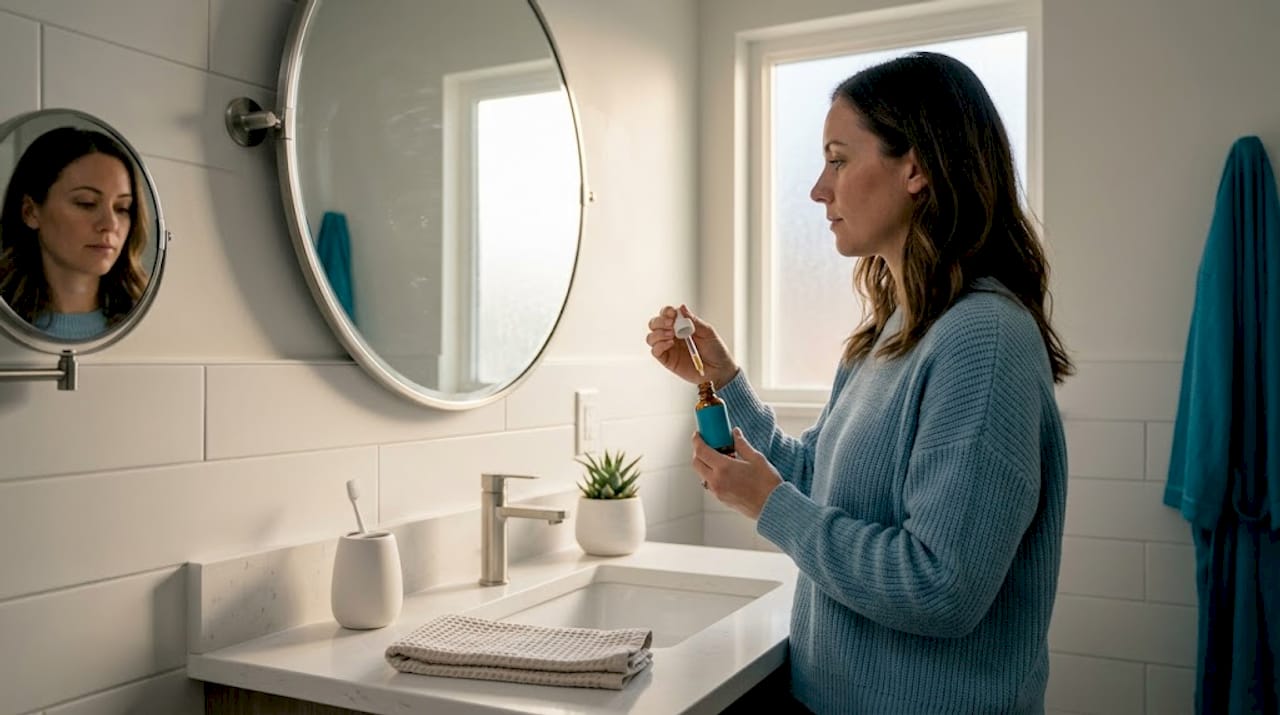
Vitamin C (ascorbic acid) is one of the most studied over-the-counter skin discoloration remedies available. It inhibits the enzyme tyrosinase, which the skin uses to produce melanin, and it delivers antioxidant protection that reduces UV-triggered pigmentation at the same time.
Concentrations between 10% and 20% are effective for most people. Anything above 20% increases irritation without meaningfully improving results. Look for formulas with L-ascorbic acid paired with vitamin E and ferulic acid. The combination significantly extends stability and boosts efficacy. Expect 8 to 12 weeks of consistent morning use before seeing a visible difference in skin tone.
2. Niacinamide
Niacinamide (vitamin B3) works differently from vitamin C. Rather than blocking melanin production, niacinamide reduces melanin transfer to skin cells, which is why it works particularly well for post-inflammatory hyperpigmentation with very low irritation risk.
This makes it one of the best treatments for skin pigmentation in sensitive skin types. Concentrations between 4% and 10% are effective. It pairs well with almost every other ingredient in a routine, including retinoids, peptides, and alpha arbutin. If your skin reacts to most actives, niacinamide is often the first recommendation.
3. Alpha arbutin and kojic acid
Both alpha arbutin and kojic acid inhibit tyrosinase. Alpha arbutin is derived from bearberry and is considered a gentler, more stable alternative to hydroquinone. It works well for mild to moderate sun spots and uneven tone with consistent daily use.
Kojic acid is a fungal byproduct that targets the same enzyme and is found in many brightening products. It can cause mild irritation in higher concentrations, so starting with products containing 1% is wise. These two ingredients are solid middle-ground treatment options for skin spots that sit between basic moisturizers and prescription-strength treatments.
4. Prescription topicals: hydroquinone, tretinoin, and azelaic acid
When over-the-counter options do not move the needle, prescription topicals are the next logical step. Hydroquinone blocks tyrosinase to reduce melanin production and remains one of the most effective single-ingredient topical treatments for hyperpigmentation. It is typically used in 2% to 4% concentrations for 3 to 6 months under dermatologist supervision.
Tretinoin accelerates cell turnover, pushing pigmented cells toward the surface so they shed faster. It also makes other topicals penetrate more effectively. Azelaic acid works on both melanin production and inflammation, making it particularly useful for acne-related discoloration. Cysteamine cream is a newer option that shows strong results with fewer side effects than hydroquinone, though it is less widely available.
Pro Tip: Balanced use of actives rather than stacking multiple prescription-strength ingredients improves long-term outcomes and dramatically reduces the risk of irritation-induced worsening.
5. Chemical peels
Chemical peels remove the outermost layers of skin to reveal fresher, more evenly toned skin beneath. They range from superficial to deep, and the right strength depends on your discoloration type. Glycolic acid peels work well for surface renewal and mild pigmentation, while TCA (trichloroacetic acid) peels target stubborn, deeper discoloration.
Superficial peels use low-concentration glycolic, lactic, or salicylic acids. They require little downtime and can be done in a series of 4 to 6 treatments spaced 2 to 4 weeks apart. Medium-depth peels with TCA produce more dramatic results but involve 5 to 7 days of peeling and redness. They are better suited for moderate sun damage and persistent dark spots that have not responded to topicals.
6. Laser and light-based therapies
Laser treatments are among the most effective clinic treatments for skin problems driven by excess melanin. Q-switched lasers and fractional lasers target melanin directly, breaking pigment into smaller particles that the body clears naturally. IPL (Intense Pulsed Light) is a broad-spectrum light therapy considered a gold standard for sun spots. IPL typically requires 2 to 4 sessions spaced 3 to 4 weeks apart, and it delivers strong results on lighter skin tones.
For deeper or hormonal pigmentation like melasma, fractional lasers work below the surface to remodel skin without damaging the top layer. Professional laser treatments generally require 3 to 6 sessions spaced 3 to 4 weeks apart for optimal pigmentation reduction. Darker skin tones require lower-energy settings and longer intervals between sessions to reduce post-treatment pigmentation risk.
7. Microneedling
Microneedling creates thousands of micro-injuries in the skin using fine needles, triggering controlled healing and collagen production. On its own, it improves texture and mild uneven tone. Where it really outperforms is in combination with brightening serums. Microneedling combined with vitamin C allows serums to penetrate far deeper than surface application alone, dramatically improving pigmentation and skin texture outcomes.
It is a good fit for people who want results without the downtime of deep peels or lasers. A typical course runs 3 to 4 sessions spaced 4 to 6 weeks apart. Side effects are mild: redness and sensitivity for 24 to 48 hours after treatment. It is also generally safer across a wider range of skin tones than laser options.
8. Microdermabrasion
Microdermabrasion is the gentlest of the procedural options. Microdermabrasion delivers gentle mechanical exfoliation for superficial dark spots and texture irregularities with minimal downtime. Think of it as a more powerful, clinic-grade exfoliation that polishes the surface to improve mild discoloration and dullness.
It is not the right tool for deep melasma or severe sun damage, but for people with mild, surface-level uneven tone, it offers a low-risk entry point into professional treatments. It also primes the skin for better absorption of topical brightening agents applied afterward.
9. Natural remedies for dark spots
Natural remedies for dark spots have a legitimate place in a treatment plan, particularly as gentle maintenance tools or for those with highly reactive skin. The key is understanding what they can and cannot do.
Effective natural ingredients include:
Licorice root extract: Inhibits tyrosinase and reduces UV-induced pigmentation without irritation.
Turmeric: Contains curcumin, which has anti-inflammatory and mild melanin-inhibiting properties.
Green tea extract: Provides antioxidant protection and calms post-inflammatory pigmentation.
Aloe vera: Soothes inflammation and contains aloesin, which may mildly reduce melanin synthesis.
Natural ingredients like licorice root and green tea provide antioxidant and melanin-inhibiting benefits with slow but gentle results. They pair well with clinical treatments as supportive care but should not be the sole strategy for persistent or deep discoloration.
10. Choosing the right treatment for your discoloration type
Every type of skin discoloration treatments has a best-fit use case. The table below summarizes the most popular treatment methods alongside their targets, expected outcomes, and key considerations.
Treatment | Best for | Results timeline | Downtime | Skin tone caution |
Vitamin C serum | Sun spots, general dullness | 8 to 12 weeks | None | Minimal |
Niacinamide | PIH, sensitive skin | 8 to 12 weeks | None | Safe for all tones |
Hydroquinone | Melasma, stubborn dark spots | 6 to 12 weeks | None | Monitor for irritation |
Chemical peel (glycolic) | Surface pigmentation | 4 to 6 sessions | 1 to 3 days | Risk with darker tones |
TCA peel | Deep sun damage | 2 to 4 sessions | 5 to 7 days | Requires caution |
IPL laser | Sun spots, redness | 2 to 4 sessions | Mild, 2 to 3 days | Best for lighter skin |
Fractional laser | Melasma, deep pigment | 3 to 6 sessions | 3 to 5 days | Lower energy for dark skin |
Microneedling | Uneven tone, texture | 3 to 4 sessions | 1 to 2 days | Generally safe |
Microdermabrasion | Mild surface spots | 4 to 8 sessions | None | Safe for most |
Natural remedies | Maintenance, sensitivity | 12+ weeks | None | Very safe |
Combination approaches often deliver the best outcomes. For instance, pairing daily niacinamide with a course of microneedling sessions targets both the melanin transfer pathway and deeper skin remodeling at the same time. Whichever path you take, broad-spectrum SPF 30+ applied daily is non-negotiable. UV exposure will undo virtually any treatment if left unprotected. For a step-by-step look at how to layer these treatments based on your skin type routine checklist, building with the right order of actives matters as much as the ingredients themselves.
My honest take on treating skin discoloration
I’ve seen what happens when people throw every product at a problem at once, and I’ve seen what happens when they commit to a focused routine with realistic expectations. The focused routine wins every time.
What I’ve learned is that the biggest mistake isn’t choosing the wrong ingredient. It’s chasing fast results by adding more products or upping concentrations before the skin has had time to adjust. Overloading your skin with multiple strong actives, thinking more equals faster, almost always triggers inflammation, and inflammation is itself a cause of skin discoloration.
In my experience, the clients who get the best long-term results do a few things consistently. They treat one discoloration driver at a time. They protect their investment with daily sunscreen, without exceptions. And when topicals plateau, they bring in a professional procedure rather than just stacking more products. That is when you see real transformation, not just maintenance.
The hardest part of this work is managing expectations honestly. Even the most effective treatments take time, and melasma in particular can return with hormonal changes or sun exposure regardless of how well it was previously treated. Being realistic about that upfront saves a lot of frustration.
— Lux
Ready to treat your skin discoloration professionally?
At Luxveritae, we build treatment plans around your specific type of discoloration, skin tone, and lifestyle. You are not getting a generic package. You are getting a plan designed for your skin.
Whether you are dealing with stubborn melasma, sun spots, or post-acne pigmentation that topicals haven’t resolved, our team at Luxveritae is trained in both topical and advanced procedural solutions. From our BB Glow treatment for immediate skin tone correction to our full range of professional services, we pair every treatment with expert guidance. Browse our treatment packages to find the right fit, or book your consultation directly online. Your skin deserves a plan that is actually built for it.
FAQ
What are the most effective treatments for skin pigmentation?
The most effective treatments for skin pigmentation combine topical brighteners like hydroquinone or niacinamide with professional procedures such as laser therapy, chemical peels, or microneedling, depending on the cause and depth of the discoloration.
How long does it take to see results from skin discoloration remedies?
Topical remedies typically show visible improvement after 8 to 12 weeks of consistent use, while professional procedures like laser or microneedling may deliver results after 3 to 6 sessions spaced 3 to 4 weeks apart.
Can natural remedies for dark spots replace clinical treatments?
Natural ingredients like licorice root and green tea can support skin brightening and work well for maintenance or sensitive skin, but they rarely resolve moderate to severe discoloration on their own without clinical treatment support.
Is sunscreen really necessary during skin discoloration treatment?
Yes. Daily use of broad-spectrum SPF 30+ is critical during any skin discoloration treatment because UV and visible light both trigger melanin production, which will actively reverse your progress without consistent sun protection.
Which skin discoloration treatments are safest for darker skin tones?
Niacinamide, microneedling, and gentle chemical peels are generally the safest effective skin tone treatments for darker skin tones. Aggressive laser treatments and high-strength peels carry a higher risk of post-inflammatory hyperpigmentation in deeper Fitzpatrick skin types and require an experienced professional.
Recommended
Comments