


Skin Laxity Causes and Treatment Types Explained

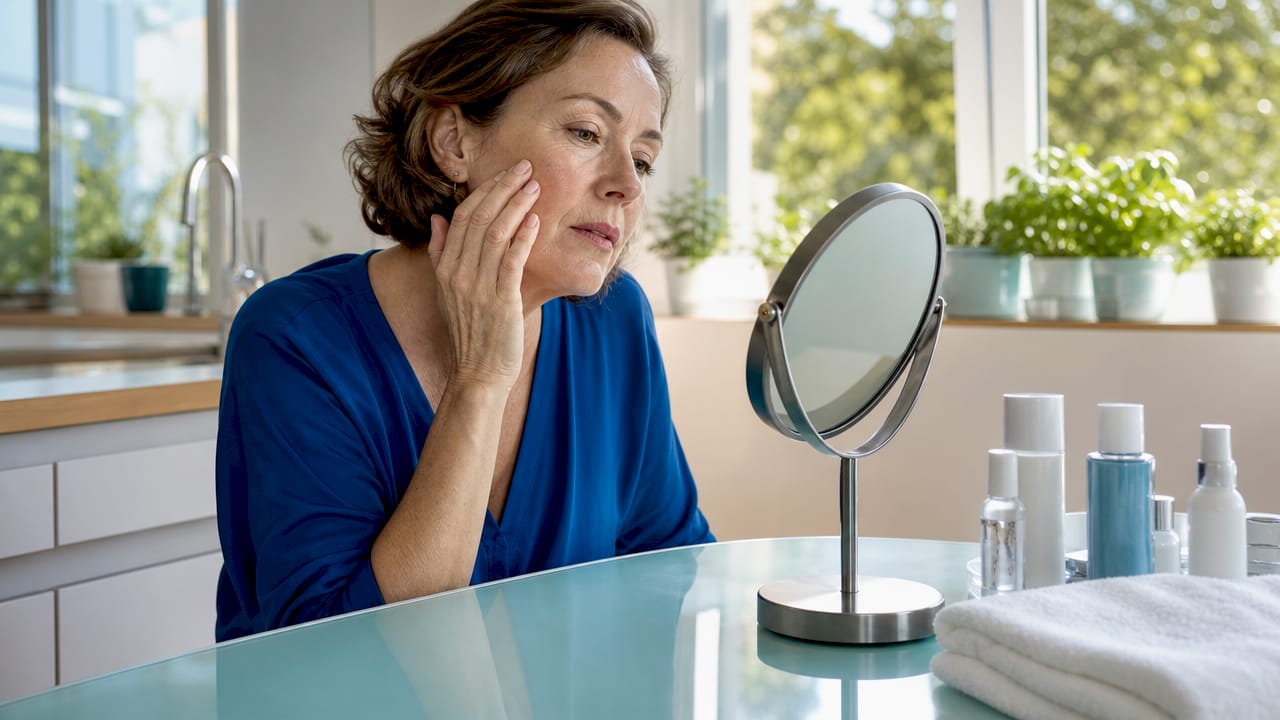
Skin laxity is defined as the loss of firmness and elasticity caused by the breakdown of collagen and elastin in the skin’s structural layers. Both intrinsic aging and extrinsic factors drive this breakdown, and clinical consensus in 2026 classifies causes of skin laxity treatment types by severity, with non-invasive options favored for mild to moderate cases and surgery reserved for advanced laxity. Understanding what triggers sagging skin is the first step toward choosing a treatment that actually works for your face, neck, or body.
1. What are the main causes of skin laxity?
Skin laxity is not just a surface problem. Research views skin laxity as a loss of underlying structural support, including fat volume and tissue scaffolding, not simply a change in the outer skin layer. That distinction matters because it shapes which treatments actually address the root cause.
The major causes include:
Intrinsic aging. Collagen production slows naturally after your mid-20s. The extracellular matrix, the protein network that keeps skin firm, gradually breaks down with age.
Hormonal changes. Women can lose up to 30% of skin collagen within the first five years after menopause. That rate of loss is faster than most people expect and often explains why skin changes feel sudden.
UV radiation. UV rays increase collagen-degrading enzymes and suppress new collagen formation. Years of unprotected sun exposure compound this damage significantly.
Rapid weight loss. Fat loss from GLP-1 medications or other rapid weight reduction can cause noticeable laxity within 3–6 months because the skin cannot contract fast enough to match the shrinking fat volume underneath.
Lifestyle factors. Smoking reduces blood flow and oxygen delivery to skin cells. Chronic stress, poor diet, and pollution all accelerate collagen degradation.
Pro Tip: If you are using a GLP-1 medication for weight loss, start discussing skin support treatments with a provider before significant weight loss occurs. Early intervention produces better results than waiting.
2. What are the non-surgical treatment types for skin laxity?
Non-surgical treatments for sagging skin work by stimulating the body’s own collagen and elastin production. They are best suited for mild to moderate laxity and typically require a series of sessions rather than a single appointment.

Topical retinoids
Prescription retinoids are among the most studied collagen stimulators available without surgery. They promote new collagen synthesis and accelerate epidermal cell turnover. Results are gradual, typically visible after 12 weeks of consistent use, and work best as a foundation for other treatments.
Energy-based treatments
Radiofrequency, laser resurfacing, and focused ultrasound all use heat energy to trigger collagen remodeling deep in the skin. Radiofrequency heats the dermis to contract existing collagen and stimulate new fiber growth. Focused ultrasound reaches deeper tissue layers, making it effective for the neck and brow area. These treatments are usually delivered in a series of 2–4 sessions spaced weeks apart.
Radiofrequency microneedling
Radiofrequency microneedling combines micro-injuries with heat energy to stimulate collagen and elastin production in both the face and body. The micro-channels created by the needles allow radiofrequency energy to penetrate precisely into the dermis. Results depend heavily on the operator’s skill and the device settings used. You can explore non-surgical skin options to understand which energy-based approach fits your skin type.
Bio-activator injections
Bio-activator injections use substances that trigger the skin’s own repair response rather than filling volume. Sessions typically run 10–15 minutes, with three sessions recommended for optimal results. Effects become visible a few weeks after the second session, making patience a requirement with this approach.
Combination therapies
Pairing two or more modalities, such as radiofrequency with bio-activators, often produces better results than any single treatment alone. A skilled provider will sequence treatments to maximize collagen remodeling without overwhelming the skin’s recovery capacity.
Pro Tip: Ask your provider for before-and-after photos from their own clients, not stock images, before committing to any energy-based treatment. Operator proficiency varies widely and directly affects your outcome.
3. What surgical options exist for advanced skin laxity?
Surgery remains the gold standard when laxity is advanced and excess skin is present. Non-surgical treatments stimulate collagen, but they cannot remove or physically reposition skin that has significantly stretched beyond its elastic recovery point.
Key surgical options include:
Facelift (rhytidectomy). Addresses moderate to severe laxity of the lower face and jowls. A skilled surgeon repositions underlying facial tissue, not just the skin, for results that look natural rather than pulled.
Neck lift. Targets loose skin and banding in the neck, often combined with a facelift for a consistent result across the lower face and jaw.
Brow lift. Corrects sagging in the forehead and upper face, which can make the eyes appear heavy or tired.
Body contouring surgery. After significant weight loss, procedures like arm lifts, thigh lifts, and abdominoplasty remove excess skin that no energy-based device can address.
Surgical lifts deliver the most dramatic results for advanced laxity, but recovery typically runs two to four weeks before returning to normal activity. Surgery is not the starting point. It is the right choice when structural excess skin is the primary problem and collagen stimulation alone will not close the gap. For a clear comparison of where surgical and minimally invasive options diverge, the soft surgery overview at Luxveritae breaks it down well.
4. How to choose the right treatment based on severity
Matching treatment to severity is the most important decision in how to treat skin laxity effectively. Choosing a treatment that is too mild for your degree of laxity wastes time and money. Choosing surgery when non-invasive options would work adds unnecessary risk and recovery.
Severity | Recommended treatment class | Invasiveness | Typical recovery |
Mild | Retinoids, topical collagen boosters | None | None |
Mild to moderate | Radiofrequency, focused ultrasound, bio-activators | Minimal | 1–3 days |
Moderate | Radiofrequency microneedling, laser resurfacing | Minimally invasive | 3–7 days |
Advanced | Surgical lifts, body contouring | Surgical | 2–4 weeks |
Age and hormonal status also shape the plan. A woman in her early 50s experiencing post-menopausal collagen loss may benefit from combining energy-based treatments with hormonal support discussed with her physician. Skin area matters too. The neck and décolletage respond differently than the face, and body skin requires higher energy settings than facial skin.
Pro Tip: Preventing skin laxity is far easier than reversing it. Starting broad-spectrum SPF 30 or higher daily in your 30s, combined with a retinoid, is the most cost-effective long-term strategy available.
Sunscreen is not optional maintenance. Routine broad-spectrum SPF application directly reduces UV-induced collagen damage, which is the leading extrinsic cause of premature laxity. Understanding skin photoaging helps clarify exactly how UV exposure accelerates this process over time.
5. What lifestyle measures support skin laxity treatments?
Treatments work best when the body has the raw materials to build new collagen. Lifestyle choices either support or undermine that process.
Vitamin C. The skin requires vitamin C to synthesize collagen. Consistent dietary intake from citrus, bell peppers, and leafy greens, combined with a topical vitamin C serum, supports collagen production at both the systemic and local level.
Protein intake. Collagen is a protein. Adequate daily protein from whole food sources gives the body the amino acids it needs for skin repair and remodeling after treatments.
Avoid smoking. Smoking constricts blood vessels and reduces oxygen delivery to skin tissue. It directly counteracts the collagen-stimulating effects of any treatment you invest in.
Limit UV exposure. Wearing SPF daily and avoiding peak sun hours between 10 a.m. and 2 p.m. slows ongoing collagen degradation between treatment sessions.
Sleep and stress management. Cortisol, the primary stress hormone, breaks down collagen. Consistent sleep of seven to nine hours per night reduces cortisol and supports skin repair cycles that occur during deep sleep.
Hydration and barrier care. A well-hydrated skin barrier responds better to treatments and recovers faster. Use a moisturizer with ceramides or hyaluronic acid to maintain barrier integrity, especially after energy-based procedures.
A mature skin care approach that combines these lifestyle factors with professional treatments consistently outperforms either approach used alone.
Key takeaways
Treating skin laxity effectively requires matching the right treatment type to the underlying cause and severity, supported by consistent lifestyle habits that protect and build collagen.
Point | Details |
Collagen loss drives laxity | Both aging and hormonal shifts accelerate collagen breakdown, making early intervention more effective. |
Severity determines treatment class | Mild laxity responds to retinoids and energy devices; advanced laxity with excess skin requires surgery. |
Operator skill affects outcomes | Radiofrequency microneedling results depend heavily on provider proficiency, so vet your provider carefully. |
Lifestyle amplifies results | Daily SPF, adequate protein, and avoiding smoking directly support collagen synthesis between treatments. |
Rapid weight loss needs early planning | GLP-1-related fat loss can cause visible laxity within 3–6 months; proactive skin support reduces severity. |
What I have learned treating skin laxity at every stage
Most people come in focused on the surface. They want to know which device or injection will tighten their skin. What they often do not realize is that the skin they see is the last thing to change. The real work happens in the dermis and the tissue scaffolding underneath.
The cases that get the best results are the ones where the person understands that skin laxity is a structural issue, not a cosmetic inconvenience. When someone comes in with a clear picture of their causes, whether that is post-menopausal collagen loss, years of sun exposure, or rapid weight loss from a GLP-1 medication, the treatment plan becomes much more targeted and the results hold longer.
The rapid weight loss trend has changed what I see in consultations. Clients in their 40s and 50s are experiencing laxity at a pace that used to be associated with much older patients. The skin simply cannot keep up with fast fat volume loss. Starting skin support treatments early in that process, rather than after the fact, makes a real difference.
My honest advice: do not chase the newest device. Chase the most skilled provider using a proven method. The signs of skin aging are treatable at almost every stage, but the quality of the person delivering the treatment matters more than the brand name on the machine.
— Lux
Personalized skin laxity care at Luxveritae
Luxveritae offers a range of non-surgical and advanced skin treatments designed for adults who want real, lasting results without guessing which option is right for them.

Every client at Luxveritae starts with a personalized consultation that maps their specific causes of laxity to the right treatment sequence. From bio-activator sessions and energy-based skin tightening to specialized care for delicate areas, the approach is always built around your skin, not a one-size-fits-all protocol. Ready to find out which treatment fits your skin and goals? Book your assessment and get a plan that is specific to you. You can also review the full treatment packages to see what fits your timeline and budget.
FAQ
What is skin laxity and what causes it?
Skin laxity is the loss of skin firmness and elasticity caused by the breakdown of collagen and elastin. Intrinsic aging, hormonal changes, UV exposure, and rapid weight loss are the primary drivers.
Can non-surgical treatments really tighten sagging skin?
Yes, for mild to moderate laxity. Radiofrequency, focused ultrasound, and radiofrequency microneedling stimulate collagen remodeling and produce measurable tightening over a series of sessions.
How many sessions does a bio-activator treatment require?
Three sessions of 10–15 minutes each are typically recommended, with visible results appearing a few weeks after the second session.
When is surgery the better option for skin laxity?
Surgery is the better option when laxity is advanced and excess skin is present. Collagen-stimulating treatments cannot remove or reposition skin that has stretched beyond its elastic recovery point.
What is the best daily habit for preventing skin laxity?
Daily broad-spectrum SPF application is the single most effective preventive measure. It reduces UV-induced collagen degradation, which is the leading extrinsic cause of premature sagging.
Recommended
Comments