


Signs of Skin Aging Treatment Options That Actually Work

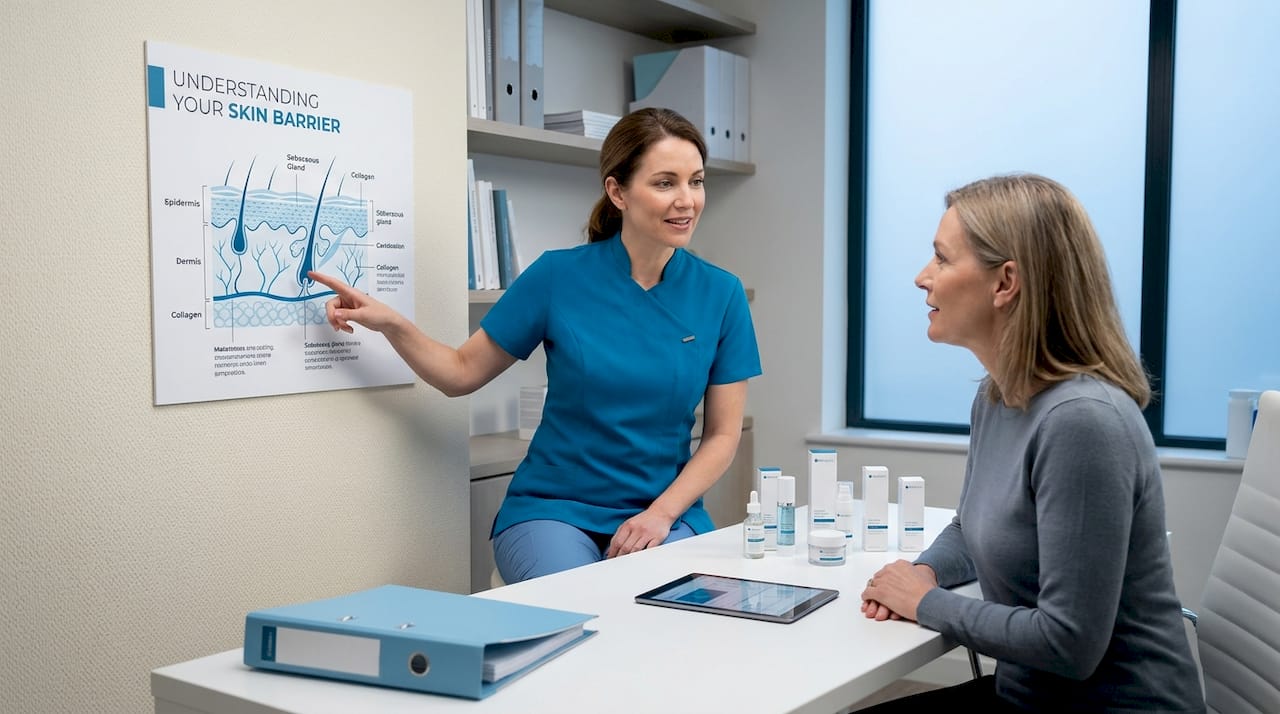
Signs of skin aging treatment options span four distinct categories: preventive measures, topical agents, energy-based devices, and injectables. Each category targets specific aging signs such as fine lines, pigmentation changes, and skin laxity with different timelines and levels of clinical evidence. The most effective approach combines multiple modalities rather than relying on a single product or procedure. Skin aging is regulated by both intrinsic genetics and extrinsic environment, which means no single treatment addresses every visible change. Understanding which option matches your specific concern is the first step toward results you can actually see.
1. Signs of skin aging treatment options: what you’re actually treating
Before choosing any treatment, you need to identify what you are treating. Practitioners classify aging signs into surface-level changes and deeper structural changes, and the distinction determines which therapies will work. Surface signs include fine lines, uneven pigmentation, rough texture, and dullness. Deeper signs include volume loss, sagging skin, and deep-set wrinkles caused by collagen breakdown.
Photoaging features include fine and coarse wrinkles, rough texture, and mottled pigmentation, all of which are largely driven by cumulative UV exposure. This means a significant portion of visible aging is preventable and treatable once you understand its origin. Topical agents and peels address surface signs well. Lasers, ultrasound, and injectables reach the deeper structural layer where topicals cannot.
2. Topical treatments: retinoids, AHAs, and antioxidants
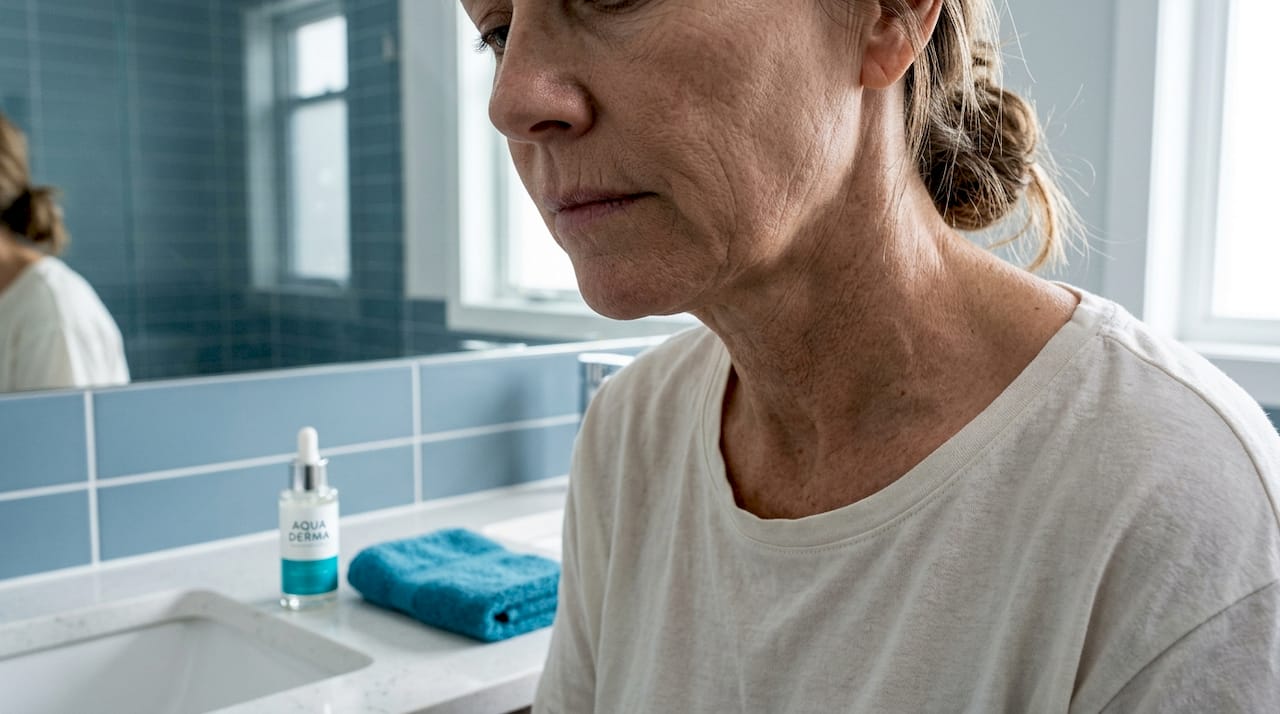
Topical therapy is the most accessible entry point for anyone starting to notice early aging signs. Tretinoin, the prescription-strength form of vitamin A, is the most clinically validated topical anti-aging agent available. It works by accelerating cell turnover, stimulating collagen production, and fading hyperpigmentation over time.
Tretinoin lightens dark spots and reduces fine wrinkles but requires consistent use with daily sun protection for more than 12 weeks before visible improvement appears. That timeline surprises most people who expect faster results. Irritation typically peaks in the first three weeks of use, which is the most common reason people abandon the regimen too early.
Managing early irritation with a fragrance-free moisturizer and gradual dosing significantly improves long-term compliance. Starting with every-other-night application and building to nightly use over four to six weeks reduces the initial dryness and flaking. Alpha hydroxy acids such as glycolic acid and lactic acid complement tretinoin by exfoliating dead surface cells and improving skin texture. Antioxidants like vitamin C serums protect against ongoing oxidative damage and brighten uneven tone.
Topical treatments improve surface-level signs effectively but do not address deeper structural changes like significant volume loss or pronounced laxity. Think of them as the foundation of your regimen, not the complete solution.
Pro Tip: Apply tretinoin to completely dry skin, at least 20 minutes after washing. Applying to damp skin increases absorption and dramatically increases irritation risk.
3. Energy-based therapies: lasers, ultrasound, and chemical peels
Energy-based treatments reach deeper than any topical product and produce measurable structural changes in the skin. This category includes fractional lasers, the 675 nm laser, microfocused ultrasound, and chemical peels, each working through a different biological mechanism.
The 675 nm laser stimulates fibroblast collagen synthesis while microfocused ultrasound induces dermal neocollagenesis through thermal coagulation zones. These are complementary mechanisms, which is why combining them produces superior results. A 2026 retrospective study found that a combined 675 nm laser and ultrasound protocol reduced wrinkle scores from 1.88 to 1.13 and laxity scores from 2.78 to 1.55 at six months. Neither modality alone achieved the same outcome, which confirms that multi-device protocols outperform single-device approaches for moderate to advanced aging signs.
The fractional Q-switched Nd:YAG 1064 nm laser offers a strong option for patients who cannot tolerate downtime. In a study of 36 female subjects, 72.2% reported “much improved” skin quality at three months with zero downtime and a pain-free experience. That level of patient satisfaction with no recovery period makes it a practical choice for working adults. Chemical peels using trichloroacetic acid or glycolic acid address pigmentation and surface texture but require more recovery time depending on peel depth.
Treatment | Sessions needed | Recovery time | Best for |
Fractional Nd:YAG laser | 3-6 | Zero downtime | Wrinkles, skin quality |
675 nm laser + ultrasound | 2-4 | Minimal (1-2 days) | Wrinkles and laxity combined |
Microfocused ultrasound | 1-2 | None to minimal | Skin laxity and lifting |
Medium chemical peel | 1-3 | 5-7 days | Pigmentation and texture |
Pro Tip: Device-based collagen remodeling requires time post-treatment for maximal effect. Do not judge results at four weeks. The full clinical outcome typically appears between one and six months after your final session.
4. Injectables and fillers: volume, wrinkles, and natural-looking results
Injectables address the structural changes that topicals and energy devices cannot fully correct. Botulinum toxins such as Botox and Dysport relax the muscles responsible for expression lines, smoothing crow’s feet, forehead lines, and frown lines. Dermal fillers improve facial contours and restore volume in areas like the cheeks, temples, and nasolabial folds, while botulinum toxins relax muscles to smooth expression lines. Both require repeat sessions to maintain results.
Fillers work best for volume loss and deep static lines that remain visible even when your face is at rest. Botulinum toxins work best for dynamic lines that appear with movement. The two are frequently combined in the same treatment session for comprehensive facial rejuvenation.
Pros of injectables:
Immediate visible results in most cases
No surgical recovery required
Highly customizable to individual facial anatomy
Complement laser and topical treatments effectively
Cons of injectables:
Results are temporary, requiring maintenance every three to twelve months
Bruising and swelling are common in the first few days
Require a skilled, licensed provider to avoid unnatural results
Cost accumulates over time with repeat sessions
Injectables are not a replacement for topical or energy-based care. They address a different layer of aging and work best as part of a broader treatment plan rather than a standalone solution.
5. How to choose and combine treatments for your specific aging signs
Choosing the right combination of treatments starts with identifying your primary concern and your skin’s current condition. A personalized approach to skin rejuvenation that accounts for skin type, lifestyle, and budget consistently outperforms generic protocols.
Follow this stepwise approach to build your treatment plan:
Identify your primary concern. Pigmentation, fine lines, laxity, and volume loss each respond to different treatments. Prioritize the sign that bothers you most.
Start with prevention. No active treatment works well without daily broad-spectrum SPF 30 or higher. This is non-negotiable.
Add a topical foundation. Tretinoin or a retinol alternative addresses surface texture and pigmentation while you pursue other treatments.
Layer in energy-based therapy. For moderate wrinkles or laxity, a fractional laser or combined laser-ultrasound protocol produces structural improvement that topicals cannot.
Consider injectables for volume and dynamic lines. If hollowing or expression lines are your primary concern, injectables deliver the most targeted correction.
Reassess at three months. Skin remodeling takes time. Evaluate your regimen after a full cycle before making changes.
Skin type matters significantly in this process. Darker skin tones require laser settings and peel depths calibrated to reduce the risk of post-inflammatory hyperpigmentation. A skin types treatment checklist helps match modalities to your specific complexion and concerns before you commit to a protocol.
6. Preventive strategies that make every treatment work better
Prevention is not a passive strategy. It is the single most evidence-based intervention available for long-term skin health, and it amplifies the results of every active treatment you add.
Sun avoidance and sunscreen use remain the primary, evidence-based prevention method for photoaging. Applying a broad-spectrum SPF 30 or higher every morning, regardless of cloud cover or indoor plans, prevents new UV damage from undoing the progress made by your treatments. Reapplication every two hours during outdoor exposure is the standard that dermatologists recommend.
Beyond sunscreen, these lifestyle factors directly affect how your skin ages:
Smoking cessation: Smoking accelerates collagen breakdown and causes characteristic perioral lines. Stopping smoking at any age slows this process.
Hydration: Adequate water intake supports skin barrier function and reduces the appearance of fine lines caused by dehydration.
Nutrition: Diets rich in antioxidants from fruits, vegetables, and omega-3 fatty acids from sources like salmon and walnuts reduce oxidative stress in skin tissue.
Sleep: Skin repairs itself during deep sleep cycles. Chronic sleep deprivation elevates cortisol, which degrades collagen over time.
Routine skincare: A consistent skincare routine for your skin type maintains the skin barrier and supports the results of active treatments between sessions.
Pro Tip: Pair your morning SPF with a vitamin C serum applied underneath. Vitamin C neutralizes free radicals that sunscreen alone does not block, giving you two layers of antioxidant defense against UV-driven aging.
Key takeaways
Effective treatment for signs of skin aging requires combining prevention, topical therapy, and professional procedures matched to your specific aging signs and skin type.
Point | Details |
Prevention is foundational | Daily broad-spectrum SPF prevents new photoaging and protects all active treatment results. |
Tretinoin requires patience | Results take more than 12 weeks; manage irritation with moisturizer and gradual dosing. |
Combined devices outperform single treatments | The 675 nm laser plus microfocused ultrasound produced superior wrinkle and laxity results at 6 months. |
Injectables fill the structural gap | Botulinum toxins and dermal fillers address volume loss and dynamic lines that topicals cannot reach. |
Personalization drives outcomes | Matching treatment to your specific aging signs, skin type, and lifestyle produces better results than any generic protocol. |
What I’ve learned from watching clients chase quick fixes
The most common mistake I see is treating skin aging as a problem to solve once rather than a process to manage consistently. Clients arrive expecting one laser session or one filler appointment to deliver permanent results. That expectation sets them up for disappointment and, often, for abandoning treatments that would have worked beautifully with time.
The evidence is clear that multimodal treatments addressing oxidative stress, inflammation, and collagen metabolism provide superior results. But the clinical data also shows that those results take months to fully appear. The fractional Nd:YAG study showed peak improvement at three months. The combined laser-ultrasound protocol showed its best numbers at six months. Patience is not a soft recommendation. It is a clinical requirement.
What I tell every client is this: start with sunscreen and a retinoid, commit to both for at least three months, and then layer in professional treatments from there. That sequence builds a foundation that makes every subsequent treatment more effective and longer-lasting. Skipping the foundation and jumping straight to injectables or lasers is like painting a wall without priming it. The results look fine at first and fade faster than they should.
The other thing worth saying plainly is that not every product marketed as anti-aging delivers meaningful results. Many anti-aging product claims lack strong clinical evidence, and the gap between marketing language and peer-reviewed outcomes is wide. Tretinoin, broad-spectrum SPF, and professionally delivered energy-based treatments have the evidence. Most shelf products do not. Spend your money where the science is.
— Lux
Discover personalized skin rejuvenation at Luxveritae
Luxveritae offers a curated range of professional skin rejuvenation treatments designed for exactly the concerns covered in this article. Whether you are addressing early fine lines, uneven pigmentation, or more advanced laxity, the team at Luxveritae builds treatment plans around your skin, not a one-size-fits-all menu.
From signature BB Glow treatments that restore radiance to advanced energy-based protocols and paramedical techniques, every service is calibrated to deliver results that look natural and last. You can also explore treatment packages designed to combine modalities for maximum effect. Book a consultation directly online and get a personalized plan built around your goals, timeline, and skin type.
FAQ
What are the first signs of skin aging to treat?
Fine lines around the eyes and mouth, uneven pigmentation, and slight texture changes are typically the earliest signs. Topical retinoids and daily SPF address these surface-level changes most effectively when started early.
How long do anti-aging treatments take to show results?
Topical treatments like tretinoin require more than 12 weeks of consistent use for visible improvement. Energy-based treatments such as fractional lasers show peak results between one and six months after the final session.
Are non-surgical skin treatments effective for laxity?
Yes. Microfocused ultrasound and the 675 nm laser both stimulate collagen remodeling and have shown measurable laxity reduction in clinical studies, with the combined protocol producing the strongest outcomes at six months.
Can I combine topical treatments with laser or injectable therapies?
Combining treatments is the standard of care for comprehensive skin rejuvenation. Topicals address surface signs while lasers and injectables target deeper structural changes, and the two approaches reinforce each other’s results.
What is the most important preventive measure for skin aging?
Daily broad-spectrum sunscreen is the most evidence-based preventive measure available. UV exposure is the primary driver of photoaging, and consistent SPF use prevents new damage while protecting the results of all active treatments.
Recommended
Comments