


How Topical Treatments Rejuvenate Skin: 2026 Guide

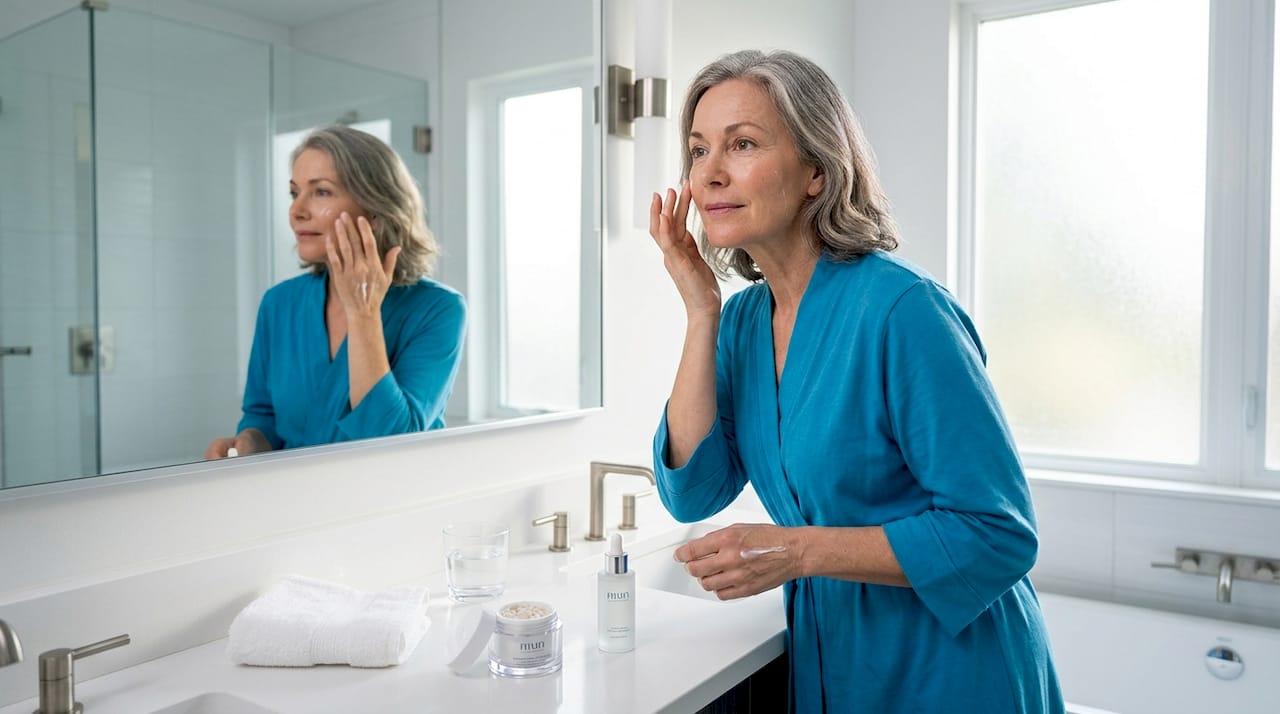
Most people expect topical treatments to work like a light switch. Apply it, wait a few days, see results. The reality of how topical treatments rejuvenate skin is far more interesting than that. Rather than forcing change on your skin, the best topical products work with your skin’s own repair machinery, signaling cells to produce collagen, rebuild the barrier, and neutralize oxidative damage. Once you understand this, the entire category of skin rejuvenation products makes far more sense, and you can start choosing with real confidence.
Table of Contents
Key Takeaways
Point | Details |
Topicals signal, not force | The most effective ingredients activate your skin’s own repair pathways rather than causing irritation. |
Delivery systems matter | Advanced formulations like nano-lipid carriers drive actives deeper, making the same ingredient significantly more effective. |
Timing around procedures is critical | Retinoids and acids must be paused post-procedure; barrier-support ingredients like ceramides and peptides are safe throughout. |
Patience is non-negotiable | Visible improvements in texture and radiance begin at 4 to 6 weeks, with structural changes taking 8 to 12 weeks or longer. |
Stacking home care with clinical treatments | Combining daily topical routines with periodic procedures addresses both surface aging and deeper collagen loss. |
How topical treatments biologically rejuvenate skin
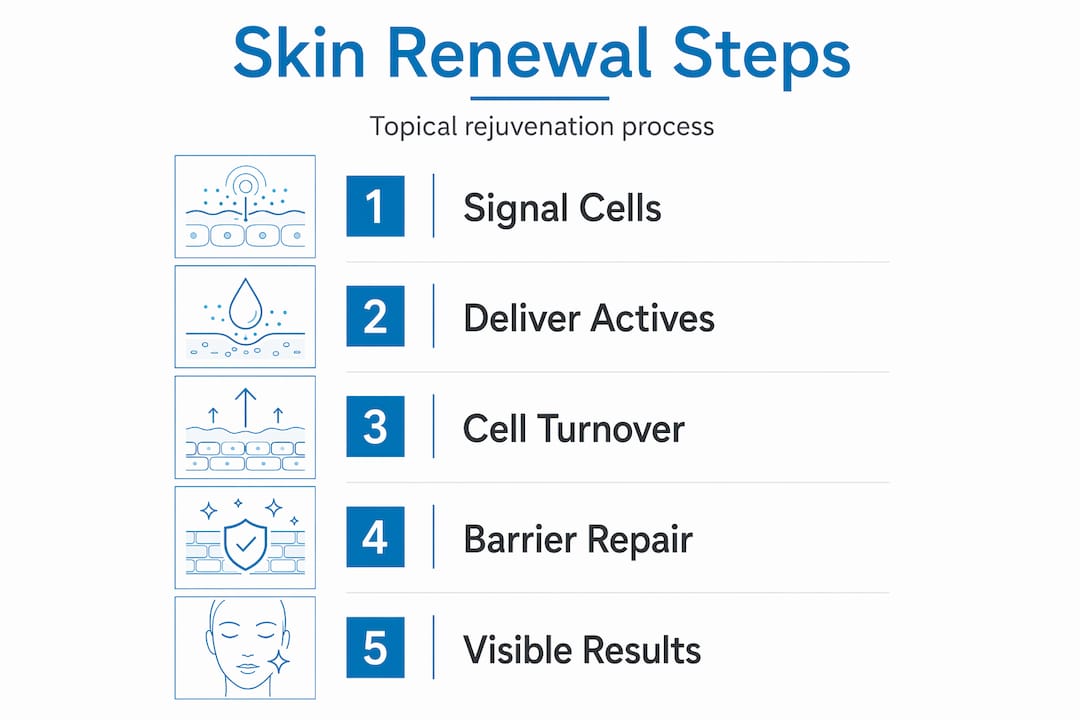
Your skin renews itself roughly every 28 days. New cells form at the base of the epidermis, migrate upward, and eventually shed. Topical treatments work by either accelerating this process, protecting it from disruption, or providing the raw materials cells need to function optimally. That last point is where most conversations go wrong.
The shift in 2026 is moving away from irritation-based correction toward regenerative repair pathways. Older approaches relied on controlled damage (think aggressive peels and high-strength acids) to trigger a healing response. Modern formulations aim to achieve the same cellular signaling without the collateral damage.
Here is what that looks like at the ingredient level:
Retinoids bind to nuclear receptors in skin cells, directly activating genes responsible for collagen synthesis and cellular turnover. They are still among the most studied actives in topical rejuvenation.
Peptides and growth factors act as messengers, telling fibroblasts to produce more collagen and elastin without triggering inflammation.
Antioxidants like Vitamin C neutralize free radicals from UV and pollution, preventing the oxidative breakdown of collagen you already have.
Hydrators like hyaluronic acid and ceramides restore the skin barrier so actives can actually do their jobs without moisture loss undermining the process.
PDRN (Polydeoxyribonucleotide) activates adenosine A2A receptors to calm inflammation, improve blood flow, and stimulate new collagen growth. This is one of the most exciting regenerative ingredients available right now.
None of this works if the active ingredient never reaches the target cells. Nano-lipid vehicles allow actives to penetrate the skin barrier more effectively than traditional formulations, which often sit on the surface and partially degrade before absorbing.
Pro Tip: When comparing two products with the same active ingredient, check the delivery system. A 0.3% retinol in a nano-encapsulated formula may outperform a 0.5% retinol in a basic cream.
Key ingredients and how they compare
Not all actives serve the same purpose in topical skin rejuvenation. Understanding which ingredient does what prevents you from layering conflicting products or expecting results from an ingredient not suited to your concern.
Ingredient | Primary function | Best for | Cautions |
Retinoids (retinol, tretinoin) | Collagen stimulation, cell turnover | Fine lines, texture, acne scarring | Avoid post-procedure; requires sun protection |
Vitamin C (L-ascorbic acid) | Antioxidant protection, brightening | Dull tone, hyperpigmentation, prevention | Unstable; check formulation stability |
Peptides | Signal collagen and elastin synthesis | Firmness, early aging signs | Safe at all stages, including post-procedure |
Hyaluronic acid | Deep hydration, barrier support | All skin types, dehydration, sensitivity | Use on damp skin for best absorption |
Ceramides | Barrier repair, moisture retention | Dry, compromised, or post-procedure skin | Pairs well with all actives |
PDRN | Regeneration, inflammation control | Redness, recovery, aging skin | Emerging; most effective in professional-grade formulas |
Niacinamide | Pore refinement, tone evening | Oily, acne-prone, uneven skin | Generally gentle and widely compatible |
PDRN deserves special attention here. Topical PDRN products show improvements in hydration, texture, and radiance within 4 to 6 weeks, with firmness improvements and fine line reduction appearing between 8 and 12 weeks. That timeline aligns almost perfectly with the skin’s natural renewal cycle, which tells you this ingredient is working with biology rather than against it.
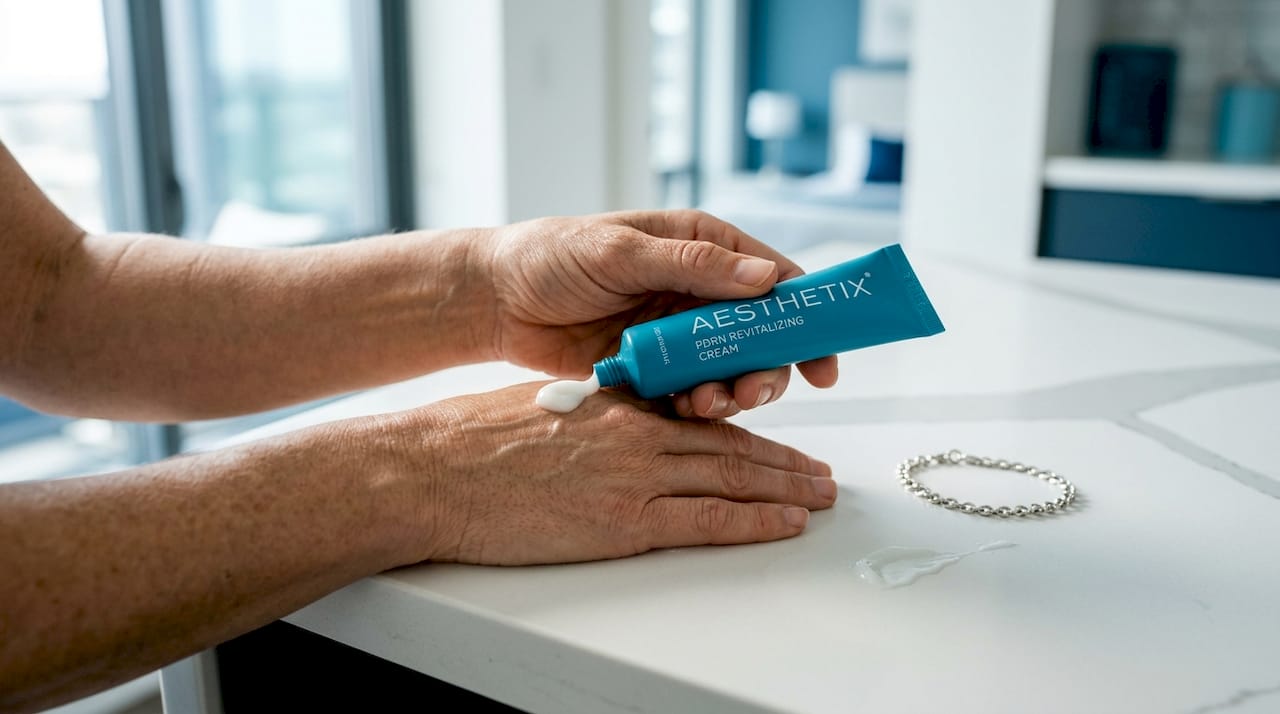
For anyone dealing with mature skin concerns, the combination of retinoids for turnover and PDRN for regeneration, layered over a ceramide-based moisturizer, covers a lot of ground without overwhelming the skin.
Combining topical care with clinical procedures
Topical products are powerful. Clinical procedures are transformative. Together, they produce something neither achieves alone.
Procedures like fractional laser and microneedling work at a level no cream can reach. They create controlled micro-trauma in the dermis, triggering the body to produce new collagen and remodel existing tissue. Fractional Q-switched Nd:YAG laser treatment improves facial wrinkles by up to 72.2% at three months post-treatment, with 94.4% of patients reporting high satisfaction. That kind of structural improvement goes far beyond what a serum can deliver on its own.
The real question is what you apply before, during, and after these procedures. A new global consensus from 14 international aesthetic dermatology experts provides clear guidance.
Treatment phase | Recommended ingredients | Avoid |
Pre-procedure (weeks before) | Retinoids, Vitamin C, SPF, niacinamide | Nothing to avoid at this stage |
Procedure day | Gentle cleanser only | Retinoids, acids, active serums |
First week post-procedure | Ceramides, hyaluronic acid, peptides, niacinamide | Retinoids, exfoliating acids, Vitamin C |
Long-term follow-up | Resume full routine; add PDRN for recovery | Over-exfoliation |
Ceramides, hyaluronic acid, and peptides are broadly endorsed across all procedural phases because they support the barrier without triggering inflammation. They keep the healing environment stable while the deeper remodeling happens underneath.
The stacked strategy of combining daily topical care with periodic clinical procedures is particularly important after 40, when collagen loss accelerates and topicals alone cannot address structural decline. Topicals protect and maintain; procedures reverse.
Pro Tip: If you are planning a laser or microneedling session, prime your skin with retinoids and Vitamin C for at least four weeks beforehand. This builds the collagen infrastructure that will respond better to the procedure.
Choosing and using topical products effectively
Knowing which ingredients exist is only half the work. Applying them correctly makes the difference between frustration and results.
Start with your skin type. Oily, acne-prone skin benefits most from niacinamide and salicylic acid before layering retinoids. Dry or sensitive skin needs ceramides and hyaluronic acid as a base before introducing any active. Building your routine around your skin type is not optional. It is the foundation.
Introduce actives slowly. New actives, especially retinoids and exfoliating acids, should be added one at a time, used two to three nights per week at first, then increased as your skin adapts.
Layer correctly. Apply from lightest to heaviest texture. Serums before moisturizers, moisturizers before SPF. Do not mix acids with retinoids in the same application unless your skin is fully adapted.
Respect timing around procedures. Retinoids and acids are contraindicated during the first week post-procedure. Pushing them too early increases the risk of post-inflammatory hyperpigmentation. Stick to your barrier repair ingredients until the skin is fully healed.
Commit to the timeline. Consistent adherence to a topical regimen is directly correlated with visible improvements. Most patients who abandon a routine do so at week three or four, right before meaningful results would appear.
The most common mistake is product switching. You try a vitamin C serum for three weeks, see nothing dramatic, and replace it with something new. In reality, that serum may have needed eight weeks to show a measurable change in tone. Patience and consistency are the two habits that separate people who get results from those who cycle through products indefinitely.
Common myths and challenges in topical rejuvenation
A few persistent misconceptions keep people from getting the most from their skincare. Here is the reality.
“More aggressive means more effective.” Irritating your skin into constant redness and peeling does not accelerate rejuvenation. It depletes the barrier, triggers chronic inflammation, and actually slows collagen remodeling.
“Natural means safer or better.” Natural topical treatments, like rose hip oil or bakuchiol, can be genuinely effective. Bakuchiol, for example, mimics retinol’s function without the irritation. But “natural” is not automatically gentler, and synthetic ingredients are not automatically harsh. Formulation matters more than origin.
“If it stings, it’s working.” Stinging usually signals irritation, not efficacy. Some mild warmth or tingling with acids is normal. Burning or prolonged stinging means the product is disrupting rather than supporting your barrier.
Skin history changes everything. Someone who has had laser treatments, previous breakouts with scarring, or a compromised barrier needs a different approach than someone with intact, resilient skin. The best rejuvenation plans are personalized, not one-size-fits-all.
You can explore holistic approaches to topical rejuvenation that emphasize gentle, repair-focused methods if you are starting from a compromised or sensitive baseline.
My perspective on what actually moves the needle
I have worked with enough skin to know that the people who get the most dramatic, lasting results are not the ones using the most products. They are the ones who understand their skin, commit to a focused routine, and get professional treatments at the right intervals.
What I have found is that the irritation-based mindset is genuinely counterproductive. When someone comes in with a compromised barrier from over-exfoliating at home, I spend the first several sessions just rebuilding what they damaged. That sets the timeline back by months. Working with your skin’s repair pathways, using ingredients like PDRN and peptides that activate regeneration rather than provoke inflammation, produces results that compound over time without the setbacks.
The combination of home care and clinical treatment is not a luxury. After a certain age, it is simply what works. Topicals keep the surface in good condition and slow ongoing damage. Procedures address the structural collagen loss that no serum can touch. When those two are synchronized properly, the skin genuinely transforms.
My honest advice: stop chasing the next breakthrough ingredient and build consistency with what is already proven. Then add one well-timed clinical procedure per quarter. The results speak for themselves.
— Lux
Ready to personalize your rejuvenation plan?
Understanding the science is a great start. Acting on it is where transformation happens. At Luxveritae, we combine expert topical protocols with advanced in-clinic treatments designed around your specific skin type, history, and goals.
Our skin rejuvenation packages pair professional treatments like BB Glow with personalized home care plans so your results continue building between appointments. If you are ready to move from generic products to a strategy that actually fits your skin, book a BB Glow session or explore our full treatment menu and take the first step toward measurable, lasting change.
FAQ
How do topical treatments rejuvenate skin at the cellular level?
Topical treatments rejuvenate skin by signaling cells to produce collagen, repair the barrier, and neutralize oxidative damage. Ingredients like retinoids, peptides, and PDRN activate specific biological pathways that support the skin’s natural renewal cycle.
How long do topical treatments take to show results?
Most topical treatments show improvements in hydration and radiance within 4 to 6 weeks, with deeper improvements in firmness and fine lines appearing between 8 and 12 weeks, aligned with the skin’s 28-day renewal cycle.
Can topical treatments replace clinical procedures?
Topical treatments address surface-level concerns and maintain skin health between procedures, but clinical treatments like laser and microneedling reach deeper structural collagen loss that topicals cannot replicate on their own.
Which topical ingredients are safe to use after a skin procedure?
Ceramides, hyaluronic acid, peptides, and niacinamide are endorsed across all procedural phases for barrier support. Retinoids and exfoliating acids should be avoided during the first week post-procedure to prevent irritation and pigmentation risk.
What is the biggest mistake people make with topical skin care?
Switching products before they have had enough time to work is the most common error. Most actives require at least 8 weeks of consistent use before delivering visible improvement, and abandoning them prematurely means starting from zero each time.
Recommended
Comments