


How to Layer Serums Correctly at Home


Layering serums correctly at home means applying them in the right order, with the right technique, and in the right amounts to get real results. The sequence matters more than the price tag on any single product. Applying products from thinnest to thickest maximizes absorption and prevents heavier formulas from blocking lighter actives. Stick to a maximum of three serums per routine, use pressing motions instead of rubbing, and wait 30–60 seconds between layers. Get those fundamentals right, and your skin will respond.
What order should you layer serums correctly at home?
The correct serum layering sequence is grounded in chemistry, not preference. Hydrophilic molecules penetrate better when applied before lipophilic, heavier molecules. Occlusive oils and creams create a hydrophobic barrier that blocks lighter products from reaching the skin. Apply in the wrong order and you waste product, time, and money.
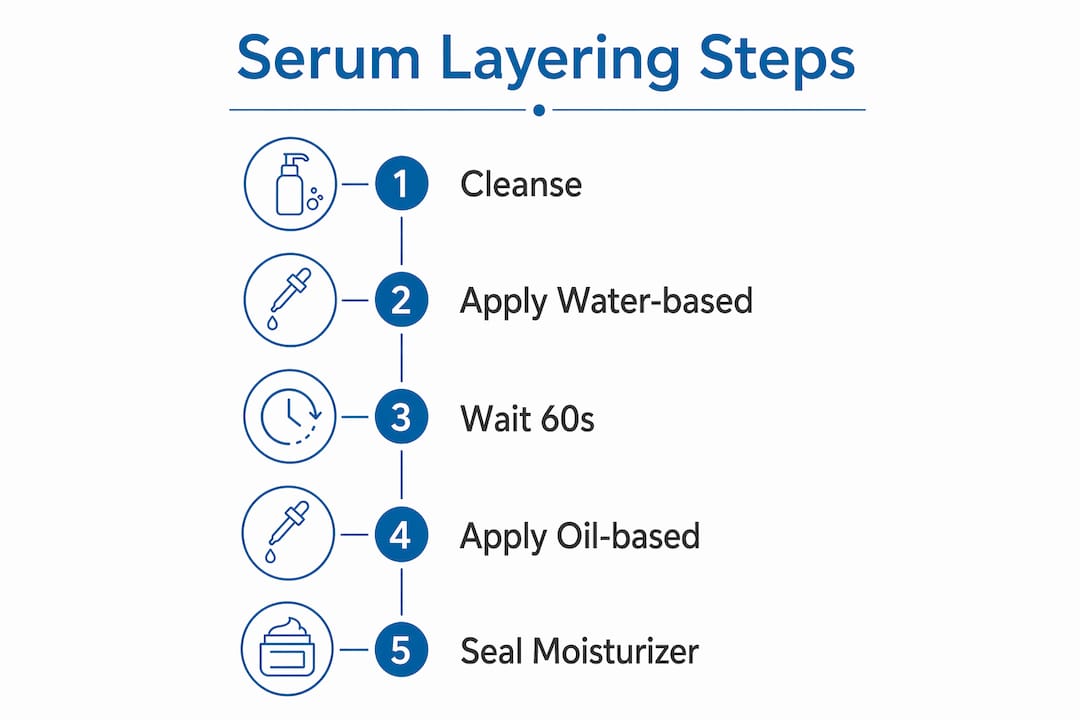
The standard sequence for a serum layering routine looks like this:
Water-based serums first. These have the lightest consistency and absorb fastest. Think hyaluronic acid, niacinamide, or peptide serums.
Anhydrous or oil-based serums second. These are denser and need a clear path to the skin. Vitamin C in an oil base or a squalane serum falls here.
Moisturizer or cream last. This seals everything in and supports the skin barrier.
Low pH before high pH. Vitamin C serums typically sit at a low pH (around 3.0–3.5). Applying them before higher-pH products preserves their efficacy.
pH sequencing is one of the most overlooked steps in a proper serum application technique. A vitamin C serum applied after a high-pH niacinamide product loses potency fast. The acid environment that keeps vitamin C stable gets disrupted. Building your routine around your skin type also shapes which serums belong in your stack and in what order.
Pro Tip: If you are unsure whether a serum is water-based or oil-based, check the first ingredient. Water (aqua) at the top means water-based. Cyclopentasiloxane, squalane, or jojoba oil at the top means oil-based.
How long should you wait between serum layers?
Timing is the step most people skip, and skipping it causes pilling and wasted product. Waiting 30–60 seconds between layers supports absorption and prevents the next product from lifting the previous one off the skin. Most water-based serums need approximately 60 seconds for their carrier to dissipate before the next layer goes on.
Longer waits of up to 90 seconds can help with thicker formulas, but they are not always necessary. The practical rule is simple: if the previous layer still feels wet or tacky, wait. If it feels absorbed and slightly dry, you are ready for the next step. Rushing this step is the single most common reason serums pill into little balls on the skin.
One technique worth adding to your routine is damp-skin layering. Applying serums on slightly damp skin increases the permeability of the stratum corneum, the outermost skin layer. This enhances absorption of small molecule actives like peptides. Apply your first serum within 30 seconds of patting your face dry, while the skin still holds a little moisture.
Pro Tip: Set a 60-second timer on your phone for the first few weeks. It feels slow at first, but the habit builds fast and the results are visible.
What are the best techniques and amounts for applying serums?
Proper serum application technique makes a measurable difference in how well a product performs. Follow these steps for each serum in your routine:
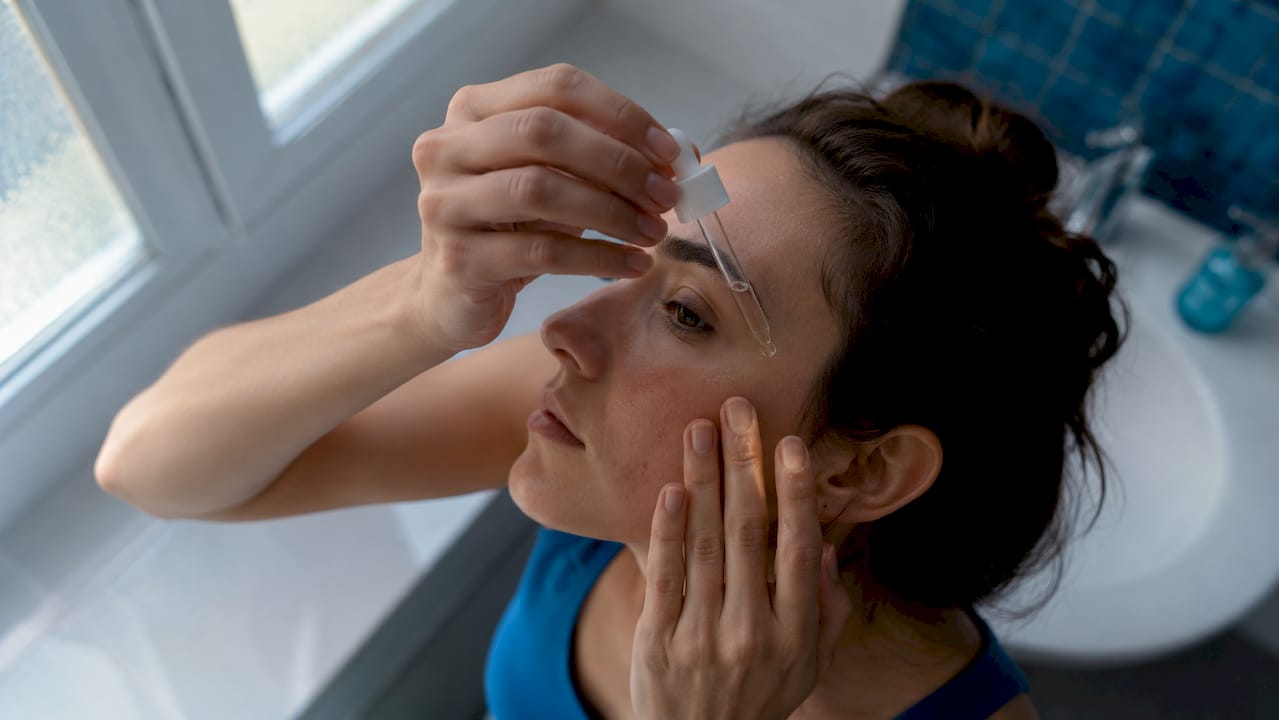
Dispense the right amount. Use 3–5 drops or a pea-sized amount per serum. More product does not mean more benefit. Excess serum sits on top of the skin and gets wiped off.
Warm it in your palms. Rub the serum between your palms for two to three seconds before applying. Warming improves viscosity and helps the product spread evenly without dragging.
Press and tap, do not rub. Press your palms flat against your face and hold for a few seconds. Tap gently with your fingertips to work the product into the skin. Rubbing creates friction, disrupts the skin barrier, and causes pilling.
Cover the neck. The neck has thinner skin than the face and benefits from the same actives. Apply downward strokes from the jawline to the collarbone.
Be gentle around the eyes. The skin around the eyes is delicate. Use your ring finger to tap lightly, never drag.
The pressing and tapping method is not just about comfort. It mimics the way professional facialists apply product during treatments, which is why skin often looks better after a spa session than after a home routine done carelessly. Skin prep before professional treatments follows the same logic: technique shapes results.
Pro Tip: Apply serums in a warm room or after a shower when your pores are open. Warmth increases blood flow to the skin surface and supports absorption.
Which serum actives should you layer together or avoid mixing?
Active ingredient compatibility is where most at-home serum routines go wrong. Layering more active ingredients does not guarantee better results. Dermatologists consistently find that overloading a routine leads to irritation, barrier damage, and chronic redness. The goal is compatibility, not quantity.
Here is a quick reference for common actives:
Active | Best time | Pairs well with | Avoid pairing with |
Vitamin C | Morning | Hyaluronic acid, ferulic acid | Retinoids, AHAs/BHAs |
Retinoids | Night only | Peptides, hyaluronic acid | AHAs, BHAs, vitamin C |
Niacinamide | AM or PM | Vitamin C, retinoids, peptides | High-dose zinc (in excess) |
AHAs/BHAs | Night (2–3x/week) | Hyaluronic acid | Retinoids, vitamin C |
Peptides | AM or PM | Most actives | Strong acids at low pH |
Vitamin C works best in the morning because it provides antioxidant protection against UV-related free radical damage throughout the day. Retinoids belong at night and should be introduced two to three times per week to build tolerance before daily use.
Niacinamide is the most forgiving active. It layers well with vitamin C, retinoids, and peptides. It also calms inflammation caused by stronger actives, making it a useful buffer in a multi-serum routine.
Never combine AHAs or BHAs with retinoids in the same session. Both are potent exfoliants. Using them together strips the skin barrier and causes significant irritation.
Rotate strong actives across different days. Use retinoids on Monday, Wednesday, and Friday. Use exfoliating acids on Tuesday and Thursday. This gives the skin time to recover between sessions.
Limit your active serums to three maximum. Exceeding three serum formulations per routine increases the risk of ingredient incompatibility, reduced absorption, and cumulative irritation, especially for sensitive skin.
Vitamin C layered before hyaluronic acid maximizes antioxidant benefits while the hyaluronic acid locks in hydration on top. That sequence is a reliable foundation for a morning routine. You can also find detailed guidance on how BB Glow serum interacts with skin if you are curious how professional-grade serums differ from standard retail formulas.
What are common layering mistakes and how to fix them?
Most serum routines fail for the same handful of reasons. Recognizing these mistakes early saves your skin barrier and your budget.
Using too many actives at once. Introducing new actives one at a time is the standard dermatologist recommendation. When you add multiple new products in the same week, you cannot identify what caused a reaction. Add one new serum every two weeks.
Not waiting between layers. Skipping the 30–60 second wait causes product pilling and prevents absorption. The previous layer needs time to settle before the next one goes on.
Applying oil-based products first. Occlusive oils block lighter products from penetrating the skin. Always apply water-based serums before oil-based ones, without exception.
Mixing incompatible actives. Retinoids and exfoliating acids in the same session cause barrier damage. Vitamin C and retinoids used together at night cancel out each other’s benefits and irritate skin.
Ignoring your skin type. Oily skin does not need a heavy oil-based serum as the second layer. Dry skin may need a richer moisturizer to seal in water-based actives. Your skin type shapes every product choice in the stack.
Applying too much product. More serum does not mean more results. Excess product sits on the surface, causes pilling, and sometimes triggers breakouts. Three to five drops is the correct amount per application.
Troubleshooting a failing routine starts with stripping it back. Remove all actives for one week, use only a gentle cleanser, a basic moisturizer, and SPF. Then reintroduce serums one at a time. This reset approach is the fastest way to identify the problem and rebuild a routine that actually works. You can also explore post-treatment skincare care tips for guidance on rebuilding skin health after irritation.
Key Takeaways
The best way to layer serums is to apply them thinnest to thickest, wait 60 seconds between each layer, and limit your active serums to three per routine.
Point | Details |
Layering order matters | Apply water-based serums first, oil-based second, and creams or moisturizers last. |
Timing prevents pilling | Wait 30–60 seconds between each serum layer to allow full absorption. |
Three serums maximum | Using more than three active serums per routine increases irritation and reduces absorption. |
Active compatibility is critical | Never combine retinoids with AHAs or BHAs in the same session; rotate strong actives across days. |
Technique shapes results | Use pressing and tapping motions with 3–5 drops per serum for even coverage and no irritation. |
What I have learned from watching routines go wrong
The most common thing I see is people treating their serum routine like a grocery list. More products, more results. That logic does not hold in skincare. The skin barrier is a system, and overloading it with actives does not accelerate results. It reverses them.
What actually works is boring by comparison. Three serums, applied in the right order, with 60 seconds between each layer, using a pressing motion. Done consistently for six to eight weeks. That routine outperforms a ten-step stack used carelessly every single time.
The other thing I have noticed is that people underestimate technique. Rubbing a serum in like sunscreen is not the same as pressing it into the skin. The pressing method is not a preference. It is how you get the product to actually contact the skin surface instead of evaporating off your palms.
My honest advice: start with one targeted serum, learn how your skin responds, and add a second only when the first has settled in. Patience here is not passive. It is the actual strategy. Skin that is not irritated absorbs product better, looks clearer, and responds faster to new actives when you do introduce them.
— Lux
Professional treatments that take your home routine further
Your at-home serum routine builds a strong foundation. Professional treatments at Luxveritae take that foundation and amplify it.
At Luxveritae, treatments like BB Glow are designed to work with your skin’s existing condition, not against it. A professionally treated skin surface absorbs serums more effectively because the barrier is supported, not compromised. The skin spa treatment packages at Luxveritae are built around your individual skin type, goals, and lifestyle. Whether you want to address uneven tone, dullness, or texture, a customized treatment plan gives your at-home serum routine a professional edge. Book a treatment and see what your skin looks like when both sides of the routine are working together.
FAQ
What is the correct order to apply serums?
Apply serums from thinnest to thickest consistency. Water-based serums go first, followed by oil-based serums, then moisturizer. Low-pH products like vitamin C should always come before higher-pH formulas.
Can you layer multiple serums in one routine?
Yes, but limit your stack to three serums maximum. Using more than three formulations increases the risk of irritation, ingredient incompatibility, and reduced absorption, especially for sensitive skin.
How long should you wait between serum layers?
Wait 30–60 seconds between each serum layer. Most water-based serums need approximately 60 seconds for the carrier to dissipate before the next product goes on.
Can you mix vitamin C and niacinamide serums?
Yes. Vitamin C and niacinamide are compatible and work well together. Apply vitamin C first (lower pH), wait 60 seconds, then apply niacinamide. Use this combination in the morning for antioxidant and anti-inflammatory benefits.
What serums should you never mix in the same routine?
Never combine retinoids with AHAs or BHAs in the same session. Both are exfoliants and using them together strips the skin barrier. Rotate them across different nights instead.
Recommended
Comments