


How Cosmetic Skin Assessments Work for Better Results
- L Guevara
- Jun 9
- 8 min read

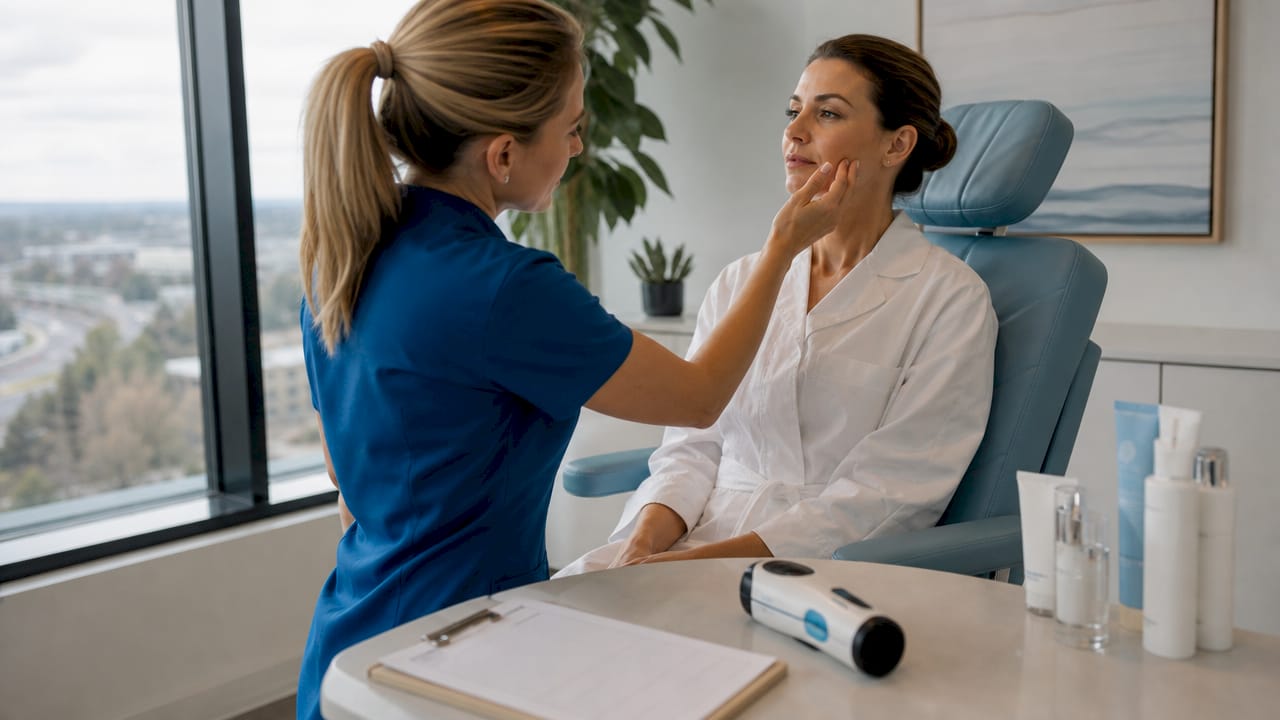
A cosmetic skin assessment is a structured, multi-step evaluation that combines expert clinical examination with advanced imaging technology to analyze your skin’s unique characteristics, concerns, and treatment needs. Unlike a basic facial consultation, a professional skin assessment produces a detailed, data-driven picture of your skin health that guides every product recommendation and treatment decision that follows. For anyone between 25 and 60 who wants results that actually match their skin, not a generic protocol, understanding this process is the difference between skincare that works and skincare that wastes money.
How cosmetic skin assessments work: the full process
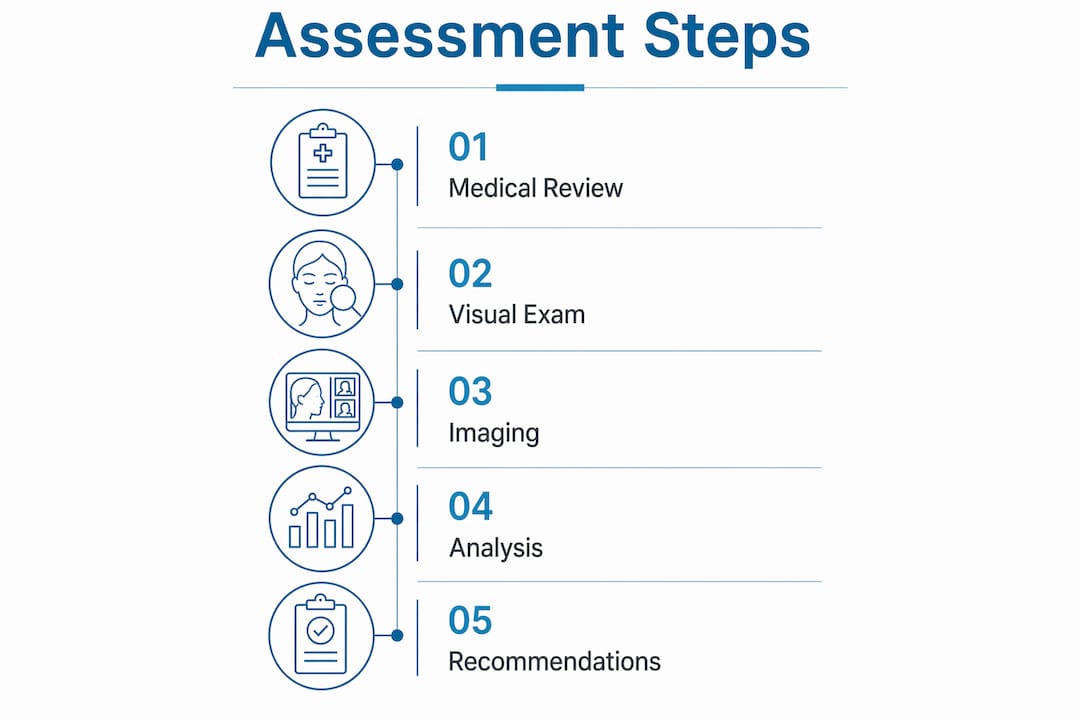
Cosmetic skin assessments follow a structured two-part framework: screening and quantification. Screening covers your medical history, lifestyle, and contraindications. Quantification covers the physical and instrumental examination of your skin. Skipping either part produces recommendations that are less safe and far less personalized, which is why reputable clinics treat both as non-negotiable.
Step 1: medical history and lifestyle review
The assessment begins before anyone touches your face. A trained esthetician or clinician reviews your medical background and lifestyle in detail, because factors like autoimmune conditions, hormonal changes, medication use, and habits like smoking or heavy sun exposure directly affect how your skin responds to treatment. A 2026 esthetic guide confirms that contraindications and skin-recovery capacity are shaped by all of these variables. This step protects you from treatments that could trigger adverse reactions and ensures the plan built for you is actually safe.
Step 2: visual and tactile examination
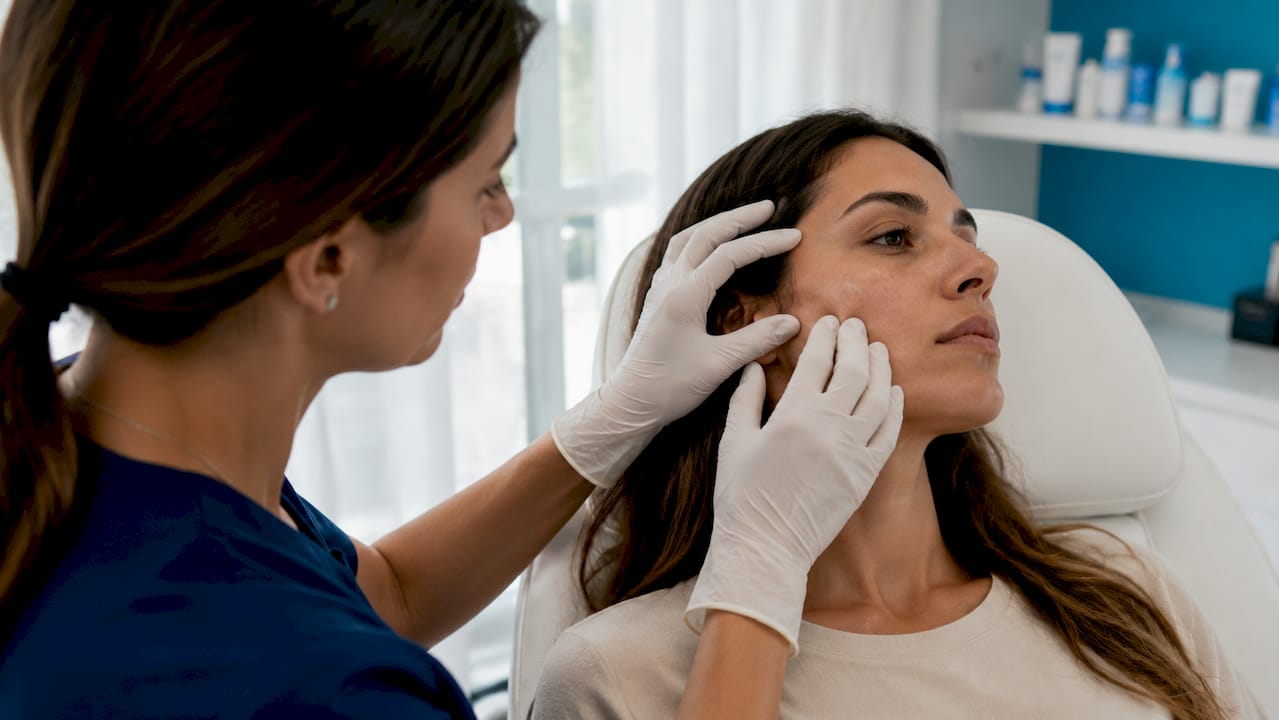
The clinician then examines your skin directly, assessing color, texture, moisture levels, pore size, and skin turgor (the elasticity that indicates hydration and collagen density). This hands-on evaluation identifies concerns that no questionnaire can capture, including subtle texture changes, reactive zones, or areas of uneven pigmentation. The findings from this step form the clinical baseline that all technology-assisted analysis builds on.
Step 3: imaging and documentation
Standardized clinical photography and device-based imaging are taken to document your skin’s current condition. Documented consent is required before any images are captured, and those images become part of your clinical record. Consent is purpose-specific: agreeing to clinical use does not mean agreeing to marketing or educational use, and reputable providers make that distinction explicit. This photography baseline is what makes progress tracking meaningful over time.
Pro Tip: Ask your provider to confirm their image storage and consent policy before your first session. Knowing your photos are handled securely builds trust and protects your privacy.
How technology enhances modern skin evaluations
Technology has transformed what a skin evaluation can detect and communicate. Where a trained eye alone might miss early pigmentation changes or subsurface dehydration, modern devices make those issues visible, measurable, and trackable.
The most significant advancement is AI-based skin analysis. AI skin analysis systems combine photo analysis with questionnaire data to generate multi-metric reports covering dryness, redness, pigmentation, pore visibility, and wrinkle depth. These reports give both the clinician and the client a precise, objective starting point rather than a subjective impression. That said, AI outputs require clinical interpretation. The technology flags concerns; the trained professional contextualizes them.
Imaging modalities used in professional assessments include:
RGB (standard) imaging: captures surface-level skin color, tone, and visible texture
Polarized light imaging: reduces surface glare to reveal pore structure and early texture changes beneath the skin surface
UV (ultraviolet) imaging: reveals sun damage, pigmentation deposits, and bacterial activity that are invisible under normal light
Dermatoscopy: magnified examination of skin lesions and pigmented areas for detailed structural analysis
Wood’s lamp analysis: uses UV light to identify fungal conditions, pigmentation depth, and moisture distribution
Image quality and standardization are critical to reliable results. A 2026 European expert consensus confirmed that variables like lighting, angle, and distance must remain consistent across sessions. Small variations in capture technique can create false impressions of improvement or regression, which undermines the entire purpose of longitudinal monitoring. Clinics that document their imaging parameters and replicate them at every follow-up produce far more accurate progress data.
Using AI skin analysis devices in clinical settings increases precision in recommendations and builds client confidence through data-driven visual evidence. When clients can see a UV image of sun damage they cannot feel yet, they understand why a particular treatment or SPF protocol matters. That visual education is one of the most underrated benefits of technology-assisted assessments.
What are the key benefits of a professional skin assessment?
The benefits of skin analysis extend well beyond identifying what moisturizer to use. A thorough assessment reshapes your entire approach to skincare by grounding every decision in your actual biology rather than marketing claims.
Early identification of skin concerns
Skin analysis machines help identify skin problems early, enable customized skincare plans, build client trust, and allow monitoring for ongoing adjustments. Catching early pigmentation, dehydration, or barrier damage before they become visible problems means less aggressive intervention later. For adults in their 30s and 40s, this early detection window is particularly valuable because skin changes accelerate during this period.
Personalized treatment and product recommendations
Generic skincare routines fail because no two people share the same combination of skin type, lifestyle, and concerns. An assessment maps your specific profile and produces recommendations that match it precisely. If you want to understand how those findings translate into a daily routine, Luxveritae’s guide on building a skincare routine walks through exactly how to apply assessment results to real product choices.
Progress tracking and adaptive care
Benefit | What it means for you |
Baseline documentation | Your skin’s starting condition is recorded so future changes are measurable, not guesswork |
Objective progress tracking | Follow-up scans show actual treatment results rather than relying on memory or perception |
Adaptive treatment plans | Clinicians adjust protocols when skin responds differently than expected |
Risk screening | Contraindications and allergies are identified before any treatment begins |
Client education | Visual device outputs help you understand why specific treatments are recommended |
Visual evidence from device outputs and follow-up scans increase client engagement by making treatment progress tangible. When you can compare a before-and-after UV image and see measurable change, you stay committed to the plan. That engagement directly improves long-term outcomes.
Pro Tip: Request a copy of your baseline imaging at your first assessment. Having your own record means you can compare results accurately even if you switch providers.
Types of cosmetic skin assessments and when to get one
Not all skin evaluations happen in the same setting or use the same tools. Understanding the options helps you choose the right level of evaluation for your needs.
In-person clinical assessment is the gold standard. It combines all three steps described above: medical history review, hands-on examination, and device-based imaging. This format is best for anyone starting a new treatment program, addressing a persistent skin concern, or preparing for a procedure like BB Glow or paramedical tattooing.
Teledermatology and app-based analysis offer remote evaluation using standardized photo submissions and AI-generated reports. Standardized imaging protocols benefit consumers by ensuring reliable baseline photos that aid in tracking skin changes and improving teleconsultation accuracy. These formats work well for follow-up monitoring or initial screening, but they cannot replace the tactile component of an in-person exam.
Signs that warrant a professional skin evaluation include:
New or changing pigmentation, moles, or lesions
Persistent redness, sensitivity, or barrier disruption that does not resolve with standard care
Preparing for any professional cosmetic treatment or procedure
Skin that has not responded to over-the-counter products after 8 to 12 weeks
Noticeable changes in skin texture, elasticity, or hydration after hormonal shifts or medication changes
To prepare for your appointment, arrive with a clean face and no makeup. Bring a list of all current skincare products, supplements, and medications. If you have had previous skin treatments, note the dates and outcomes. This preparation makes the skin assessment questions your provider asks far more productive and shortens the time needed to build an accurate picture of your skin.
Key takeaways
A cosmetic skin assessment works by combining medical history screening, hands-on examination, and technology-assisted imaging to produce a precise, personalized skin health profile that guides every treatment and product decision.
Point | Details |
Two-part framework | Every assessment covers screening (medical history) and quantification (physical and device-based examination). |
AI and imaging precision | Tools like UV imaging, dermatoscopes, and AI skin analyzers reveal concerns invisible to the naked eye. |
Consent and privacy | Documented, purpose-specific consent is required before clinical photography and image storage. |
Personalized outcomes | Assessment findings directly inform treatment plans, product choices, and safety protocols for your specific skin. |
Progress tracking | Standardized imaging at follow-up appointments makes treatment results measurable and adjustments evidence-based. |
Why I think skipping the screening step is the biggest mistake in skincare
After working with clients across a wide range of skin types and concerns, the pattern I see most often is this: people want to go straight to the treatment. They come in with a specific result in mind, and the idea of spending time on medical history and lifestyle questions feels like a delay. I understand the impulse. But thorough risk screening is not a formality. It is the step that determines whether a treatment is appropriate for your skin at all.
I have seen clients who were using retinoids or blood-thinning supplements that would have made certain procedures genuinely risky. I have seen hormonal changes that explained why a client’s previous treatments stopped working. None of that shows up in a photo. It shows up in a conversation. The technology we use at Luxveritae gives us precision and visual evidence that clients find genuinely motivating. But the clinical expertise that interprets those results and screens for contraindications is what makes the technology safe to act on.
The other thing I want to say plainly: informed consent in skin assessment photography is not bureaucratic paperwork. It is a signal of how a clinic treats its clients. When a provider explains exactly how your images will be used, stored, and protected, that transparency tells you everything about their standards. Prioritize providers who make that process clear from the start.
One-size-fits-all skincare does not work because skin is not one-size-fits-all. A thorough assessment is the only way to build a plan that actually fits yours.
— Lux
Start your personalized skin assessment at Luxveritae
At Luxveritae, every treatment begins with a thorough skin evaluation that covers your medical history, a hands-on examination, and advanced imaging analysis. This process ensures that every recommendation, from signature BB Glow treatments to specialized paramedical procedures, is matched precisely to your skin type, concerns, and goals. No guesswork. No generic protocols.

Whether you are addressing pigmentation, dehydration, or visible signs of aging, the right treatment starts with the right information. Book your consultation at Luxveritae and get a personalized skin plan built around your actual skin, not a template.
FAQ
What is a skin assessment in a cosmetic setting?
A cosmetic skin assessment is a structured evaluation that combines medical history review, physical examination, and device-based imaging to analyze your skin’s condition and identify the most appropriate treatments and products for your individual needs.
How long does a professional skin assessment take?
Most in-person cosmetic skin assessments take between 30 and 60 minutes, depending on the depth of imaging and consultation included. Initial assessments that involve full medical history review and multi-device imaging typically run longer than follow-up evaluations.
Are AI skin analysis tools accurate?
AI skin analysis tools generate detailed multi-metric reports covering dryness, pigmentation, and wrinkle depth, but AI outputs require clinical interpretation to be acted on safely. They are most accurate when used alongside professional evaluation rather than as a standalone diagnostic.
How often should you get a cosmetic skin assessment?
Most skin care professionals recommend a full assessment at the start of any new treatment program and follow-up evaluations every three to six months to track progress and adjust the plan based on how your skin responds.
What should I bring to a skin assessment appointment?
Arrive with a clean face and no makeup, and bring a complete list of your current skincare products, medications, and supplements. Previous treatment records and any known skin sensitivities are also useful for the clinician conducting your evaluation.
Recommended
Comments