


Chemical Peel Skin Renewal Process Explained

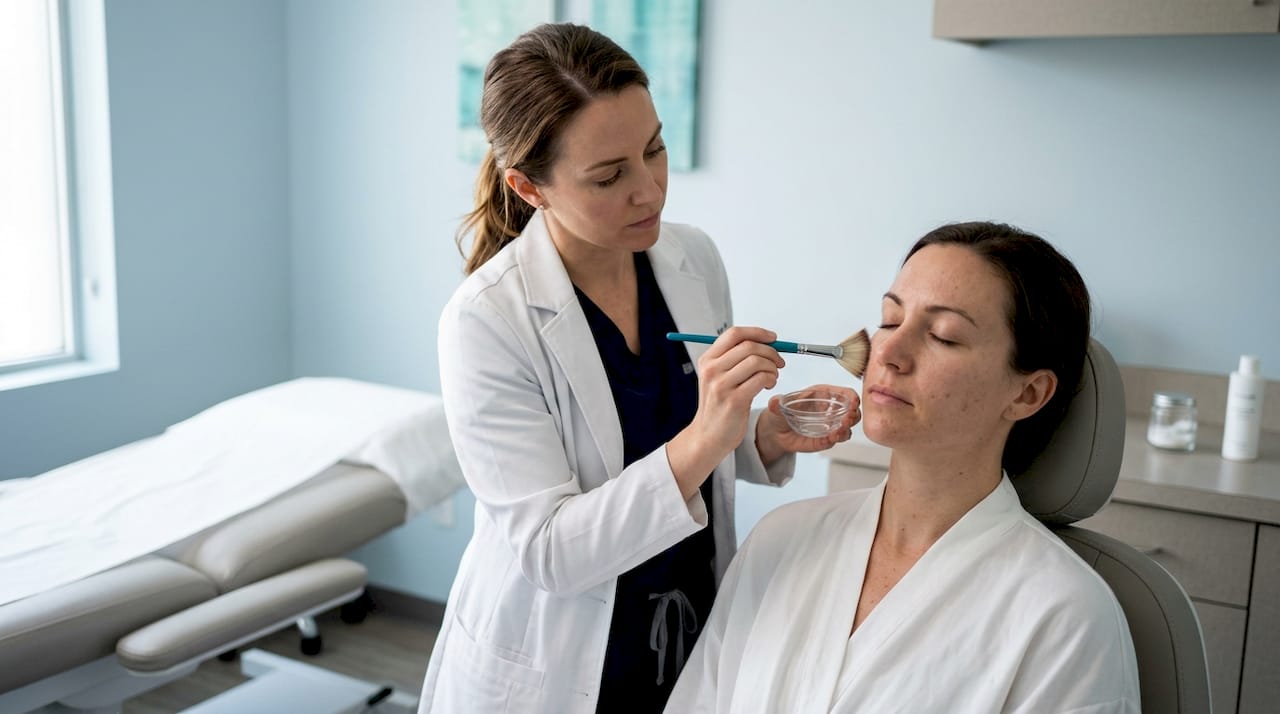
A chemical peel is a cosmetic and therapeutic skin treatment that uses chemical solutions to exfoliate and rejuvenate the skin by removing damaged outer layers and promoting cellular regeneration. The chemical peel skin renewal process explained in clinical terms is a controlled wound-healing cascade that triggers tissue regeneration, new collagen synthesis, and extracellular matrix remodeling. The result is smoother texture, more even skin tone, and measurable reduction in scars, pigmentation, and fine lines. Peels are classified by depth, which directly determines recovery time, risk level, and the degree of skin renewal achieved.
What are the different types of chemical peels and how do they differ?
Chemical peels fall into three depth categories: superficial, medium, and deep. Each category uses different chemical agents, penetrates to a different skin layer, and produces a distinct recovery experience.
Superficial peels use alpha hydroxy acids (AHAs) like glycolic acid at concentrations of 20–70% and beta hydroxy acids (BHAs) like salicylic acid at 20–30%. They target only the outermost epidermal layer. Superficial peels cause mild erythema and light flaking, with a healing window of just 3–5 days. They work well for mild texture issues, dullness, and early signs of aging.
Medium-depth peels use 35% trichloroacetic acid (TCA) or Jessner’s solution, a combination of salicylic acid, lactic acid, and resorcinol. These agents penetrate to the mid-papillary dermis. Medium peels produce significant erythema and crusting, with a recovery period of 7–14 days. They address moderate sun damage, deeper pigmentation, and acne scarring more effectively than superficial options.
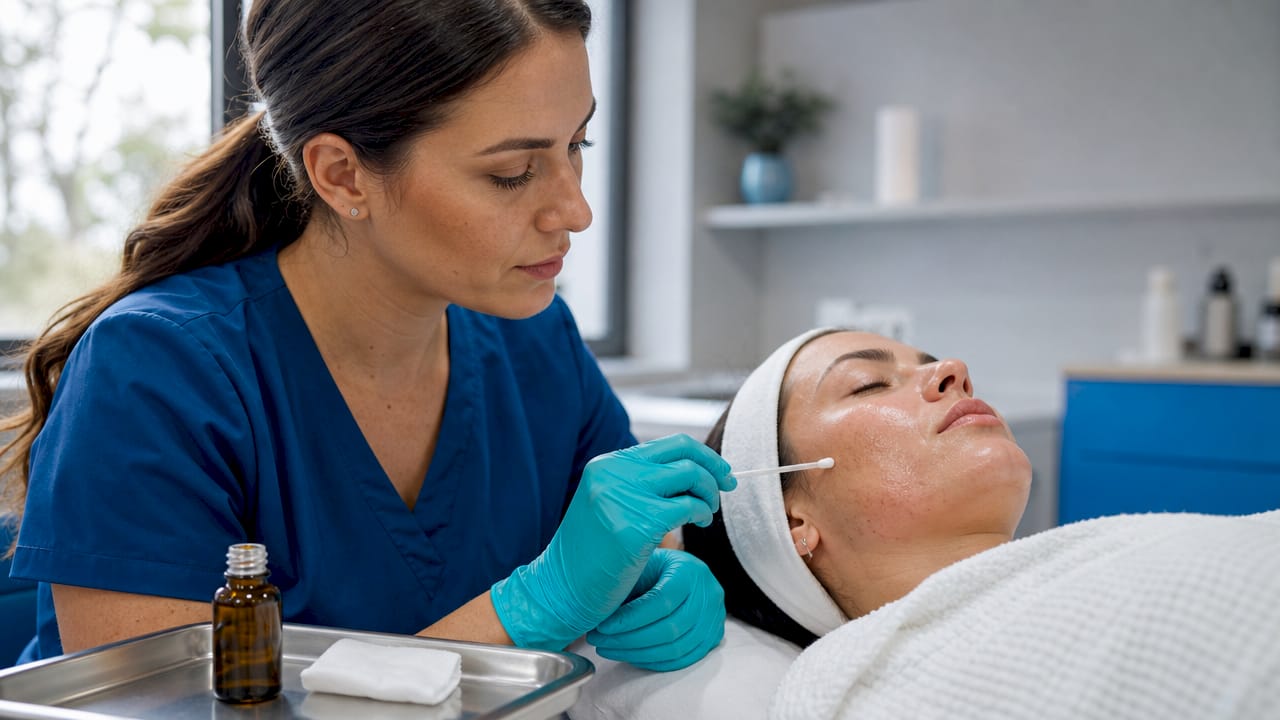
Deep peels use phenol-based solutions and penetrate to the reticular dermis. They deliver the most dramatic skin renewal but carry the highest risk profile. Deep peels require cardiac monitoring during the procedure due to phenol’s cardiotoxicity. Recovery spans 2–3 weeks, with erythema that can persist for up to 3 months. Deep peels are reserved for severe photoaging, deep wrinkles, and significant scarring.
Peel depth | Agents used | Recovery time | Typical results |
Superficial | Glycolic acid, salicylic acid | 3–5 days | Smoother texture, mild brightening |
Medium | 35% TCA, Jessner’s solution | 7–14 days | Pigmentation reduction, scar improvement |
Deep | Phenol-based solutions | 2–3 weeks | Significant wrinkle and scar reduction |
Pro Tip: Never select a peel depth based on desired results alone. A professional skin assessment is the only safe way to determine which agent and concentration match your skin type, condition, and tolerance.
Step-by-step chemical peel procedure explained
A standard chemical peel appointment runs 30–45 minutes, though preparation and post-care instructions add time to the overall visit. Knowing each step removes the guesswork and sets realistic expectations.
Skin cleansing. The practitioner thoroughly cleanses the treatment area to remove oil, makeup, and surface debris. Some protocols use acetone to degrease the skin, which improves chemical penetration and ensures even application.
Pre-peel priming. For medium and deep peels, skin is often primed in the weeks before the appointment using retinoids or hydroquinone. Priming thins the stratum corneum, promotes uniform peel penetration, and reduces the risk of post-inflammatory hyperpigmentation.
Chemical solution application. The practitioner applies the chosen acid solution using a brush, gauze, or cotton applicator. Application follows a specific pattern, typically starting at the forehead and moving downward. You will feel stinging or tingling within seconds. That sensation is normal and signals that the acid is working.
Monitoring the skin response. The practitioner watches for frosting, a white film that forms on the skin as proteins denature. The degree of frosting indicates penetration depth. Superficial peels produce no frosting. Medium peels produce light frosting. Deep peels produce solid white frosting.
Neutralization or removal. AHA-based superficial peels require neutralization with a bicarbonate solution to stop the acid’s activity. TCA and phenol peels self-neutralize and do not require a separate neutralizing step.
Pore extraction. Many professional peel protocols include a post-application extraction phase using suction technology to clear congested pores. This step maximizes results for clients dealing with acne or blackheads.
Immediate post-peel care. The practitioner applies a soothing serum or barrier cream to calm the skin. You will leave the appointment with redness and mild sensitivity. That is the expected starting point of the renewal process, not a sign of damage.
Pro Tip: Review how to prep skin before your appointment. Arriving with a properly primed skin barrier reduces side effects and shortens recovery.
What to expect during recovery and how skin renews after a peel
Recovery duration depends entirely on peel depth. Superficial peels heal in 3–5 days. Medium peels require 7–14 days. Deep peels take 2–3 weeks before the skin stabilizes, with residual redness lasting considerably longer.
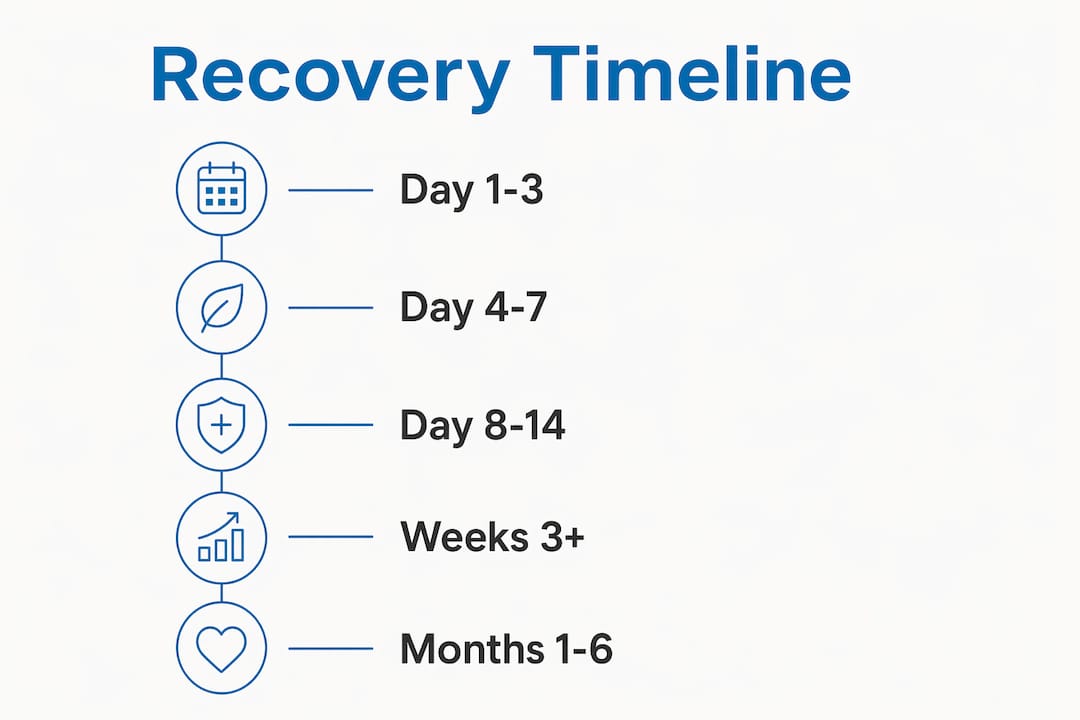
The biology behind recovery is more active than most people realize. The controlled chemical injury triggers keratinocyte migration across the wound bed, fibroblast activation in the dermis, and the production of new collagen and elastin fibers. This is not passive healing. It is a structured regenerative process that replaces damaged tissue with healthier skin.
Recovery phase | Timeline | What you see | Recommended care |
Acute inflammation | Days 1–3 | Redness, tightness, mild swelling | Gentle cleanser, barrier cream |
Peeling and flaking | Days 3–7 | Visible skin shedding | Hydration, no picking |
Re-epithelialization | Days 7–14 | New pink skin emerging | Fragrance-free moisturizer, SPF |
Remodeling | Weeks 2–12+ | Gradual texture and tone improvement | Daily SPF, hydration, follow-up |
Sun protection is non-negotiable after any peel. Avoid direct sun exposure for at least 12 weeks after a deep peel to prevent permanent pigment changes. Daily broad-spectrum SPF is required throughout the entire recovery and remodeling period.
Pro Tip: Neocollagenesis continues for at least 6 months after your peel. Consistent hydration and sun protection during that window protect the new collagen being built beneath the surface.
How do chemical peels improve scars, discoloration, and aging?
The mechanism behind a chemical peel goes well beyond surface exfoliation. Controlled injury disrupts intercellular adhesion proteins, initiating a wound-healing cascade that produces measurable tissue regeneration. That is the core of how skin peels work, and it explains why results go deeper than what any topical scrub can achieve.
Here is how peels address specific skin concerns:
Acne scars. Peels resurface the upper skin layers and stimulate new tissue growth in the dermis. Repeated medium-depth peels reduce the appearance of shallow atrophic scars by filling in depressed areas with newly synthesized collagen.
Hyperpigmentation and discoloration. Chemical agents eliminate pigmented epidermal cells and disrupt melanin clusters near the skin surface. The new skin that forms after healing contains more evenly distributed pigment.
Fine lines and wrinkles. Peels stimulate collagen and extracellular matrix remodeling in the dermis. That remodeling physically thickens the dermis and reduces the depth of fine lines over time. For a broader look at anti-aging treatment options, pairing peels with other modalities produces stronger results.
Dullness and uneven texture. Removing the outermost damaged epidermal layer immediately reveals brighter, more reflective skin beneath.
Active acne. Salicylic acid is lipophilic, meaning it penetrates sebaceous follicles directly. Salicylic acid targets acne more effectively than glycolic acid for this concern, while glycolic acid performs better for anti-aging applications.
Matching the right agent to your specific concern is not optional. It is the difference between a safe, effective treatment and an adverse outcome.
Key takeaways
Chemical peels work through controlled skin injury that triggers biological regeneration, not simple exfoliation, making professional assessment and aftercare the two most critical factors in achieving safe, lasting results.
Point | Details |
Mechanism is controlled injury | Peels disrupt adhesion proteins to trigger collagen synthesis and tissue regeneration. |
Peel depth determines recovery | Superficial peels heal in 3–5 days; deep peels require 2–3 weeks of recovery. |
Agent selection matters | Salicylic acid targets acne; glycolic acid addresses aging. Matching agent to concern is non-negotiable. |
Collagen builds for 6 months | Neocollagenesis continues long after visible healing, requiring sustained sun protection and hydration. |
Sun avoidance is mandatory | Avoid direct sun for at least 12 weeks after deep peels to prevent permanent pigment damage. |
What I’ve learned from watching clients rush the process
The most common mistake I see is treating a chemical peel like a one-and-done fix. Clients come in expecting dramatic results after a single superficial peel, and when the improvement is subtle, they push for something deeper or more frequent. That mindset creates real risk.
Deeper is not always better. A medium peel on unprepared skin, or a repeat peel before the previous one has fully healed, can trigger scarring and pigmentary changes that are far harder to correct than the original concern. Aggressive peeling without proper oversight is one of the most preventable causes of adverse outcomes in aesthetic practice.
What actually works is a planned series of treatments matched to your skin’s current condition, not your ideal outcome. A series of superficial peels spaced four to six weeks apart often outperforms a single aggressive treatment in terms of safety, consistency, and long-term skin health.
The other thing most people underestimate is aftercare. The peel appointment is 30–45 minutes. The real work happens in the weeks that follow. Skipping SPF, picking at peeling skin, or reintroducing actives too early can undo results and cause post-inflammatory hyperpigmentation. Checking med spa safety standards before your first appointment gives you a clear picture of what responsible practice looks like.
Realistic expectations and consistent follow-through are what separate clients who love their results from those who feel disappointed. The skin renewal process is gradual by design. Respecting that timeline is how you get the most from it.
— Lux
Personalized chemical peel treatments at Luxveritae
Luxveritae offers professional chemical peel treatments tailored to your skin type, concerns, and goals. Every client begins with a thorough skin assessment so the right peel agent and depth are selected before any solution touches your skin.
Experienced practitioners at Luxveritae match each treatment to your individual needs, whether you are addressing acne scars, uneven tone, or early signs of aging. Complementary services including BB Glow and personalized skin rejuvenation packages are available to support your results between peel sessions. Ready to see what the right peel can do for your skin? Book your skin assessment and get a treatment plan built around your specific goals.
FAQ
What is a chemical peel and how does it work?
A chemical peel applies an acid solution to the skin to cause controlled exfoliation and trigger the skin’s wound-healing response. This process stimulates collagen production and removes damaged epidermal cells, resulting in smoother, more even skin.
How long does a chemical peel take?
A standard chemical peel appointment takes 30–45 minutes. Recovery ranges from 3–5 days for superficial peels to 2–3 weeks for deep peels.
Are chemical peels effective for acne scars?
Yes. Medium-depth peels resurface damaged skin layers and stimulate new collagen growth in the dermis, which reduces the appearance of shallow atrophic acne scars over a series of treatments.
How do I care for my skin after a chemical peel?
Use a gentle cleanser, a fragrance-free moisturizer, and daily broad-spectrum SPF throughout recovery. Avoid picking at peeling skin and reintroduce active ingredients only after your practitioner clears you.
How many chemical peel sessions do I need to see results?
The number of sessions depends on your skin concern and the peel depth used. Superficial peels typically require a series of four to six treatments spaced four to six weeks apart, while a single medium or deep peel can produce more significant results in one session.
Recommended
Comments